Last updated October 31, 2026
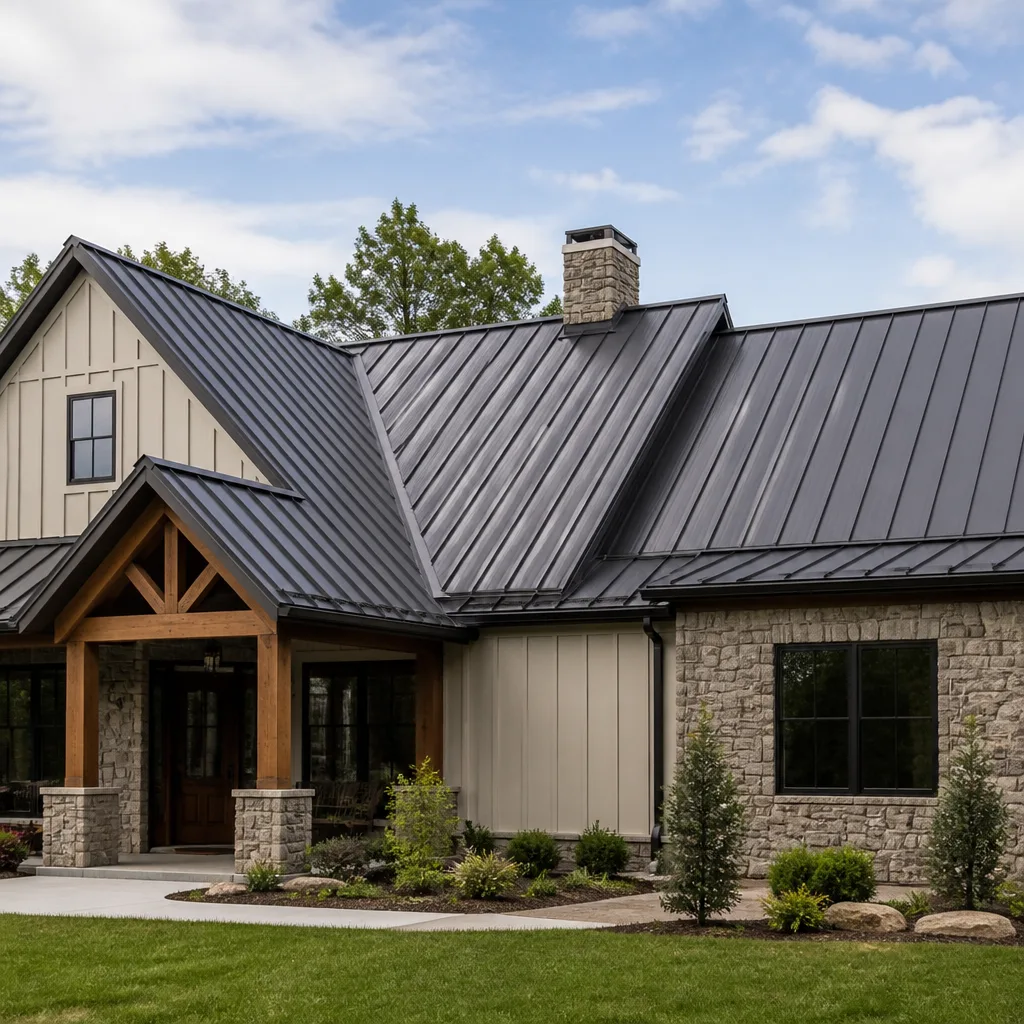 Metal roofing
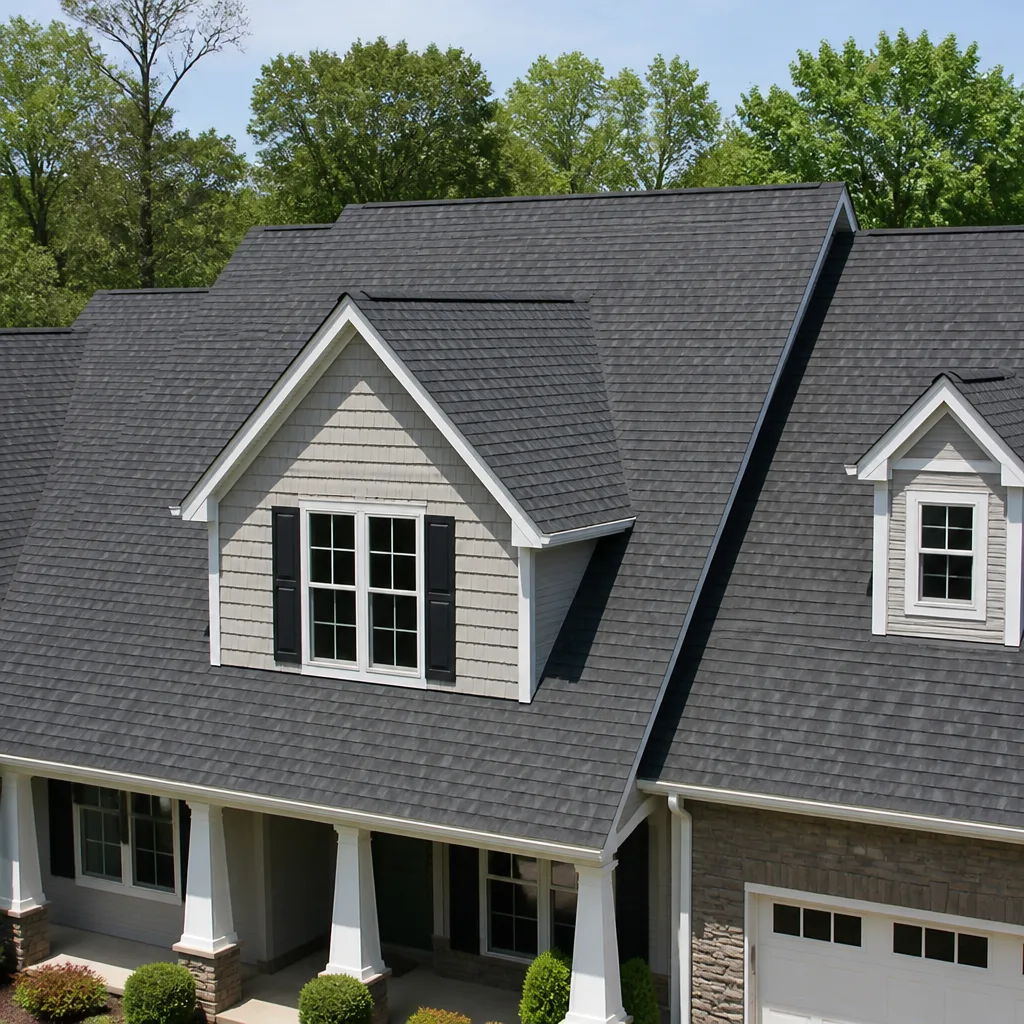 Architectural shingles
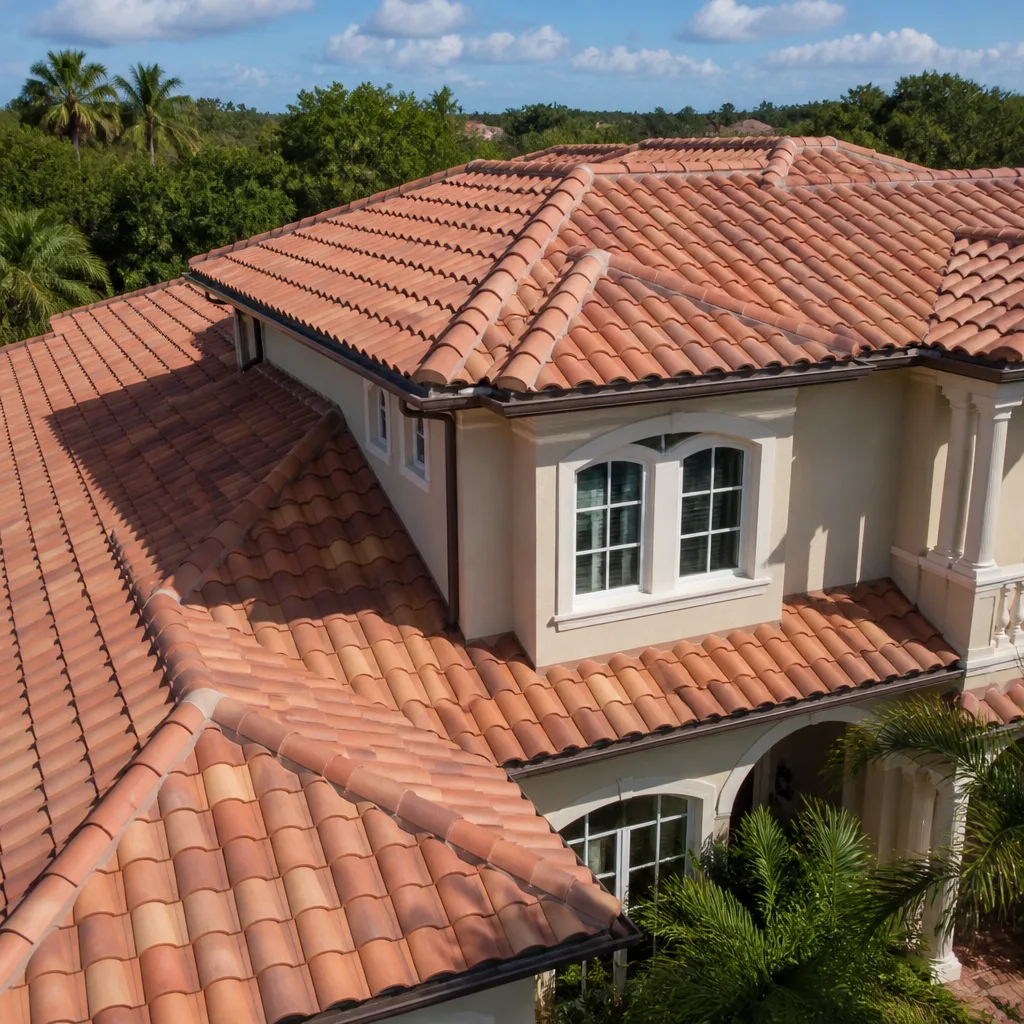 Tile roofing
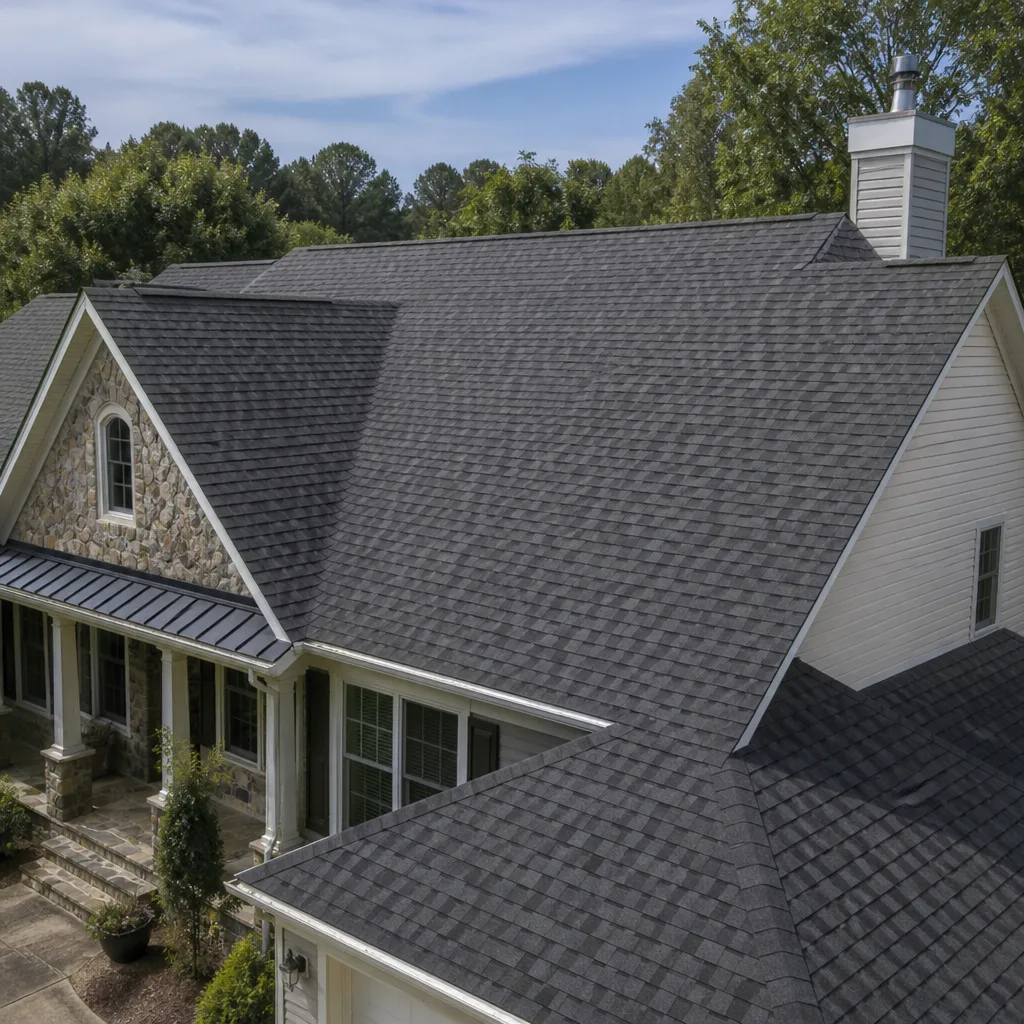 GAF
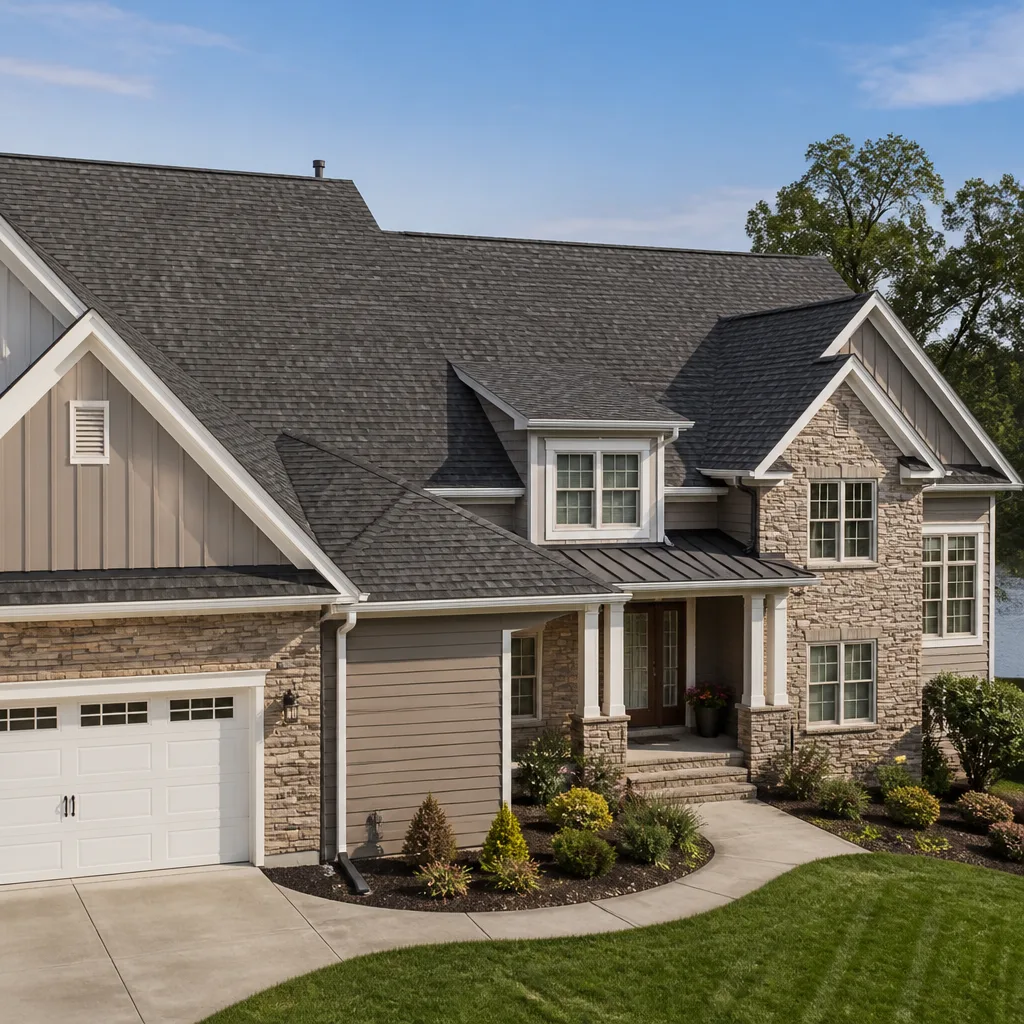 Owens Corning
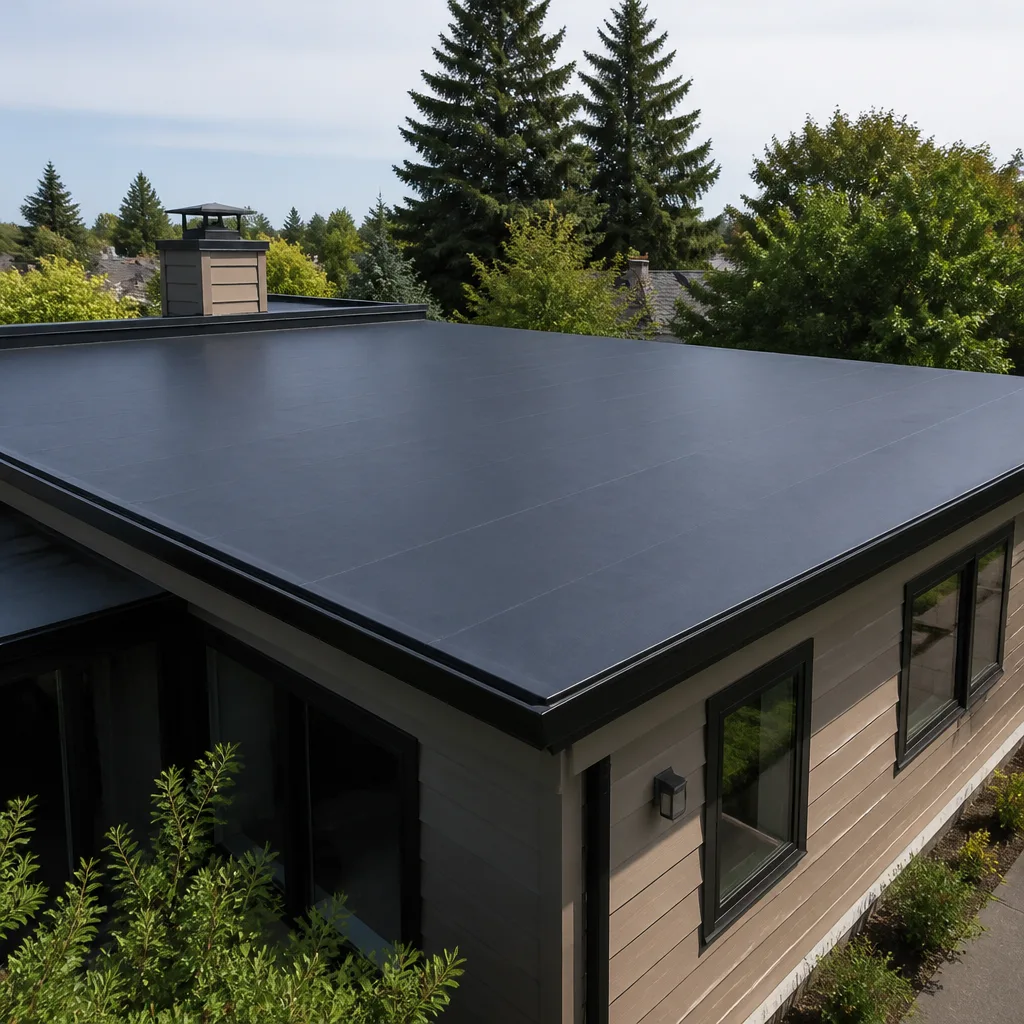 Flat & low-slope
Free roof inspection with deck photos before we talk money - GAF and Owens Corning certified installation
DIY vs Professional Roofing: The Corona Homeowner’s Decision Guide
A DIY shingle installation that saves $4,000 upfront can cost $12,000 in five years if thermal expansion failures are attributed to improper nailing patterns, which insurance adjusters are trained to identify. Corona’s climate punishes amateur work faster than almost anywhere in Southern California. This guide breaks down the real math of DIY versus professional roofing in Corona: what manufacturer warranties actually require, which repairs you can safely handle yourself, how Santa Ana winds expose bad nailing, and what your insurance policy says when your DIY work fails. For Roof Repair Troubleshooting: Common Problems and How to Fix Them, see our dedicated guide. You’ll leave with a decision framework, not a sales pitch.
Quick Answer
For most Corona homeowners, professional roofing is the financially safer choice because manufacturer warranties, insurance coverage, and long-term durability all depend on installation quality that DIY work rarely achieves. Small tasks like cleaning gutters, inspecting from the ground, and replacing a single accessible shingle are genuinely DIY-appropriate; check our Roof Repair Maintenance Checklist for Corona Homeowners for a full rundown. Anything involving underlayment, flashing, valleys, or more than a few shingles should be handled by a licensed pro, because the cost of redoing failed DIY work in Corona’s high-UV, high-wind environment typically exceeds the original savings.
Styles & brands we work with
Table of Contents
- The Real Cost of DIY Roofing in Corona: Math, Not Fear
- What Manufacturer Warranties Actually Require (and Why DIY Voids Them)
- Which Roofing Tasks Are Genuinely DIY-Appropriate in Corona
- Corona Code, Permits, and the Thresholds That Trigger Them
- Santa Ana Winds, Nail Patterns, and Why DIY Failures Surface in October
- Insurance Policy Language: The Workmanship Exclusion You Didn’t Read
- True Cost Comparison: Labor Savings vs. Warranty Value, Inspection Risk, and Redo Probability
- What a Professional Installation in Corona Actually Involves
The Real Cost of DIY Roofing in Corona: Math, Not Fear
The DIY roofing pitch usually goes like this: tear-off and re-roof a 2,000-square-foot home in Corona for $6,000 in materials instead of $14,000 for a professional job, and pocket the $8,000 difference. That math works, right up until it doesn’t. What the pitch omits is the probability-adjusted cost of failure, and in Corona’s climate, that probability is higher than the national average.
Here’s the math we see play out in Corona neighborhoods. A homeowner spends $4,000 to $6,000 on shingles, underlayment, nails, and rented equipment. The work takes three weekends. It looks decent from the ground. Two years later, a Santa Ana event lifts shingles along the rake edge because the nail placement was half an inch off. Water gets under the underlayment. The repair requires a full section tear-off, new decking in spots, and re-shingling: $3,000 to $5,000. Then the insurance adjuster arrives and notes the improper fastening pattern. The claim is denied under the workmanship exclusion. Total cost: $7,000 to $11,000, no warranty, no recourse, and a compromised roof that now needs continuous monitoring.
That’s not a scare story. It’s the sequence of events we’ve documented repeatedly in Corona, where UV exposure and wind cycling stress roofs in ways that don’t show up for months or years. The relevant question isn’t whether you can shingle a roof. It’s whether you can shingle a roof to the standard that survives Corona’s specific conditions and satisfies the requirements of the manufacturer whose product you’re installing. Those are two different standards.
For reference on what a full replacement involves and costs, see our Roof Replacement in Corona page.
What Manufacturer Warranties Actually Require (and Why DIY Voids Them)
Most homeowners never read the installation instructions that come with a bundle of shingles. Manufacturers like GAF, CertainTeed, and Owens Corning publish detailed technical specifications, and their warranty coverage is explicitly conditional on following them. If the installation doesn’t meet those specs, the warranty is void. Not reduced. Void.
What do those specs look like? They include nail type (typically galvanized or stainless, 11 or 12 gauge), nail length (long enough to penetrate through the decking by at least 3/4 inch), nail placement (within the designated nailing zone, usually 5/8 to 1 inch above the cutout), nail quantity (4 to 6 per shingle depending on the product and wind zone), nail angle (driven flush, not overdriven or underdriven), and nail pattern (straight, not angled through the shingle above).
Here’s what that means in practice for a DIY installer in Corona:
- Nail depth matters. Overdriven nails cut into the shingle, creating a tear point. Underdriven nails sit proud and abrade the shingle above. Both shorten shingle life and void warranty claims tied to wind damage.
- Nail pattern matters. Nailing outside the designated zone prevents the shingle from sealing properly and allows wind to work under the edge. After repeated Santa Ana cycles, those shingles lift and tear.
- Warranty claims get inspected. When you file a warranty claim for shingle failure, the manufacturer sends a rep who checks installation quality. If the nailing pattern is wrong, the claim is denied as an installation issue, not a product defect.
- Warranty transfer requires proof. If you sell your Corona home and want to transfer the shingle warranty, you need documentation of professional installation. No receipt from a licensed contractor means no transferable warranty.
Professional contractors are bound by the same specs, but they’re also accountable when they don’t meet them. A homeowner who DIYs is accountable to the manufacturer as well, and the manufacturer has a team of inspectors trained to find installation defects. The asymmetry is real: you’re competing against a standard you don’t know exists, enforced by experts whose job is to find violations.
Which Roofing Tasks Are Genuinely DIY-Appropriate in Corona
The honest answer is that some roofing tasks are fine for a capable homeowner to handle in Corona. The line isn’t between DIY and professional, it’s between low-risk maintenance and high-risk structural work. Here’s our breakdown based on what we’ve seen work and fail in Corona.
DIY-Appropriate Tasks:
- Ground-level inspection after storms. Walking your yard and visually scanning for missing shingles, lifted edges, or granule buildup at downspout exits is smart. Use binoculars for a closer look. This costs nothing and catches problems early.
- Gutter cleaning and downspout clearing. Corona’s eucalyptus and palm debris clogs gutters fast. Clearing them every 8 to 12 weeks during fall prevents water backing up under the eave line. Just use a sturdy ladder and avoid leaning it against gutters.
- Debris removal from the roof surface. If a branch or palm frond lands on your roof, removing it before it traps moisture against shingles is a reasonable DIY task, assuming you can access it safely.
- Single shingle replacement in an accessible location. If you have an exposed shingle on a low-slope section of roof with safe ladder access, and you can match the shingle and follow the manufacturer’s nailing spec, this is doable. It’s the upper edge of DIY-appropriate work.
Not DIY-Appropriate Tasks:
- Anything involving underlayment. Underlayment is the waterproofing layer. If it’s torn, deteriorated, or improperly lapped, the shingle layer above is cosmetic. Replacing underlayment means removing shingles, which means you’ve crossed into full project territory.
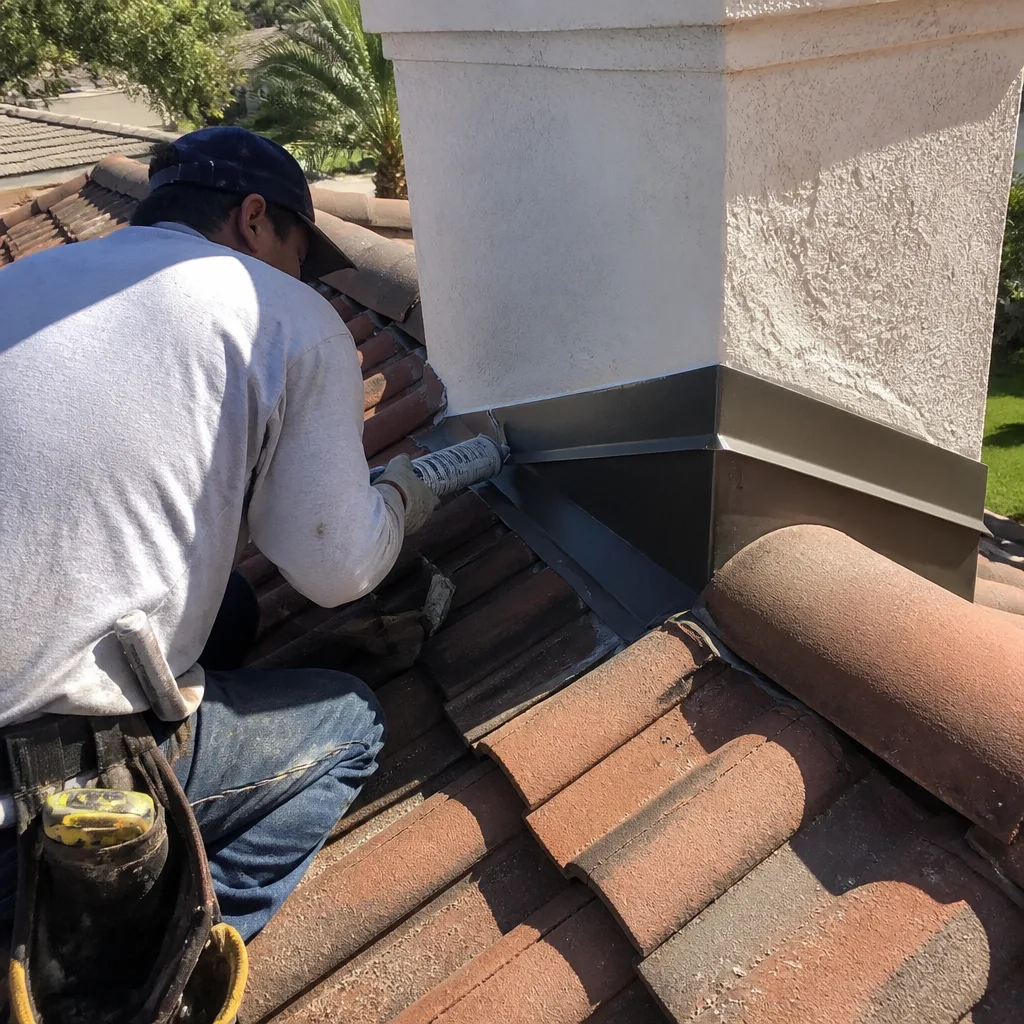
- Flashing work. Flashing around chimneys, vents, skylights, and wall intersections is where most roof leaks originate. Improperly sealed flashing fails slowly and causes hidden decking rot. This is the single most common DIY failure we get called to fix in Corona.
- Valley work. Roof valleys channel more water than any other part of the roof. Getting the weave, underlayment, and shingle alignment wrong in a valley creates a leak path that’s invisible until the ceiling stains appear.
- Any work on roofs steeper than 6:12 pitch. If you need roof brackets or a harness, the risk isn’t worth the savings. Falls from roofs are the leading cause of construction-related fatalities in the U.S., and a DIY roof fall carries no workers’ compensation coverage.
- Structural repairs. Sagging ridge lines, cracked rafters, rotted decking: these are structural issues that trigger code requirements and require an engineer’s assessment in some cases.
The practical rule we tell Corona homeowners: if the repair touches the underlayment, flashing, or structure, hire a roofing contractor in Corona who does this daily. If it’s surface-level and accessible, and you’re confident on a ladder, direct DIY is reasonable.
Corona Code, Permits, and the Thresholds That Trigger Them
Corona sits in Riverside County, which enforces its own building code with California Energy Code (Title 24) overlay requirements. What triggers a permit in Corona is different from what homeowners assume, and the thresholds are lower than most people think.
Here’s what you need to know:
- Replacing more than a small patch requires a permit. In Corona, replacing one or two shingles doesn’t trigger anything. Replacing an entire roof section or the full roof does. The threshold in practice is often “if you’re removing the roofing material down to the decking, you need a permit.”
- Title 24 cool roof requirements apply to new roofs and reroofs. Corona’s climate zone requires either cool roof-rated shingles or added insulation when reroofing above a certain square footage. This is not optional, and it’s not something a DIY job at the big box store accounts for.
- Permit work requires final inspection. A permitted roof job in Corona gets inspected at completion. The inspector checks nailing patterns, underlayment laps, flashing, and ventilation. A homeowner who reroofs without a permit takes on that liability indefinitely. When they sell the house, the unpermitted work shows up in disclosure.
- Working without a permit carries penalties. Riverside County assesses fines for unpermitted structural work, and the remedy includes paying double permit fees plus the cost of submitting the work for after-the-fact inspection.
Professional contractors in Corona handle permits as a standard part of the job. We include permit fees in our estimates, schedule inspections ourselves, and close out the permit when the work passes. A homeowner doing their own work handles all of that themselves, often discovering the permit requirement only after a neighbor calls code enforcement about the dumpster in the driveway.
If you’re considering a repair rather than a full replacement, our Roof Repair in Corona page covers the scope of work that typically requires a permit versus what doesn’t.
Santa Ana Winds, Nail Patterns, and Why DIY Failures Surface in October
Corona gets hit by Santa Ana winds every fall, typically from late September through November. These winds come from the northeast, funnelled through the Santa Ana River canyon and the Cajon Pass. Gusts routinely reach 40 to 60 mph in exposed Corona neighborhoods, and the dry, hot air carries a high UV load that accelerates shingle aging.
Here’s the sequence that exposes DIY roofing work every autumn in Corona:
- Thermal cycling weakens shingle seals. Corona’s summer temperatures push 110 degrees on roof surfaces. Shingles expand, then contract at night. Over months, the thermal movement weakens the sealant strip where the shingle bonds to the shingle below.
- Santa Ana winds find the weak points. When the first strong wind event arrives in October, shingles with inadequate fastening or wiped-out sealant strips lift first. The wind gets under the edge and pries upward.
- Improper nail patterns create the failure point. If nails were driven outside the designated nailing zone, the shingle has no mechanical resistance to uplift. It peels back like a page in a book, exposing underlayment and decking.
- Water follows wind. The Santa Ana event itself is dry, but the damage it does to the roof surface creates openings. The next rain event, which in Corona often arrives in December or January, finds those openings and leaks into the attic.
Professional roofers in Corona install shingles with the nailing pattern specified for the wind zone. The manufacturer’s wind warranty rating, typically 110 mph or 130 mph depending on the shingle line, is conditional on that inspection. A homeowner who nails “in the general area” has installed shingles that might survive a mild year but will fail the first time the wind gets underneath them. We see the surge in repair calls every October, and the pattern repeats annually.
Insurance Policy Language: The Workmanship Exclusion You Didn’t Read
Homeowners insurance in California covers sudden and accidental damage: a tree falls on your roof, a storm rips shingles off, a fire damages the structure. It does not cover damage caused by improper installation, inadequate maintenance, or deterioration over time. That’s the workmanship exclusion, and it’s written into virtually every homeowner policy in Corona.
The relevant policy language usually reads something close to: “We do not insure for loss caused by faulty, inadequate, or defective workmanship, repair, construction, or materials.”
What that means for a DIY roof in Corona:
- If your DIY shingle work fails and water damages the interior, the claim can be denied. The adjuster’s report identifies the installation defect, the claim is filed under the workmanship exclusion, and you’re left paying for the roof repair, the interior repair, and any mold remediation out of pocket.
- Insurance companies train adjusters to identify installation defects. Nail patterns, missing starter strips, improper underlayment laps, and overlapped shingle patterns are all things adjusters look for when they inspect a damaged roof. They’re trained to distinguish wind damage (covered) from installation failure (excluded).
- DIY work creates a permanent record. If you file a claim and it’s denied for workmanship defects, that denial stays on your CLUE report (Comprehensive Loss Underwriting Exchange). Future claims face higher scrutiny, and future insurers may ask about prior roof work.
- Professional installation shifts the liability. If a licensed contractor installs your roof and it fails due to workmanship, the contractor’s liability insurance is the first line of defense. You have legal recourse. With DIY work, you are the contractor, the insurer, and the adjuster.
The insurance angle is the quiet killer in the DIY calculation. Most homeowners think they’re risking a redo if the work fails. The actual risk is a denied insurance claim on water damage that can run $10,000 to $40,000 depending on what got wet. That single variable changes the entire cost equation.
True Cost Comparison: Labor Savings vs. Warranty Value, Inspection Risk, and Redo Probability
Let’s put the full cost picture side by side for a typical 2,000-square-foot Corona home with a moderately pitched roof. These are ranges based on 2025 Corona market rates and average redo probabilities from industry data.
| Cost Factor | DIY Roof Replacement | Professional Roof Replacement |
|---|---|---|
| Materials (shingles, underlayment, fasteners, flashing) | $4,000 – $6,000 | Included in bid ($7,000 – $9,000) |
| Labor | $0 (your time: 60-100 hours) | $5,000 – $7,000 |
| Permit and inspection | $300 – $600 (if obtained) | Included in bid |
| Manufacturer warranty | Void if installation specs not met | Valid (20-50 years depending on product) |
| Workmanship warranty | None | Typically 5-10 years from contractor |
| Insurance risk exposure | $10,000 – $40,000 (denied claims) | Minimal (contractor liability covers defects) |
| Redo probability within 5 years | 25-40% (industry estimate for untrained installs in high-wind zones) | 2-5% |
| Resale value impact | Unpermitted work must be disclosed; can reduce offers | Documented permit and warranty boost home value |
The numbers tell a clear story. The upfront savings of DIY, typically $6,000 to $8,000, is real. But it sits against a 25% to 40% probability of redoing the work within five years in Corona’s climate. Expected value math: if the redo costs $8,000 and has a 30% probability, the expected DIY redo cost alone is $2,400. Add the denied insurance claim risk, the voided manufacturer warranty, and the resale disclosure burden, and the true expected cost of DIY is within a few thousand dollars of professional work, with none of the protections.
That’s before accounting for the time. A competent DIY crew of two working weekends takes 8 to 12 weeks to re-roof a typical Corona home. A professional crew does it in 3 to 5 days. Your time has value, and the opportunity cost of those weekends is rarely counted in the DIY pitch.
What a Professional Installation in Corona Actually Involves
If you’ve never watched a professional roofing crew work, the sequence is instructive. Here’s what we do on a typical Corona replacement, and what each step protects against:
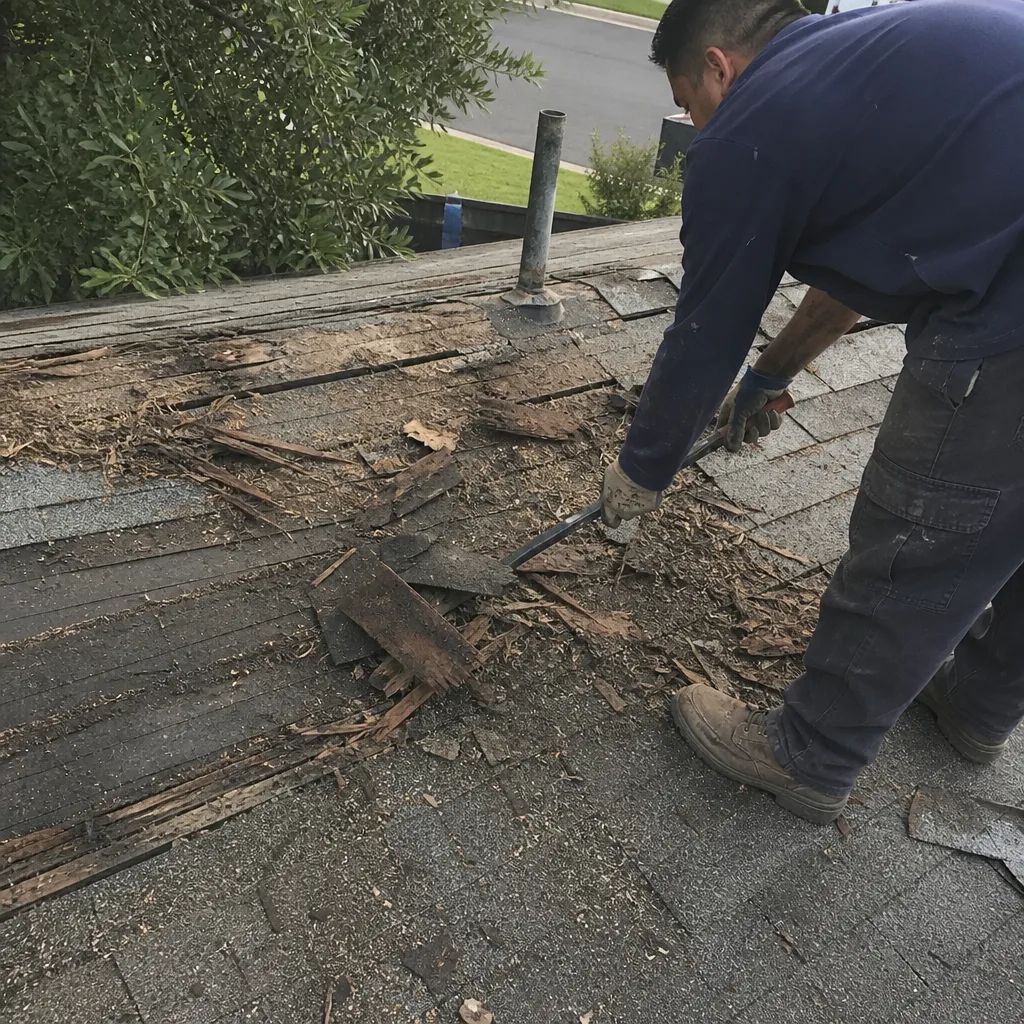
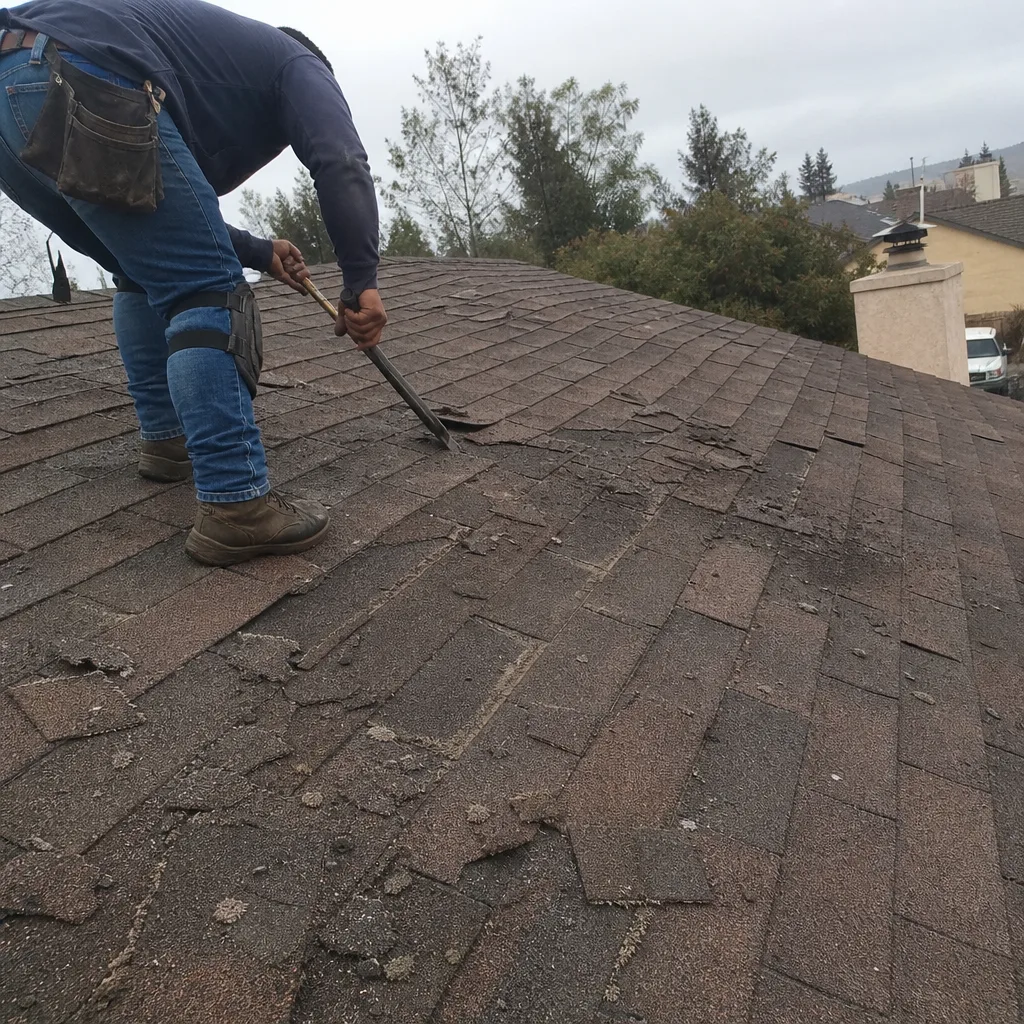
- Tear-off and deck inspection. We remove the existing roofing material and inspect the decking beneath. Rotted or water-damaged decking gets replaced before underlayment goes down. A DIY project often skips this step, which means new shingles over compromised wood.
- Underlayment installation. We install synthetic underlayment or felt with proper laps and fastening. This is the waterproofing layer that protects the home during the period between tear-off and shingle installation. A single rain event on exposed decking can compromise the entire interior.
- Drip edge and flashing. We install drip edge along eaves and rakes, and flashing at every penetration: chimneys, vents, skylights, vent pipes. This is where amateur work fails most frequently because flashing details are custom-fit, not stock.
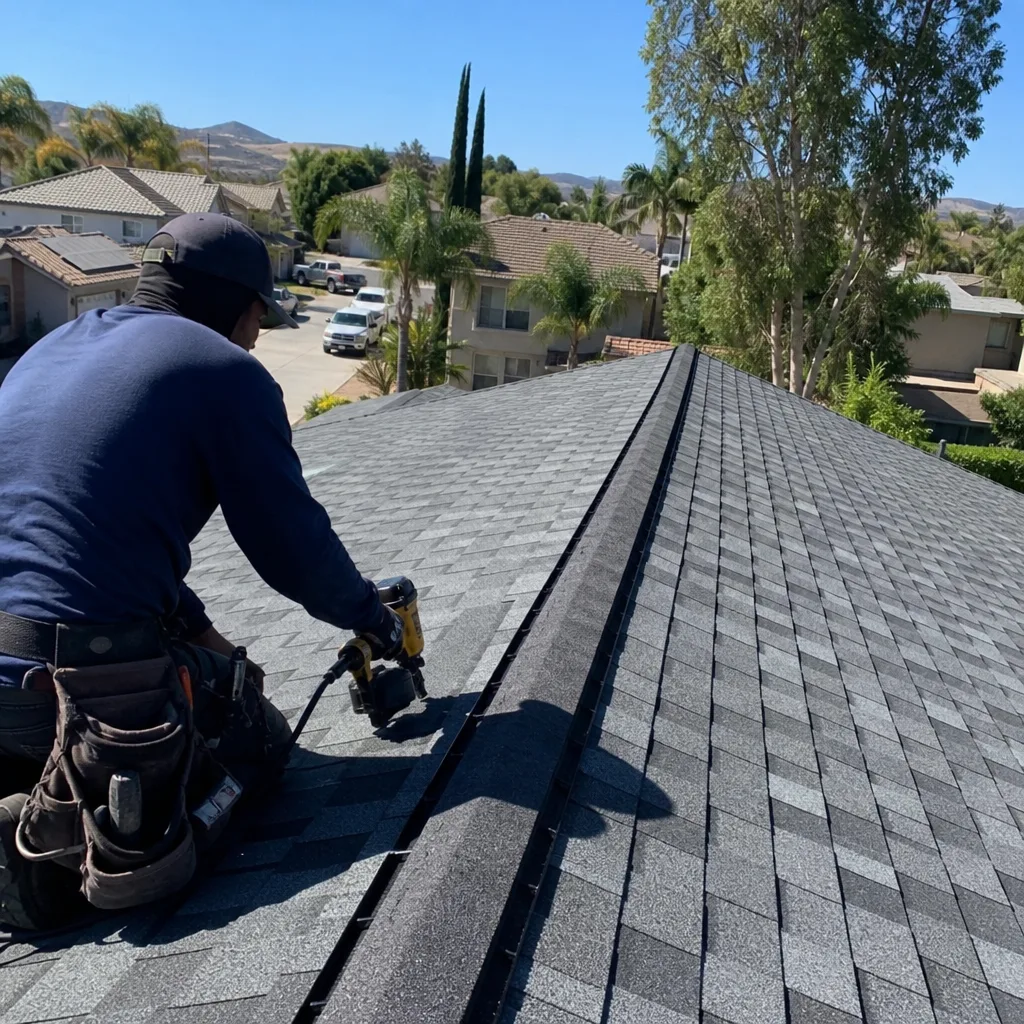
- Starter course and shingle installation. We run a starter strip along the eave line, then install shingles in the manufacturer’s specified pattern with the correct nail count, placement, and depth. We check the nailing as we go because a single overdriven nail compromises the shingle’s wind rating.
- Ventilation check. Corona’s heat makes attic ventilation critical for shingle longevity. We verify that intake and exhaust ventilation are balanced. An overheated attic bakes shingles from below and shortens their service life by years.
- Inspection and cleanup. We schedule the city inspection, walk the job with the inspector, and close out the permit when the work passes. Then we magnet-sweep the property for nails and debris.
Our Roof Inspection in Corona service covers standalone inspections for homeowners who want a professional assessment without committing to a repair. It’s the same diagnostic process we run before every replacement, available separately.
Common Mistakes to Avoid
- Buying shingles without checking the manufacturer’s wind rating for Corona’s zone. Not all shingles are rated for the Santa Ana wind loads in Corona’s exposed areas. Installing a 60 mph-rated product in a 110 mph wind zone voids the warranty and invites failure.
- Nailing without a pattern reference. Roofers carry the manufacturer’s spec sheet with the nailing zone diagram. Homeowners often nail from memory and miss the zone entirely. Print the spec, keep it on the roof, and check every course.
- Reusing old flashing. Pulling off shingles and reusing the old chimney or vent flashing saves $50 and guarantees leaks within two seasons. Flashing gets replaced with the roof, every time.
- Skipping the permit. Unpermitted reroofing in Corona creates a resale liability and a code enforcement risk that far outweighs the $300 to $600 permit fee. The permit also gets you an independent inspection, which is free quality control.
- Installing over existing shingles. The “layover” saves tear-off labor but adds weight, traps heat, and makes it impossible to inspect decking. Most Corona homes can’t support a second layer, and California code restricts overlays to one existing layer maximum.
- Ignoring Title 24 cool roof requirements. Corona homes reroofed without cool roof-rated materials can fail the energy portion of the permit inspection, requiring either shingle replacement or added insulation to bring the home into compliance.
See the difference
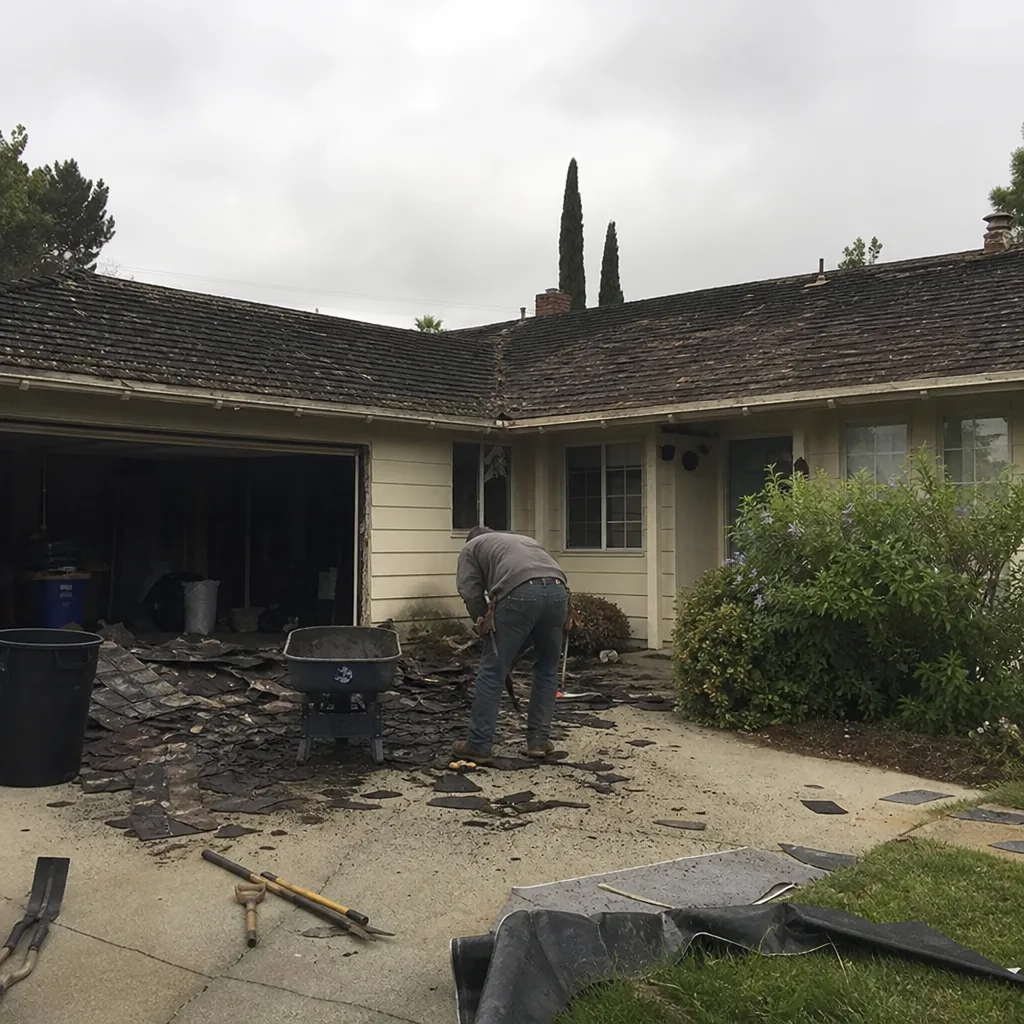 Before
 After
 Before
 After
 Before
 After
When to Call a Professional
Call a professional if your roof shows any of these signs: shingles lifting at the edges after wind events, granule loss exposing fiberglass mat, water stains on ceilings or walls, daylight visible from the attic, flashing that’s rusted or separating from the structure, or any sagging along the ridge line. If the work will touch underlayment, flashing, valleys, or structural decking, the decision is made: a professional is required, not optional. If you’re selling your Corona home, a professional inspection documents the roof’s condition for buyers and removes a negotiation point. Orange County Roofing Co offers free estimates in Corona, call (866) 942-4187.
Frequently Asked Questions
A DIY roof replacement on a 2,000-square-foot Corona home typically runs $4,000 to $6,000 in materials versus $12,000 to $16,000 for a professional job, but the expected cost of redoing failed DIY work in Corona’s climate narrows that gap to within a few thousand dollars. The upfront savings is real, but it doesn’t account for voided warranties, denied insurance claims, or unpermitted work disclosures when you sell. Call (866) 942-4187 for a written estimate on professional replacement.
No, homeowners insurance policies contain a workmanship exclusion that denies coverage for damage caused by faulty or inadequate installation, which includes DIY work that doesn’t meet manufacturer specifications. Insurance adjusters are trained to identify improper nail patterns, missing starter strips, and other installation defects, so a DIY failure that leads to water damage often results in a denied claim. A professional installation shifts that liability to the contractor’s insurance.
The most common DIY mistakes we see in Corona are overdriven nails that tear through shingles, nails placed outside the manufacturer’s designated nailing zone, flashing that’s reused instead of replaced, and shingles installed without a starter course along the eave line. These failures typically surface during the first Santa Ana wind event in October, when improperly fastened shingles lift and tear. Each one is identifiable by a trained inspector.
If your shingle warranty is still active and you perform work that changes the installation, the manufacturer can void the warranty on the affected section, even if the original installation was professional. If you’re in warranty, the safer path is to have the work done by an authorized contractor, like Orange County Roofing Co, so the warranty stays intact. If the roof is out of warranty and you’re confident in the manufacturer’s nailing spec, a single accessible shingle is a reasonable DIY task.
Yes, full roof replacements and work that involves removing roofing material down to the decking require a permit in Corona, along with a final inspection that verifies nailing patterns, underlayment laps, flashing, and Title 24 cool roof compliance. Minor repairs of one to two shingles don’t require a permit. Working without a required permit creates a code enforcement and resale disclosure problem that persists until the work is remediated.
Santa Ana winds exploit the exact installation weaknesses that amateur work introduces: nails outside the nailing zone, overdriven fasteners, and inadequate sealant strip contact. A professionally installed roof with correct nailing patterns and wind-rated materials withstands the same gusts without damage. The performance difference isn’t luck, it’s adherence to the manufacturer’s wind specifications, which are the same requirements the warranty is conditional on.
The Bottom Line
The DIY versus professional roofing decision in Corona comes down to one question: are you willing to accept a 25% to 40% chance of paying for the roof twice? The upfront savings of DIY is real, but Corona’s high-UV, high-wind climate accelerates every installation mistake into visible failure, usually within two to five years. Manufacturer warranties only cover you if the installation meets exact specifications. Insurance only covers you if the damage isn’t caused by your own workmanship. Professional roofing costs more today and protects you from all of those outcomes. For Corona homeowners weighing the decision, the math points in one direction. Explore more guides & resources to keep your roof in top shape. If you want a free, no-pressure estimate for any roofing work in Corona, call (866) 942-4187. We install materials from GAF, CertainTeed, Tamko, and Boral, among others, so the recommendation is based on what your home needs, not what we’re pushing.
Written by the team at Orange County Roofing Co, serving Corona since 2015.