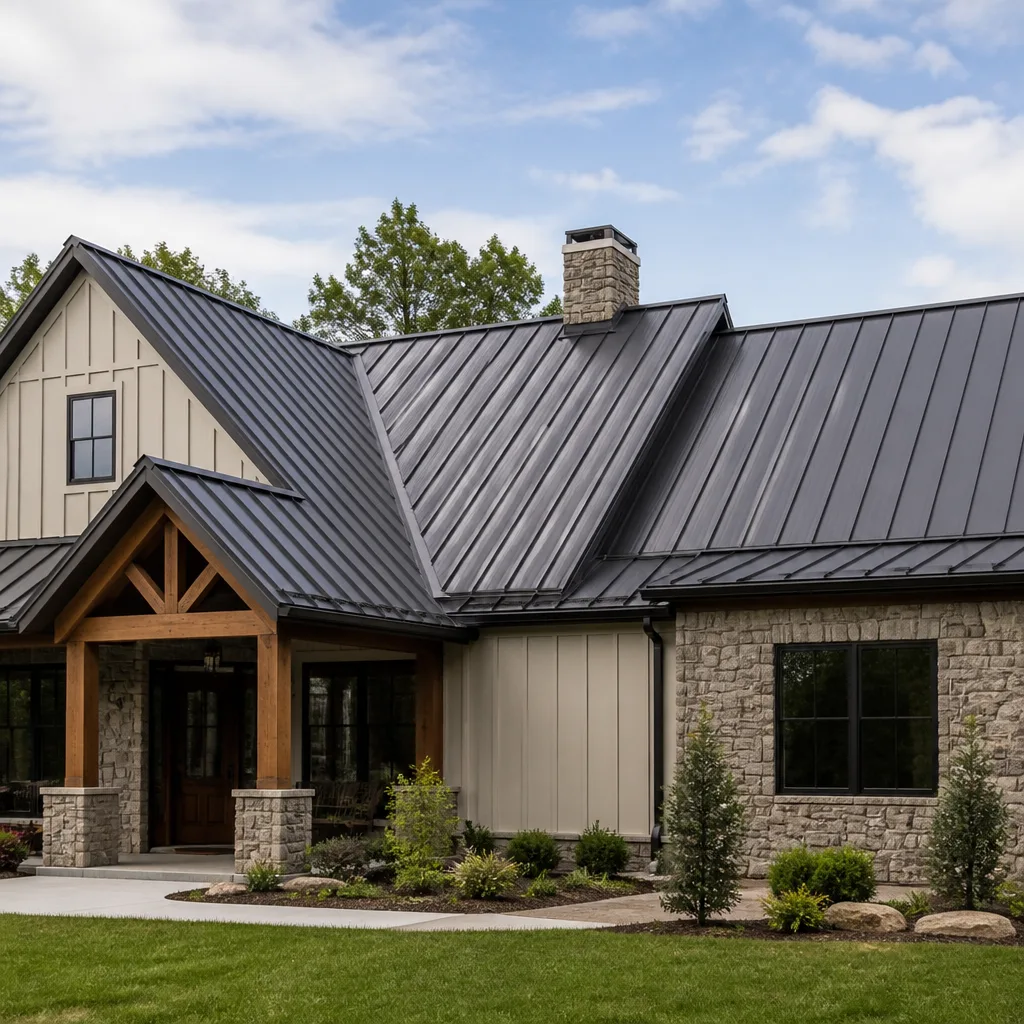
 Metal roofing
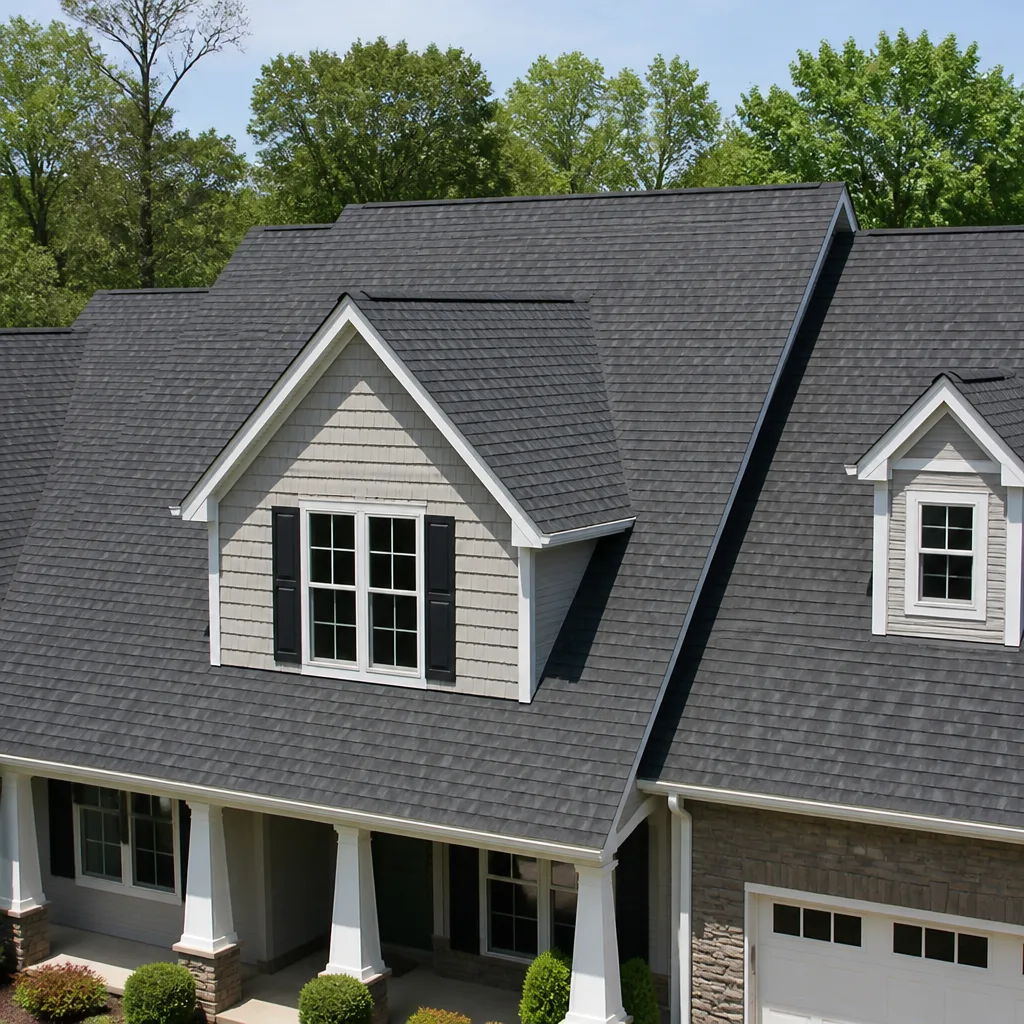 Architectural shingles
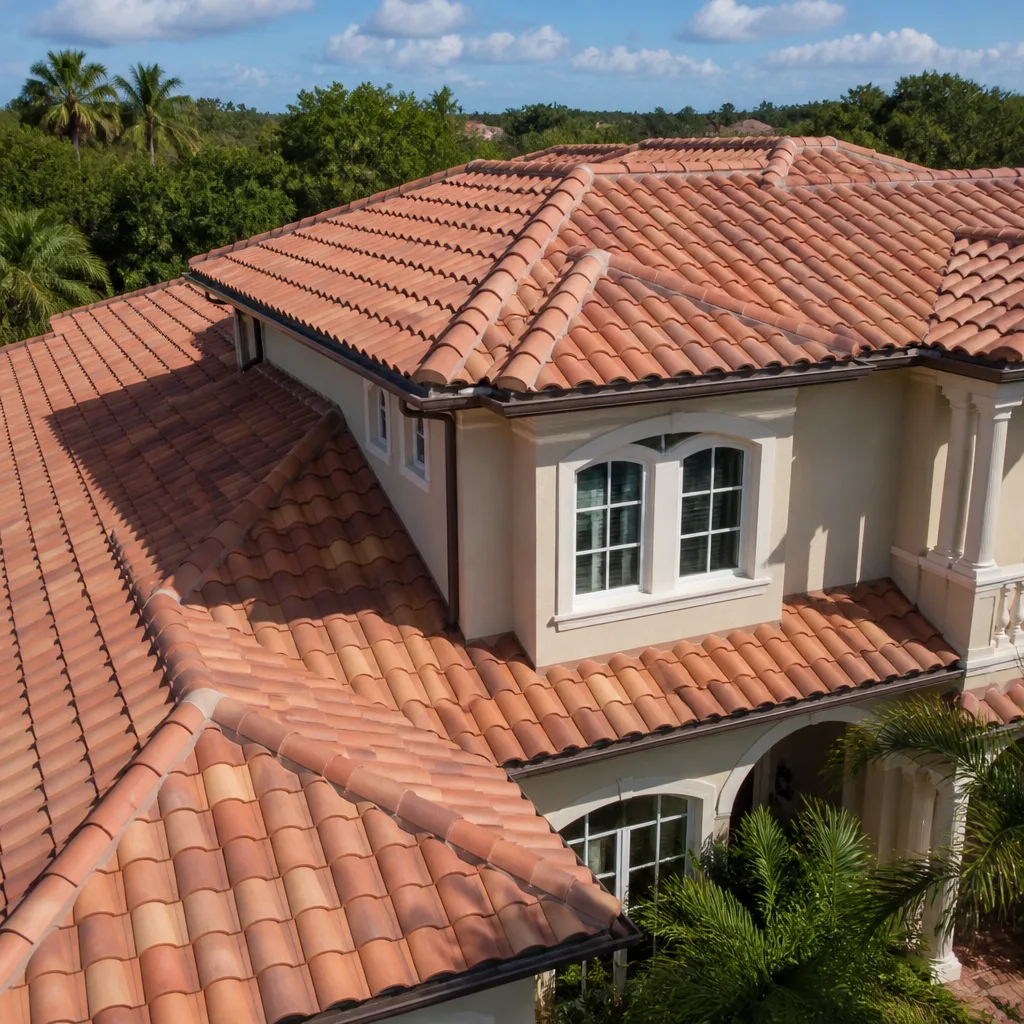 Tile roofing
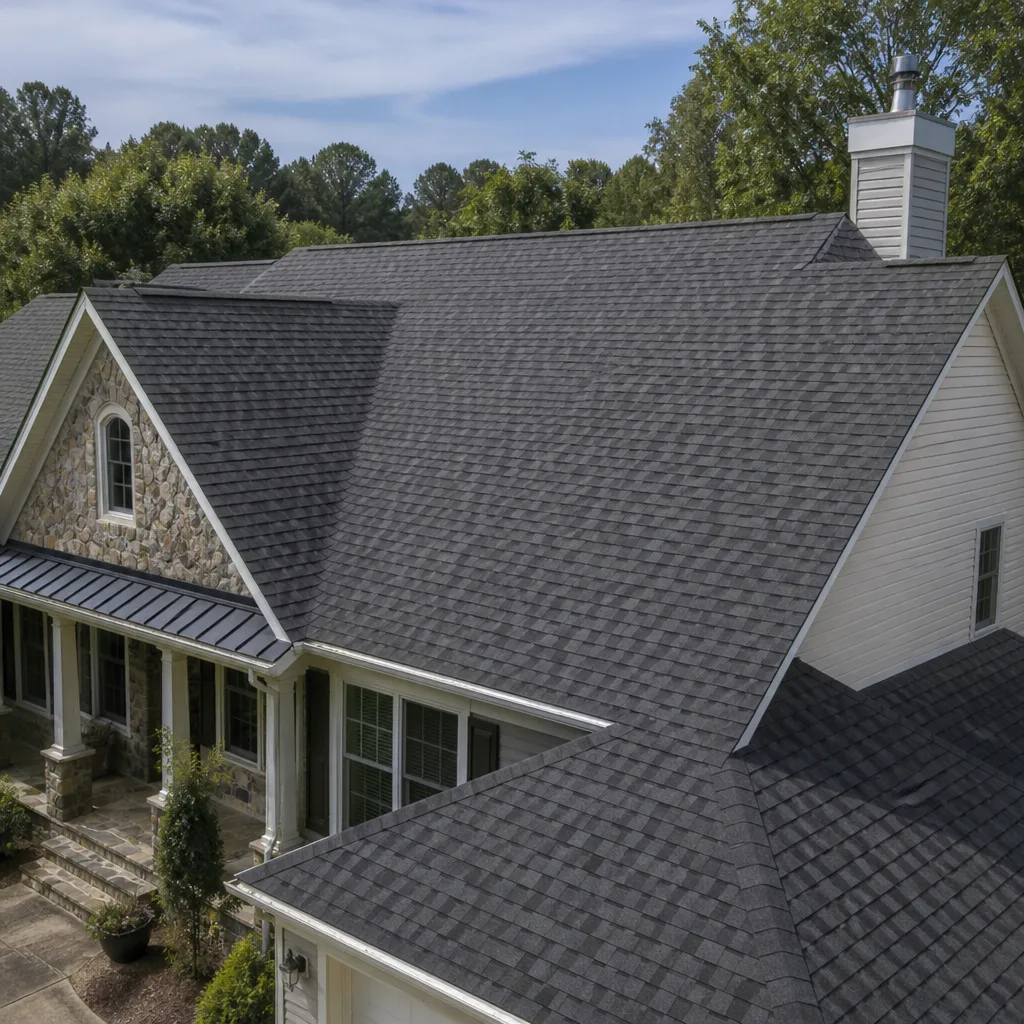 GAF
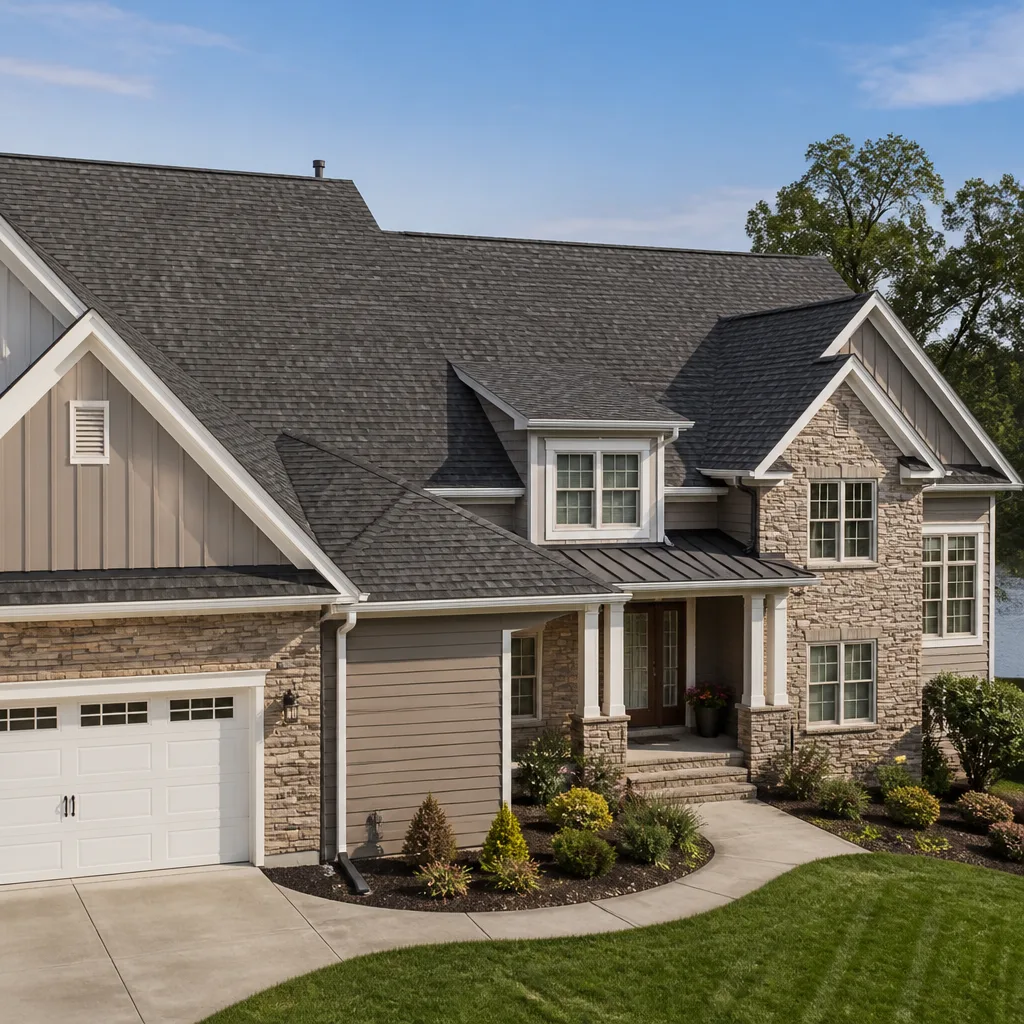 Owens Corning
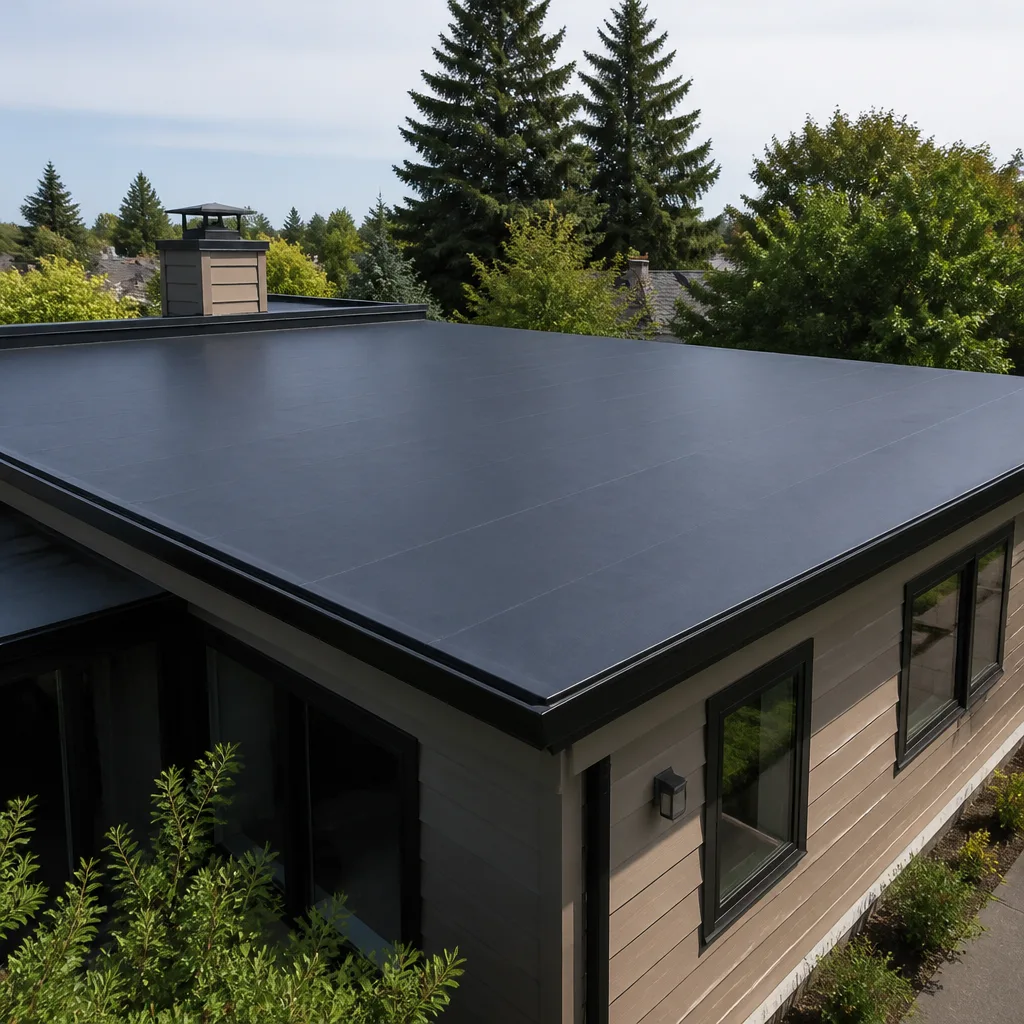 Flat & low-slope
Free roof inspection with deck photos before we talk money - GAF and Owens Corning certified installation
Fast, Reliable Roof Repair Across Corona
Roof repair in Corona usually costs between $350 and $1,800 depending on what failed, and most smaller fixes can be handled same-week once we’ve looked at the damage. Corona throws three different weather patterns at your roof depending on which side of the city you live on, so the first thing we do is figure out what your home actually faces before touching anything. We know the canyon winds off the Santa Ana River, the heat baking the south tract neighborhoods, and the older ranch homes near the 15. Call (866) 942-4187 and we’ll send someone out to give you a straight answer, not a sales pitch.
Why Orange County Roofing Co Is Corona’s Preferred Roof Repair Company
Kurt Hensley built this company around a simple idea: stock enough brands that we never have to oversell one. That matters in Corona, where a 1960s ranch home near Main Street needs something completely different from a 2005 tile roof in the south subdivisions. We carry GAF, CertainTeed, Owens Corning, IKO, Atlas, Tamko, and Boral, so when we tell you a certain underlayment or shingle makes sense for your house, it’s because it actually does, not because it’s the only thing on our truck.
Our crews know the specific ways Corona roofs fail. We’ve lifted hundreds of concrete tile planes in the south tract neighborhoods where the original underlayment gave out long before the tile did. We’ve reset flashing on steep canyon custom homes where the wind drives rain sideways. And we’ve patched plenty of low-slope built-up roofs in the older core where 100-degree summers have cooked the sealants. We explain what we found, what it costs, and what can wait. No pressure.
We also offer inspections as a standalone service. If you’re buying or selling in Corona, or just want to know what you’re working with before the next Santa Ana season, we’ll walk the roof and give you an honest condition report. No replacement pitch attached.
Styles & brands we work with
Storm Damage Roof Repair in Corona
Storm Damage Roof Repair in Corona is mostly about Santa Ana wind damage and the occasional winter rain event that exposes failed flashing. High gusts through the Santa Ana River Canyon lift shingles and crack concrete tile, especially on the eastern and northern edges of the city where the wind comes through hardest. When we get called out after a storm, we check for lifted or missing shingles, cracked or shifted tile, compromised flashing at valleys and penetrations, and wet underlayment. A typical storm repair in Corona runs $400 to $1,600 depending on how many planes got hit and whether the underlayment was already failing before the wind arrived.
Wind-Lifted Shingles and Tiles
After a Santa Ana event, we see the same pattern again and again: shingles on the windward slopes curled back, tile edges cracked where wind got under them, and ridge caps out of place. The fix involves resecuring or replacing the damaged pieces and checking that the fasteners held. If we find the original install used too few nails or the wrong tile clips, we’ll tell you, because the same wind will come back next year.
Water Intrusion After Rain
Winter rain in Corona does not usually last long, but it does not need to. A single downpour can push water through a worn pipe boot or a failed valley and leave you with a stained ceiling. We trace the water path from the interior stain back up to the roof plane, replace the compromised flashing or boot, and check the surrounding underlayment for rot or mold before sealing everything back up.
Metal Roof Repair in Corona
Metal Roof Repair in Corona covers everything from standing-seam panels on canyon custom homes to metal flashing and drip edge on shingle and tile roofs. Corrugated metal and standing-seam roofs do a good job withstanding heat, but they have weak points: exposed fasteners that back out over time, panel seams that open under thermal expansion, and flashing details that fail at the transition points. Corona’s temperature swings, over 40 degrees between a January night and an August afternoon, make metal expand and contract constantly. That movement is what eventually loosens fasteners and breaks sealant bonds. A standard metal roof repair in Corona typically costs $500 to $2,200 depending on panel length, fastener replacement count, and whether we need to fabricate custom flashing.
Fastener and Seam Repair
Older metal roofs, especially corrugated panels from the 1990s and earlier, used exposed fasteners with rubber washers. The washers dry out fast in Corona’s UV and heat. We remove the failed fasteners, inspect the holes for elongation, replace with oversized fasteners where needed, and rebed everything in a sealant rated for high-UV exposure. Seam repair involves cleaning the joint, removing failed sealant, and applying a new bead that can handle the thermal movement Corona puts on metal.
Flashing and Transition Leaks
Most metal roof leaks in Corona are not in the panels themselves. They are at the transitions: where a chimney comes through, where a wall meets the roof, where a valley converges. We cut out the old flashing, inspect the substrate underneath, and install new pre-finished flashing matched to your panel profile. When we work on a high-end metal roof with a specialty finish, we order the matching material first and fix the price in writing before anything gets cut, so there are no surprises on the invoice.
Trusted Brands We Service in Corona
Because we are material-agnostic, we repair roofs built from all seven major brands we carry. For Corona homeowners with GAF shingles, we match the exact shingle color and line when replacing storm-damaged sections. Atlas and Tamko systems come with their own underlayment and flashing specifications, and we follow them so the manufacturer’s warranty stays intact. Boral tile, common on the higher-end south Corona tract homes, requires matching tile profiles and the right clips. We keep local stock of common parts for Corona jobs and can usually source specialty items within days, so a repair does not drag on waiting for the wrong material to show up.
See the difference
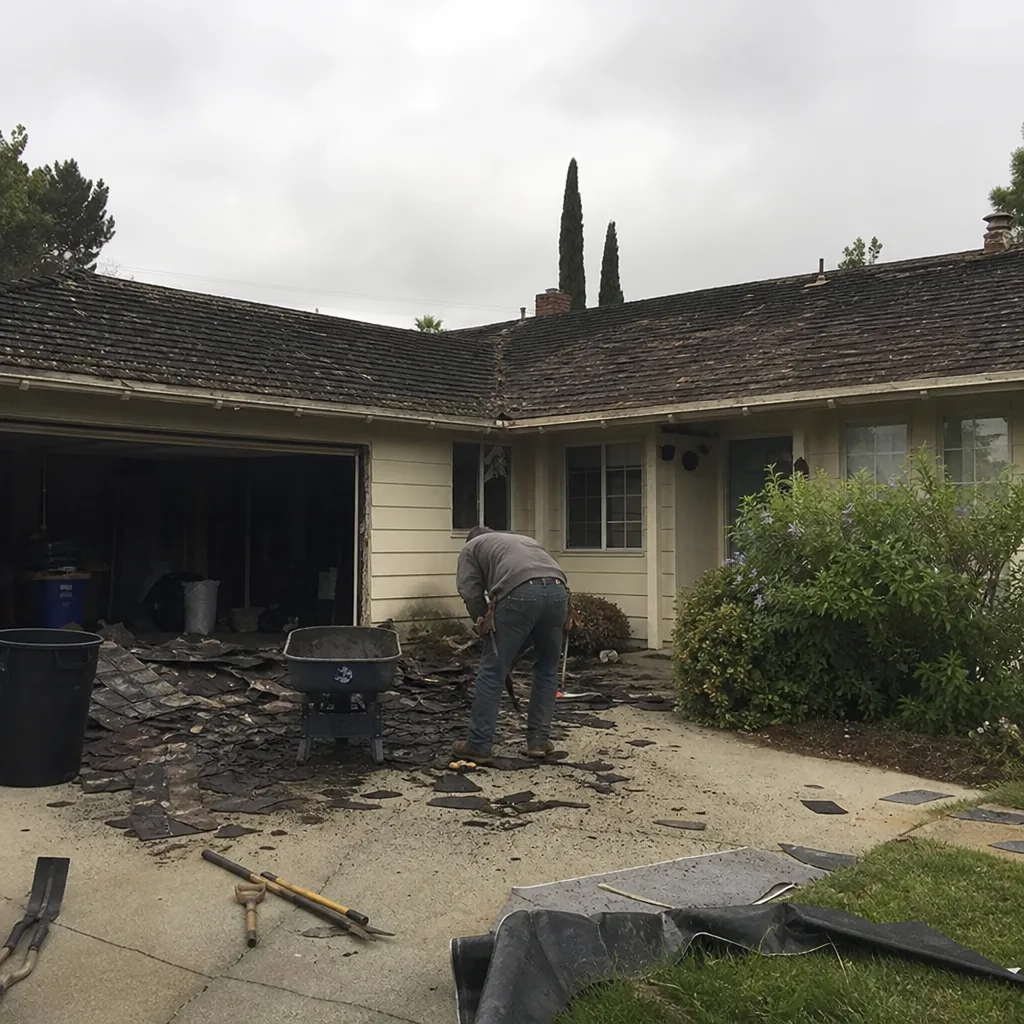 Before
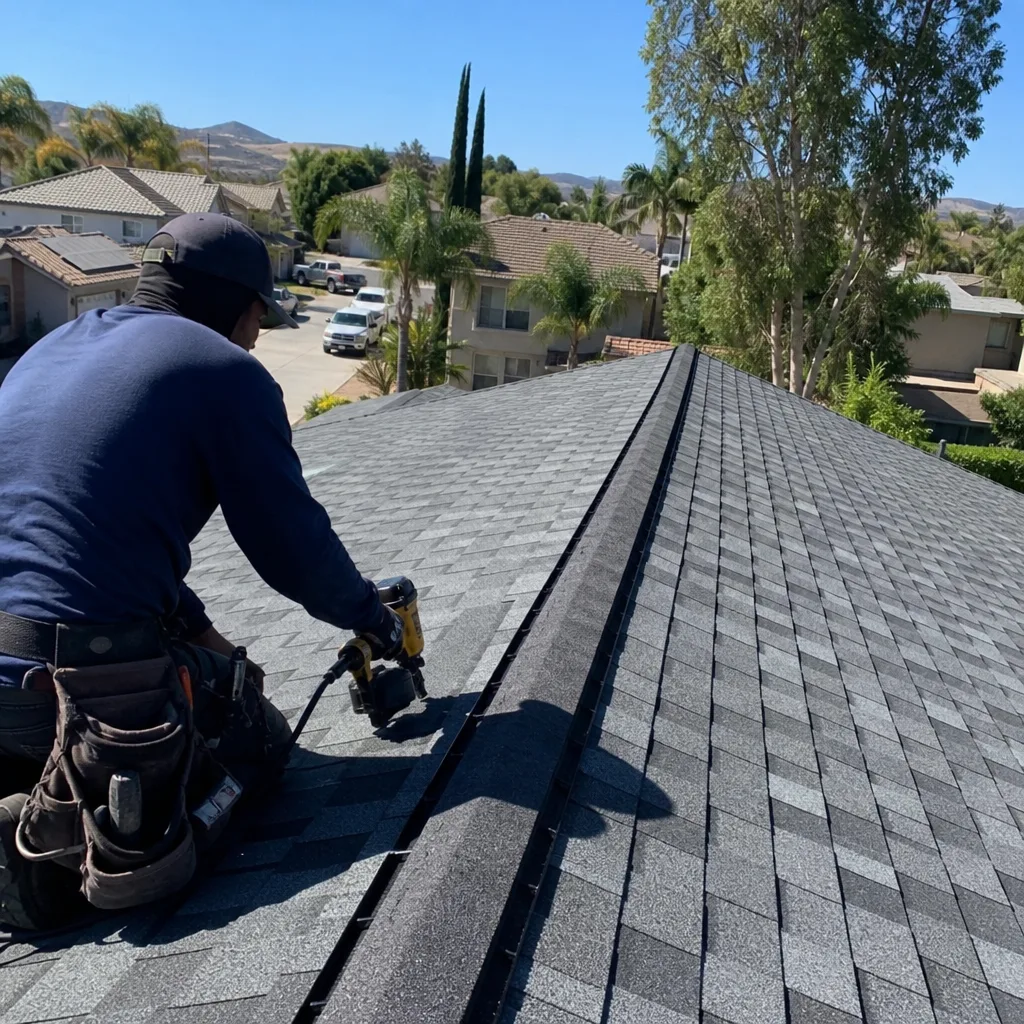 After
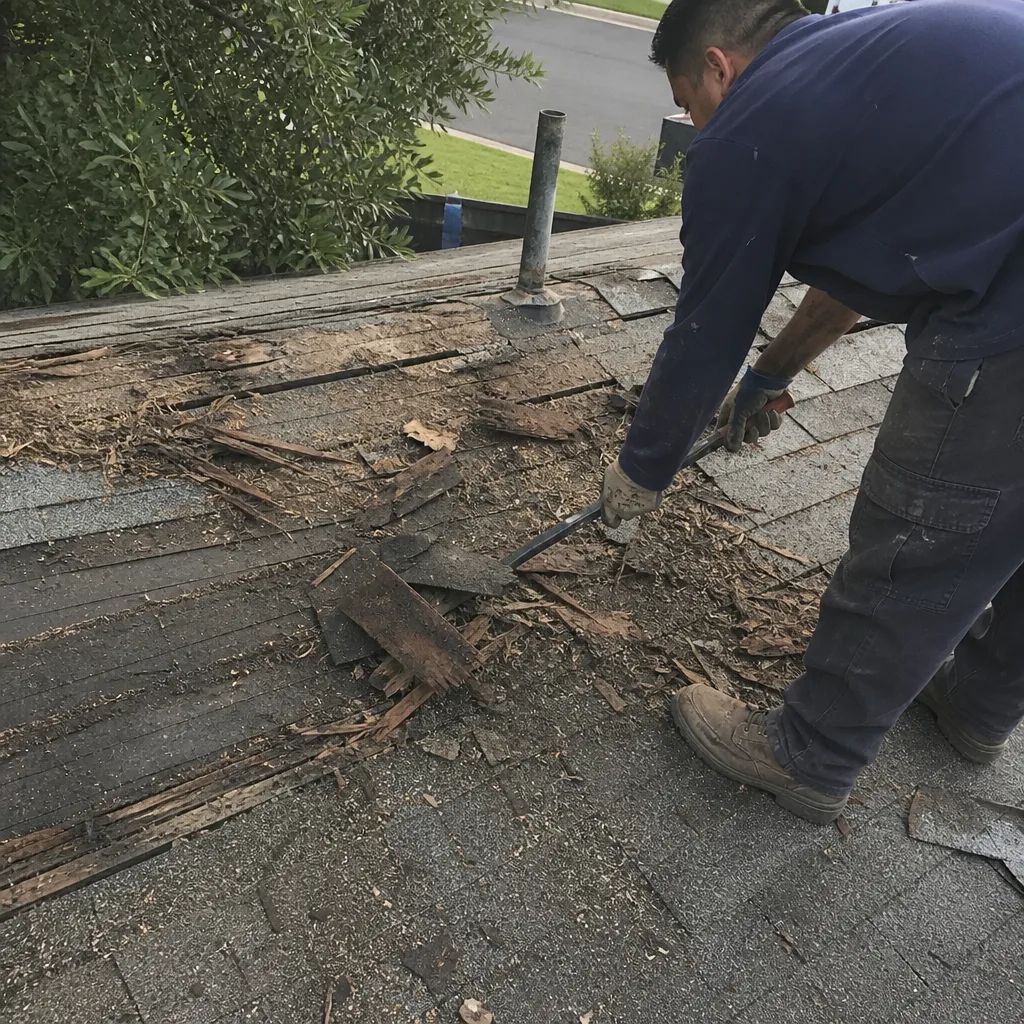 Before
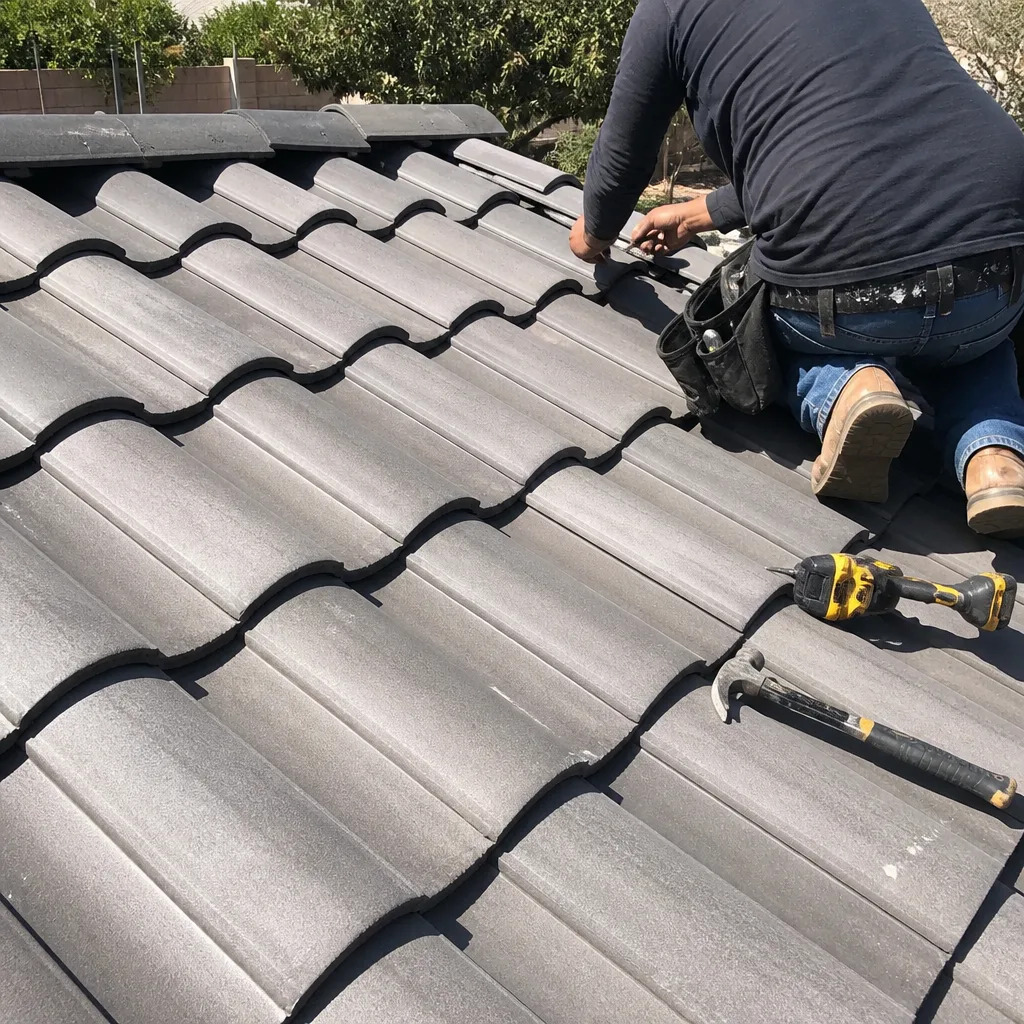 After
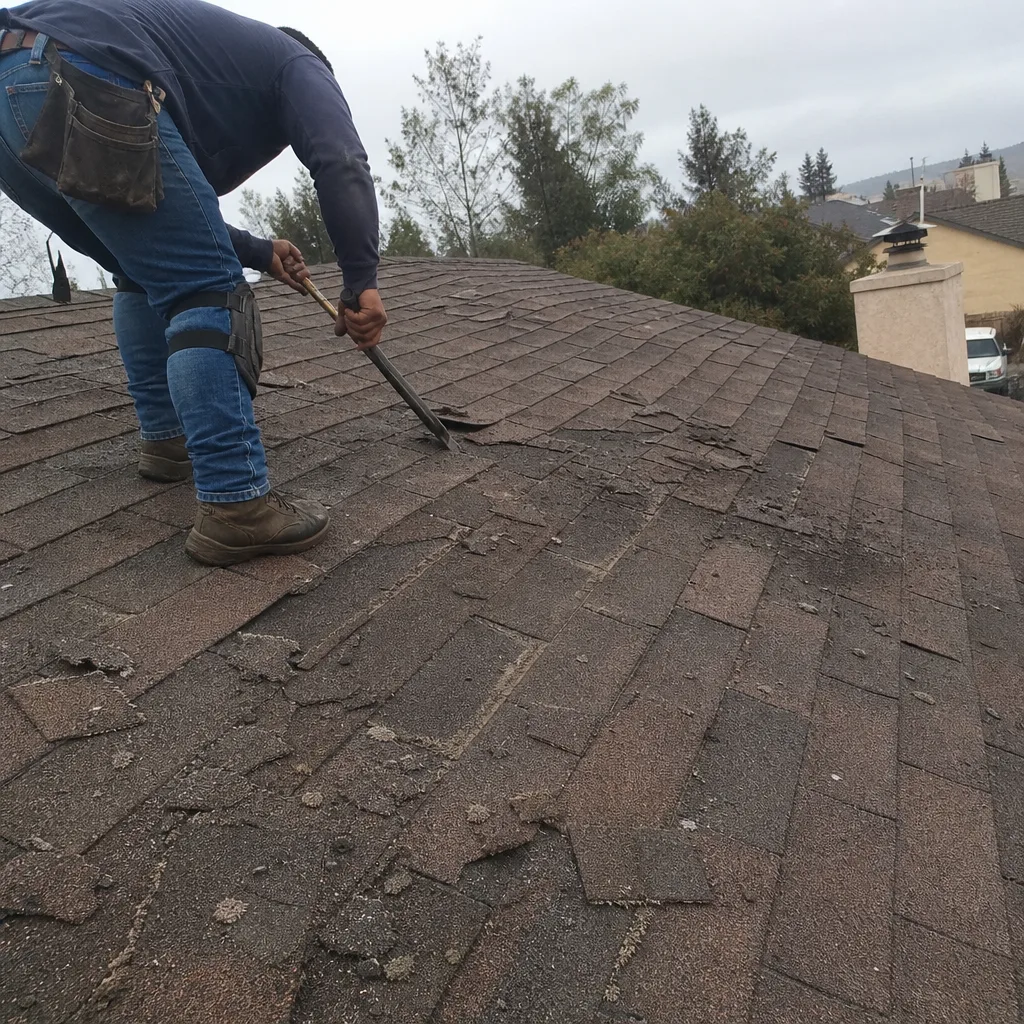 Before
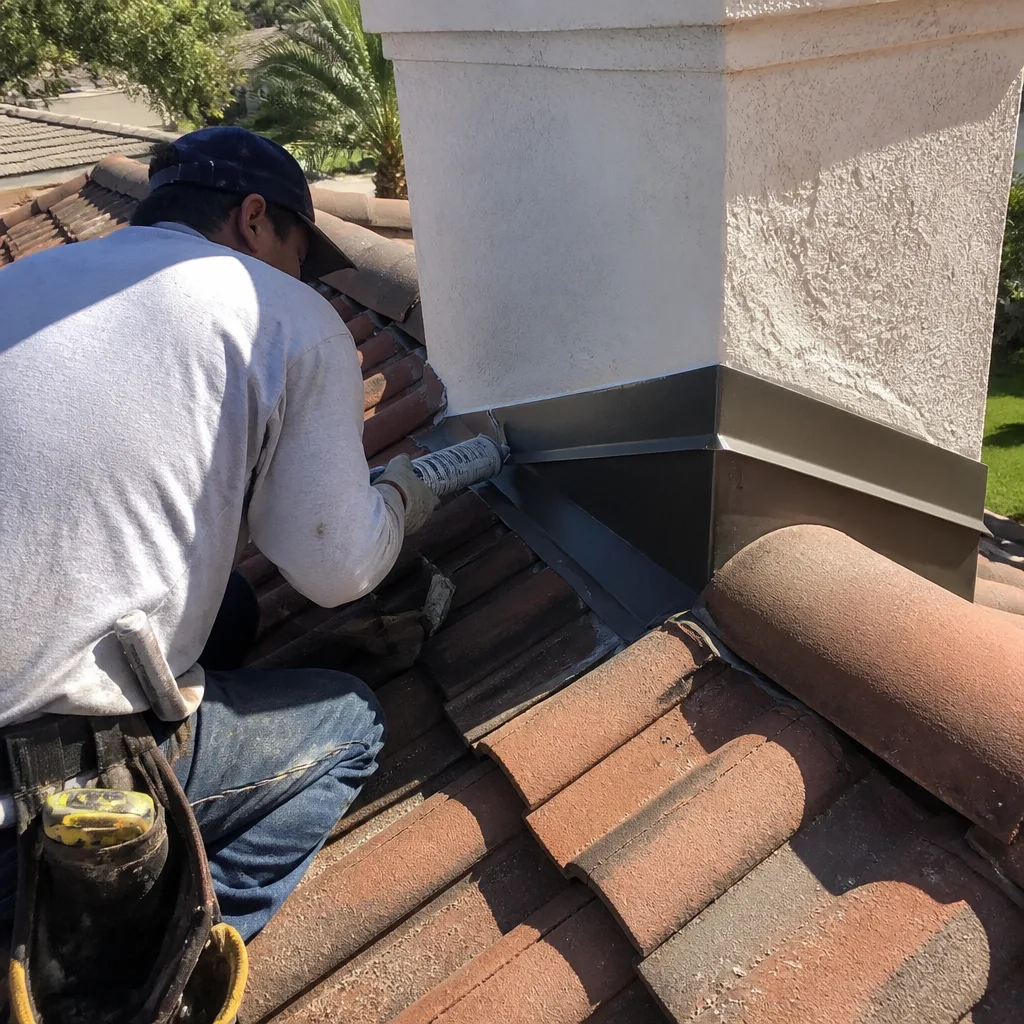 After
Common Roof Repair Problems We See in Corona Homes
- Failed underlayment under 2000s-era concrete tile in south Corona. The tile looks fine from the curb, but the felt beneath has disintegrated. We see this regularly in the subdivisions south of Ontario Avenue, where builders used lighter underlayment that was never meant to last 25 years under Corona’s heat. The repair means lifting the tile, replacing the underlayment, and resetting the same tile.
- Wind damage on canyon-edge homes near the Santa Ana River. Homes along Green River Road and the surrounding canyon neighborhoods take direct hits from winter gusts. We see cracked tile corners, lifted ridge caps, and shingles pulled loose on the windward planes, especially on homes built into the hillside with steep, complex roof lines.
- UV-degraded sealants on older ranch homes near central Corona. The 1950s and 60s homes around downtown Corona, many near the 91 and 15 interchange, have low-slope or mild-pitch roofs with sealants that bake hard in the summer heat. Pipe boots crack, drip edge pulls away, and valleys open up. A spot repair without addressing the surrounding sealant just creates a new leak down the line.
- Valley flashing failures after winter rain. Valleys are where water concentrates, and when a Corona roof has complex geometry, the valleys are the first thing to go. We trace leaks in canyon custom homes back to a valley detail that was never flashed correctly or has opened up over time. Fixing it right often means removing the surrounding shingles or tile and rebuilding the valley from the deck up.
Pricing for Roof Repair in Corona, CA
Here are honest numbers for the Corona market. A basic shingle replacement on a single slope runs $350 to $700. Flashing repair around a chimney or skylight typically falls between $400 and $900. Valley repair, which usually involves removing and replacing shingles or tile along the valley line, runs $600 to $1,500. Flat roof patches on low-slope built-up roofs start around $500 and can climb past $1,800 if the underlying substrate is rotted. Full underlayment replacement under concrete tile, common in south Corona, runs $2,800 to $6,000 per plane depending on size and access. These are line-item ranges, not guesses. When we come out for a free estimate, we give you a written quote with each item broken out so you know exactly what you are paying for. Call (866) 942-4187 to schedule yours.
We Also Serve Cities Near Corona
Our Roof Repair team covers Corona and the surrounding communities, including Home Gardens, El Cerrito Corona, Eastvale, and Norco. If you live just outside the city line, you are still in our service area and we treat your roof the same way we treat every job in Corona: with a straight diagnosis, honest pricing, and materials matched to what your house actually faces. Not a generic patch job.
Serving Corona, CA — Our Local Coverage Area
We’re based in the Corona area and know this community well. Use the map below to see our service coverage — if you’re nearby, we can almost certainly help.
FAQs About Roof Repair in Corona
Because the underlayment beneath the tile has failed while the tile itself has decades of life left. We see this throughout the south Corona tract neighborhoods built in the late 1990s and 2000s. The original felt or synthetic underlayment baked under 100-degree summers and UV exposure until it cracked and let water through, even though the concrete tile on top looks perfect from the curb. The repair is not a patch. It is lifting the tile, pulling the old underlayment, installing ice and water shield at the eaves and valleys, laying new underlayment across the whole plane, and resetting the original tile. It costs more than a spot repair, but patching the visible damage just moves the leak. Call (866) 942-4187 and we’ll tell you honestly whether your roof needs this or not.
They change the failure we expect and the material we spec. On the east side near the Santa Ana River Canyon, wind is the main enemy, so we check fasteners, tile clips, and ridge cap adhesion before anything else and recommend upgrades rated for high wind. The south side, with its intense inland heat, degrades asphalt shingles and dries out sealants fast, so we lean toward UV-stable flashing compounds and thicker underlayment. The west side, where marine influence cools things down, sees fewer wind events but more moisture, so we focus on proper sealing at penetrations and valleys. A Corona roof sits at the junction of those three regimes, which is why a one-size-fits-all repair fails fast here. Call us for an assessment that accounts for which zone your house is actually in.
Because the lead time on designer-grade tile, specialty metal, or custom flashing is what actually drives the schedule, and we do not want you paying for a price we guessed at months ago. We were called to a canyon-area custom home in Corona with complex, steep-pitch roof lines after a winter rain event pushed water past a valley. The failure traced back to aging flashing and underlayment under a specialty tile finish, not the tile itself. Because the owner wanted the repair to match the original designer-grade finish, we fixed the price in writing before ordering, then coordinated the long-lead replacement tile and finish around the architect’s schedule. Our crew lifted the affected runs, replaced the ice and water shield and flashing, and reset the finish so the repair met the same tier as the rest of the roof. That is how we work on high-end projects: price locked, materials ordered, schedule set around lead times, not labor.
Ask three questions. First, what exactly failed and what is the repair plan, not just the price, because a $500 patch on failed underlayment is a waste of money. Second, will the materials match what is already on your roof, because mismatched tile or shingle colors on a visible slope will bother you forever. Third, does the quote include flashing, underlayment, and fasteners, or just the surface material, because the surface is rarely the actual problem. Any contractor who cannot answer those three clearly should not be on your roof. Call (866) 942-4187 and we will walk you through our whole quote line by line so you can compare it fairly against any other Corona roofer.
Yes, and we do it regularly. Metal roofs on canyon homes along Green River Road and similar areas take direct wind hits that loosen fasteners, open standing-seam joints, and break flashing at roof transitions. We replace failed fasteners with one size up where the holes have elongated, re-crush or re-seal seam joints, and fabricate new flashing to match the existing panel profile. Metal roofs handle heat well, which is why they are common in the canyons, but wind-driven vibration is their weakness. A canyon metal roof repair in Corona typically runs $500 to $2,200 depending on how much of the panel system was compromised. Call (866) 942-4187 for a free estimate and we will assess the wind damage in person.
Written by Kurt Hensley, Owner at Orange County Roofing Co, serving Corona since day one.