Last updated October 31, 2026
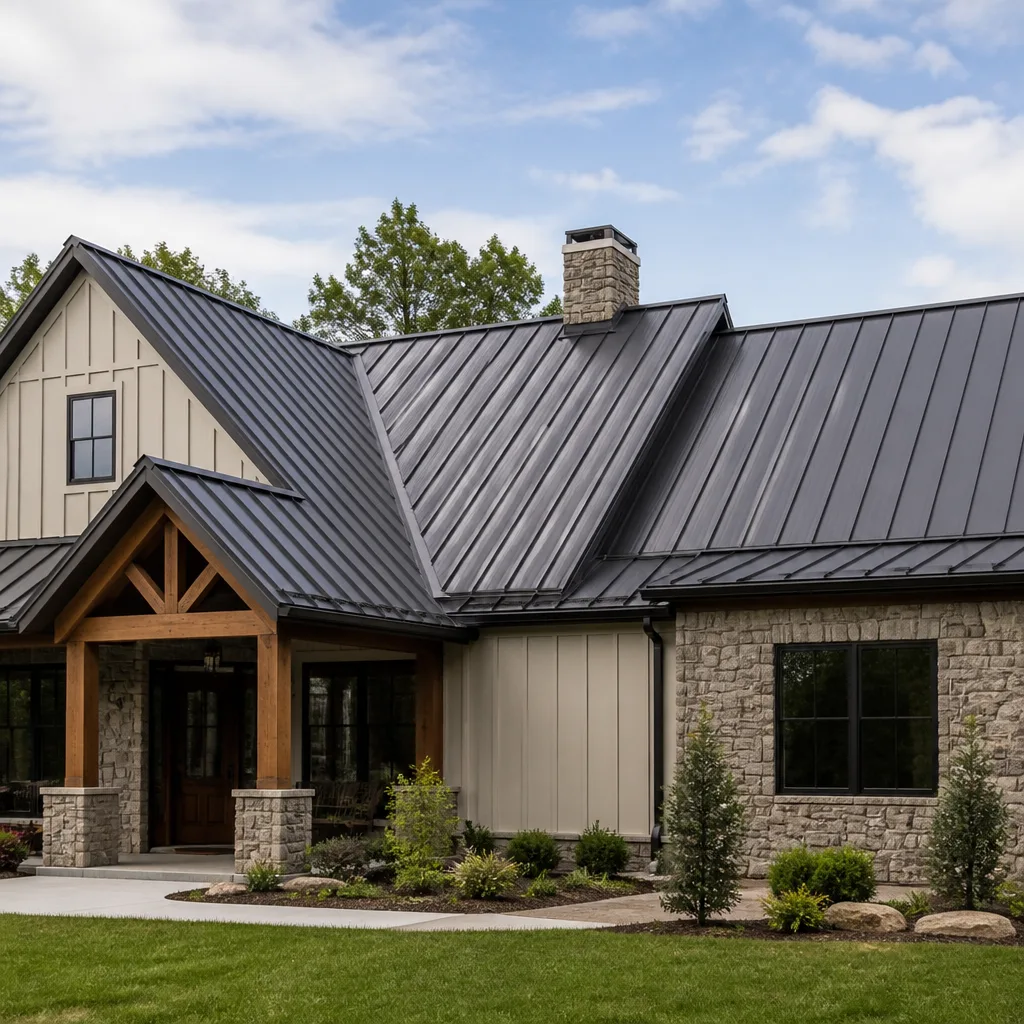 Metal roofing
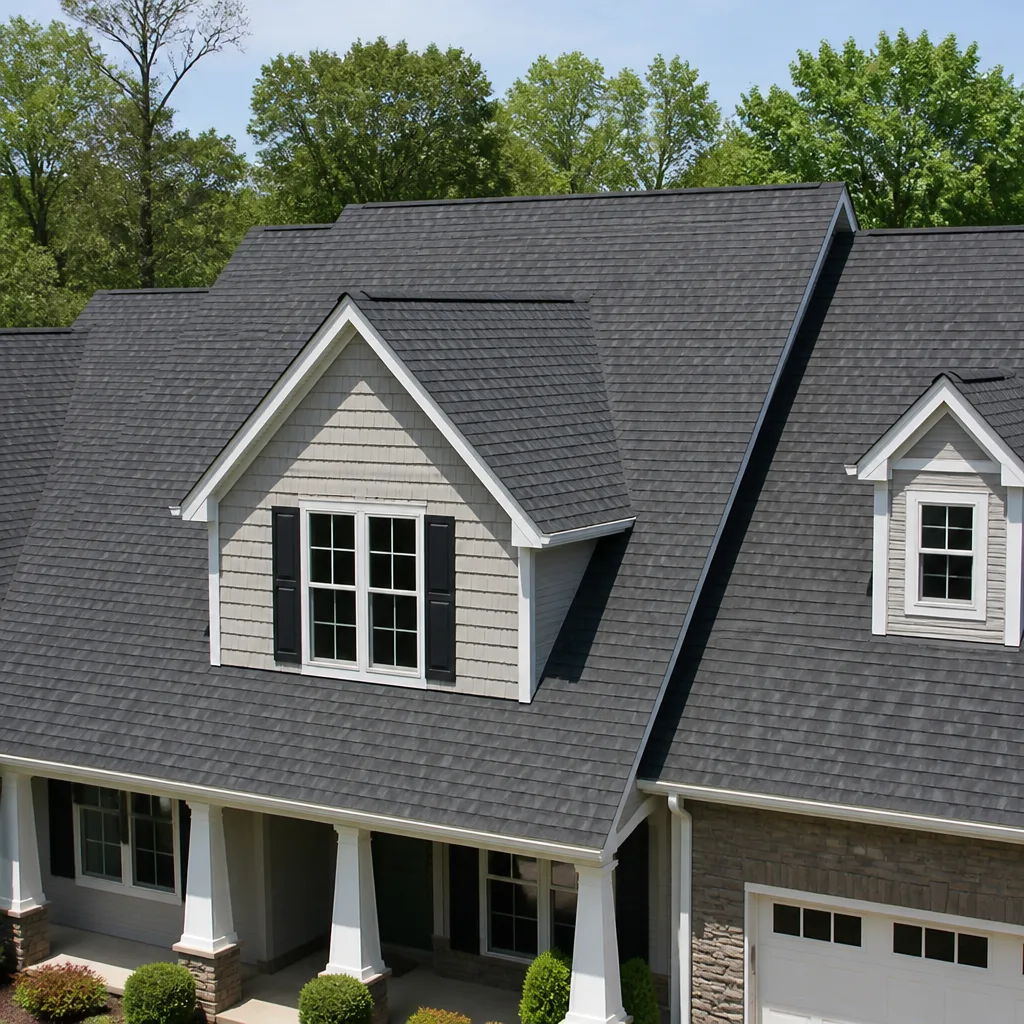 Architectural shingles
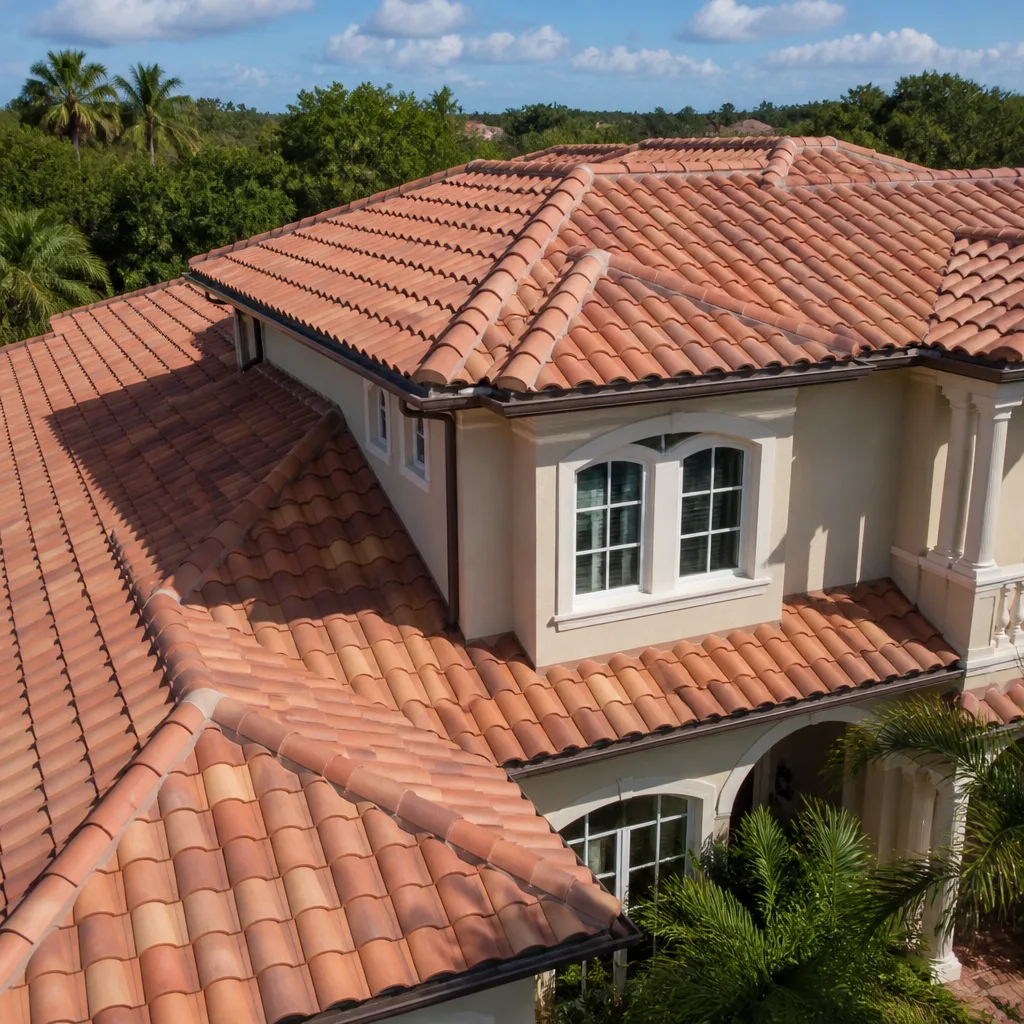 Tile roofing
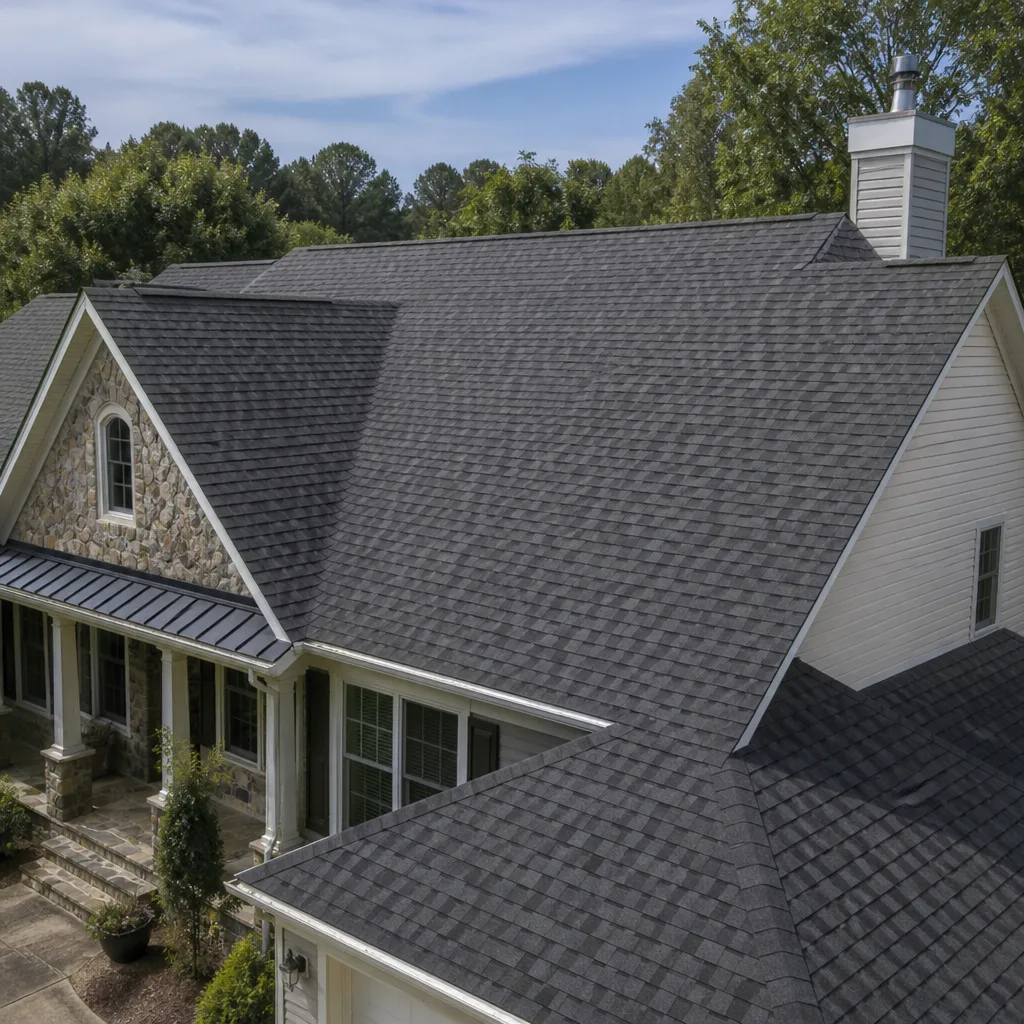 GAF
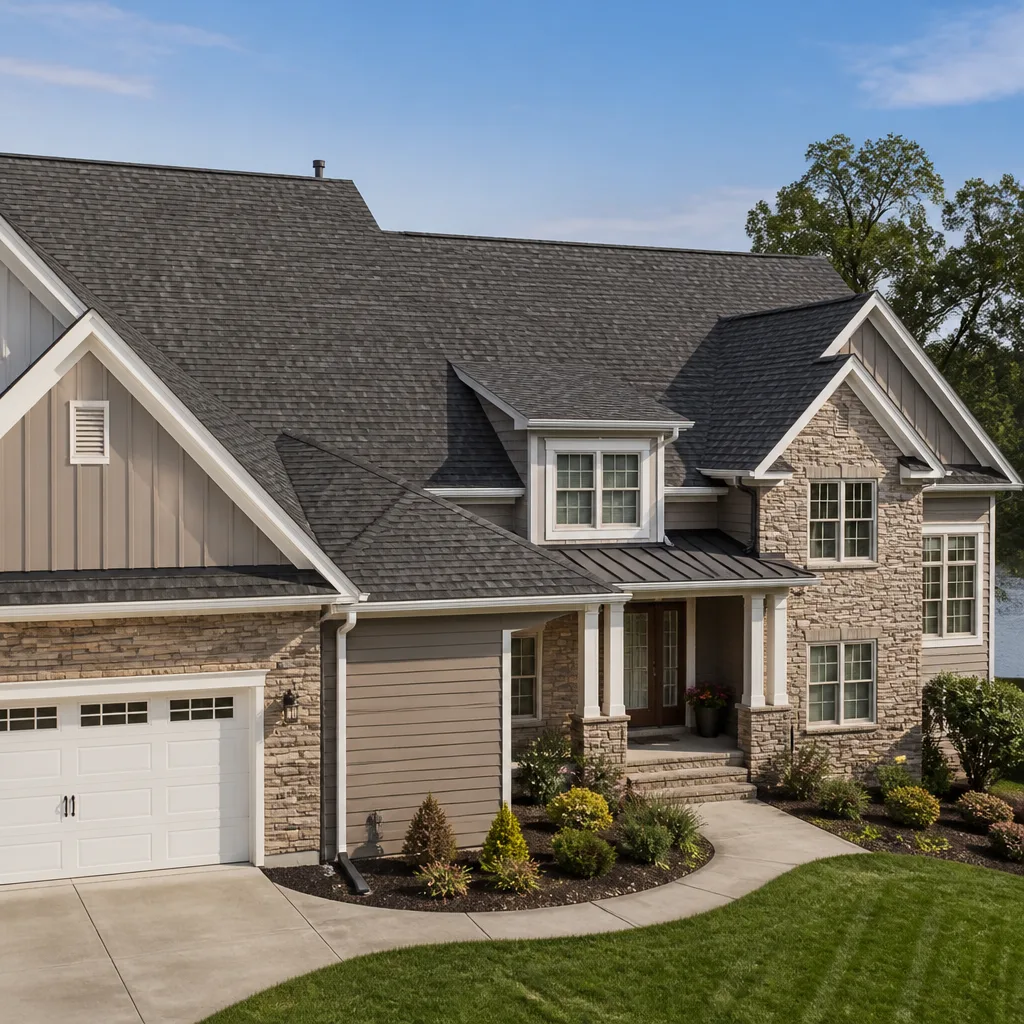 Owens Corning
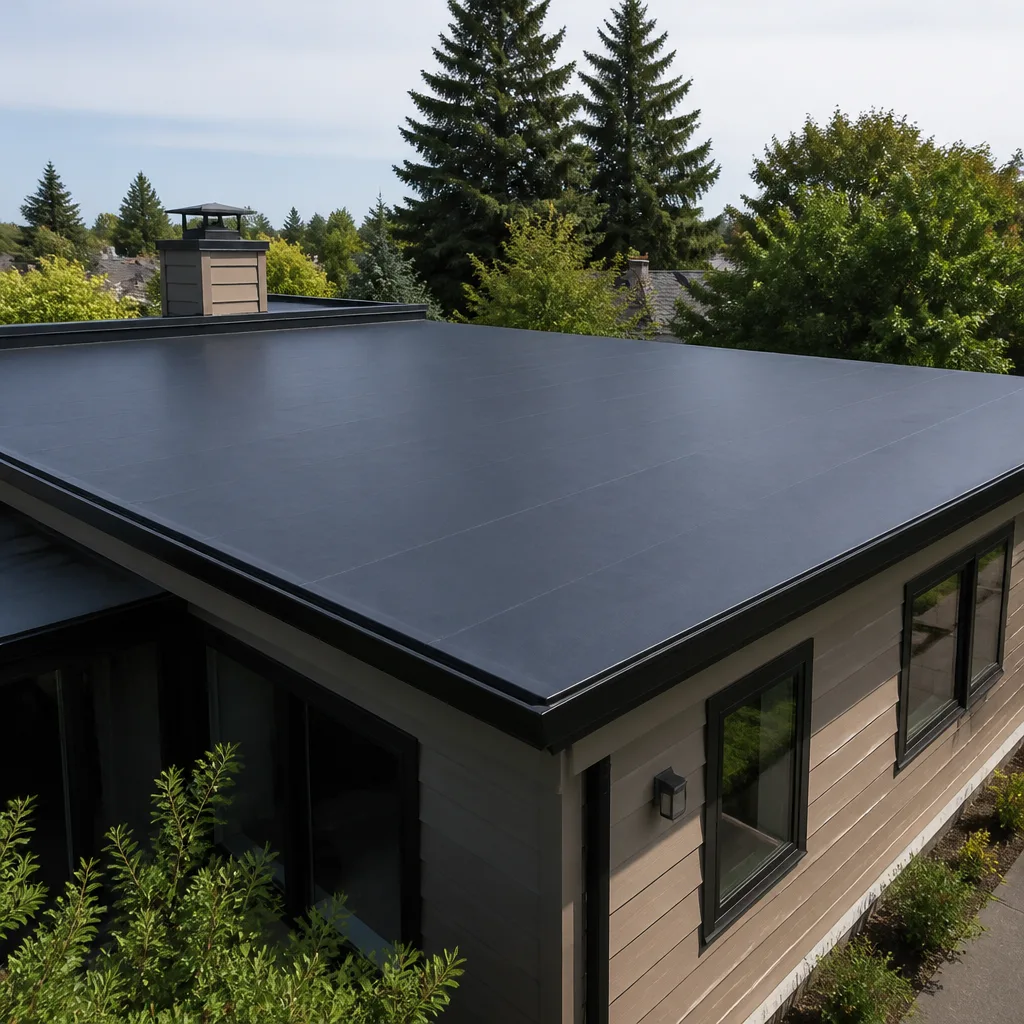 Flat & low-slope
Free roof inspection with deck photos before we talk money - GAF and Owens Corning certified installation
How to Hire a Roofing Contractor in Corona: A Step-by-Step Guide
Every Santa Ana season, Corona gets a fresh wave of out-of-area roofing contractors. They arrive within days of the first big wind event, clipboards in hand, ready to “help” homeowners file claims. Many hold valid California licenses. Almost none can name a single Corona neighborhood where they’ve torn off a roof in July. The homeowners who end up paying twice are the ones who treated licensing as the finish line instead of the starting point. This guide shows you how to vet a contractor the way a local roofer would – by testing for competence signals that paperwork alone can’t fake – and you can find more guides & resources on our blog. Here’s what you’ll actually learn: which five technical questions expose whether a contractor understands inland SoCal roofing conditions, how to read a CSLB license beyond its number, which contract clauses protect you, and why comparing three bids means nothing unless you’re comparing the right line items.
Styles & brands we work with
Quick Answer
To hire a roofing contractor in Corona, verify their CSLB license and confirm it carries a C-39 roofing classification (not just a general B), then test them on five Corona-specific technical questions covering wind uplift, attic ventilation, underlayment choice, and Riverside County inspection protocol. Compare at least three written bids line-by-line for scope and materials – not just price – and reject any post-storm door knocker who can’t name a local material supplier or describe how heat affects installations in the 92880 zip codes the way someone who actually works here would.
Table of Contents
- Start Here: Vetting Before Bids
- How to Verify a CSLB License (and What the C-39 Means)
- Five Technical Questions That Separate Corona Roofers From Coastal Pretenders
- Post-Storm Solicitation Red Flags in the Inland Empire
- How to Compare Three Bids Without Losing Your Mind
- Reading the Contract: Clauses That Protect You vs. Clauses That Protect Only the Contractor
- Insurance, Bonds, and Warranty Tiers: What Actually Matters
- Common Mistakes to Avoid
- When to Call a Professional
- Frequently Asked Questions
- The Bottom Line
Start Here: Vetting Before Bids
Most homeowners do this backwards. They call three contractors, get three prices, and only then start asking questions. By that point, the numbers have already anchored their decision. The smarter sequence is to filter for basic credibility first, then solicit bids. This works better in Corona because the local roofing market has some genuine quirks: a hot, dry climate that accelerates granule loss on certain asphalt shingle lines, wind exposure patterns that differ dramatically between the flatlands near the 15 and the hillside homes in South Corona and Eagle Glen, and a Riverside County inspection process that has its own rhythm. A contractor who passes a basic credibility screen but fails to show familiarity with these conditions will waste your time whether they’re cheap or expensive.
Start with these three vetting steps before you ask anyone to put numbers on paper:
- Confirm the license exists and is active. Go to the CSLB website and search by name or license number. If they hand you a card, look it up anyway. We’ve seen post-storm solicitors in Corona carrying copies of licenses belonging to other companies.
- Check the license classification. A General B license allows someone to act as a general contractor. A C-39 roofing classification means they’ve passed a roofing-specific trade exam. For a roof replacement in Corona, you want a C-39. For a repair that’s part of a larger project, a general contractor may sub out to a C-39 – but ask directly whether the roofer on your roof will hold the C-39.
- Ask for a local material supplier reference. A roofing contractor who actually works in Corona buys from local supply yards in Riverside, Fontana, or Ontario. Someone from outside the area will often hesitate or name a big-box retailer. It’s a small tell that saves hours of due diligence.
If a contractor can’t clear these three on the first call, you don’t need to see a bid. Move on.
How to Verify a CSLB License (and What the C-39 Means)
The Contractors State License Board (CSLB) issues every roofing license in California. The license number isn’t the important part; the classification letter is. For roofing, you’re looking for a C-39 classification, which covers “roofing contractor” specifically and requires passing a trade exam on roofing systems, materials, and codes. A General B license is broader – it allows construction and contracting but doesn’t prove roofing-specific knowledge. Some legitimate general contractors run roofing projects through subcontractors, but if the person signing your contract doesn’t hold a C-39 and isn’t transparent about who will actually install the roof, walk away.
Here’s the step-by-step verification process any Corona homeowner can complete in under five minutes:
- Go to the CSLB website and open the “Check a License” tool.
- Enter the license number or business name. Confirm the status says “Active” – not “Suspended,” “Expired,” or “Revoked.”
- Look at the classification. If you see C-39, good. If you only see B, ask who will handle the roofing work and verify their C-39 separately.
- Check the business address. Is it local to the Inland Empire or somewhere else entirely? A Sacramento or Orange County address on a contractor working post-storm in Corona isn’t automatically disqualifying, but it does mean you should dig deeper on local experience.
- Look for workers’ compensation coverage. The CSLB page shows whether the contractor carries workers’ comp insurance. If they don’t and an uninsured worker falls off your roof, the liability can land on your homeowner’s policy.
- Check for any enforcement actions. The CSLB lists suspensions, citations, and arbitration awards. A clean record doesn’t guarantee quality work, but a dirty one predicts problems.
We’ve watched Corona homeowners skip this entire process because they felt pressure from a contractor who “had an opening next week.” The CSLB lookup takes less time than ordering a coffee. Do it before any money changes hands.
When you’re ready to hire, get your Roof Inspection in Corona done first so you have a clear picture of what’s actually needed before anyone bids on work.
Five Technical Questions That Separate Corona Roofers From Coastal Pretenders
This is the section that matters most, and it’s the one almost no hiring guide covers. After every Santa Ana wind event, out-of-area contractors show up in Corona with licenses, insurance, and polished sales pitches. What they don’t have is familiarity with inland Southern California roofing conditions. The coastal and inland climates are different enough that details like underlayment choice, ventilation strategy, and nailing patterns genuinely change. A contractor who got started roofing beach houses in Huntington Beach – no knock on Huntington Beach – may not know how to properly vent an attic that hits 140 degrees in August in the 92880 zip code.
Here are five questions to ask any contractor before you consider their bid. If they stumble, deflect, or give you a one-size-fits-all answer, that’s a signal. Pay attention to it.
- “What underlayment do you use on Corona homes, and does it change based on exposure?” A Corona roofer should mention synthetic underlayment as standard, and should be able to explain when a peel-and-stick or self-adhering underlayment makes sense – typically on low-slope sections or valley areas that concentrate water. Someone who says “we use whatever the code requires” without elaboration is probably not making case-by-case judgments.
- “How do you handle attic ventilation in the inland heat?” Riverside County summers push attic temperatures far beyond the coast, and improper ventilation will cook your shingles from below. A contractor who knows Corona can talk about intake and exhaust balance, ridge vents versus turbine vents versus solar-powered options, and how they calculate the 1:150 or 1:300 ventilation ratio. Someone who asks “why is ventilation a concern?” has never worked on a Corona home that’s gone through a full inland summer.
- “What’s your process for passing a Riverside County inspection?” This is where out-of-area contractors fall apart. The county inspection process has specifics: you don’t get final sign-off until inspectors confirm the underlayment, flashing, nailing pattern, and ventilation meet the current California Building Code. A Corona roofer should be able to describe what the inspector looks for and how their crew stages the job to avoid inspection delays. If the contractor has never worked through a Riverside County roofing inspection, you’re getting a learning experience you didn’t pay for – and you might get stuck in permit limbo.
- “Which shingle brands do you actually carry from local supply yards?” The answer should be specific and unprompted. A Corona roofer will name brands like Owens Corning, CertainTeed, or IKO without having to think – because they’re picking them up from a supply yard in Riverside or Ontario every week. If they have to look up “which brands do you carry,” they don’t carry any. They’re buying whatever’s on sale at the home store and marking it up.
- “What wind rating do you install to, and how does that compare to what Corona actually experiences?” Corona sits in an inland wind zone where Santa Ana gusts can hit 60-70 mph on exposed ridgelines, but the code requirements vary by exposure category. A contractor who says “we meet code” is giving you the minimum. A contractor who can talk about ASTM wind ratings, enhanced nailing patterns for high-wind areas, and how they handle the transition zones between different roof slopes is giving you actual engineering judgment.
The pattern here is simple: a contractor who knows Corona will answer these questions the way you’d answer a question about your own neighborhood – with specifics, unprompted. A contractor who’s guessing will pivot to price, financing, or emotion. Don’t let them change the subject.
Post-Storm Solicitation Red Flags in the Inland Empire
There’s a playbook that out-of-area contractors run in Corona after every Santa Ana wind event, and it’s been refined for years. Understanding it will keep you from becoming a target. Here’s how it works: after a storm causes wind damage, a roofer shows up at your door within days with a ladder, a “free assessment,” and an urgent tone. The urgency is always the same – “you should file a claim before the insurance adjuster gets booked up” or “we can get on this before the next storm.” What they’re really doing is creating scarcity so you’ll sign before you get competing bids or a second opinion.
Look for these five red flags specifically in the post-storm context that’s common in the Inland Empire:
- No local material supplier relationship. Ask where they buy materials. If they can’t name a specific supply yard in the Inland Empire, they’re working out of a rented truck and a smartphone. Post-storm roofers who are “new to the area” are almost always working in six cities at once, and the moment their marketing budget runs out, they disappear.
- Pressure to sign a claim assignment before you’ve even called your insurance company. A common tactic is to get homeowners to sign a “roof inspection authorization” that includes a clause assigning a percentage of the insurance claim to the contractor. This locks you into their prices before you’ve compared anything. Never sign anything on a first visit.
- Overnight or “we can start tomorrow” promises. Real contractors in Corona carry a schedule. During a post-storm rush, anyone who can start immediately is starting immediately because no one else wanted to hire them. The condition of their schedule tells you something about their reputation.
- Vague answers to questions about Riverside County inspections. As covered above, the county process is specific. A contractor who doesn’t know what the county inspector checks is a contractor who hasn’t done permitted work here.
- Mismatched branding on vehicles, clothing, and paperwork. The post-storm door knocker might be a sales agent for a larger company, and that’s fine – but the name on the estimate should match the name on the license, the name on the vehicle, and the name on the insurance certificate. If you find three different business names across three different documents, you’re dealing with a broker who’s reselling your job to the cheapest available crew.
The post-storm sales environment is different from normal times. Contractors who are actually good at what they do don’t need to chase storms to fill their schedules. They’re busy enough during normal weather.
If storm winds have already damaged your roof, start with a Roof Repair in Corona assessment before any contractor walks on it – that way you know what’s actually wrong before anyone tries to sell you on a full replacement.
How to Compare Three Bids Without Losing Your Mind
You’ll hear the standard advice: “get three bids.” It’s good advice, but it’s incomplete. Three bids only help if you know what to compare across them. The mistake most homeowners make is comparing the bottom-line price and maybe the shingle brand. But a roofing bid is a scope document as much as a price tag. If two bids differ by $4,000, the gap almost always lies in the details: whether they’re removing the existing roof or nailing over it, whether they’re including underlayment and ventilation upgrades, whether flashing replacement is included or an upcharge, and whether they’re pulling permits and scheduling inspections themselves.
Here’s a line-by-line comparison framework that works for Corona homes specifically:
- Scope of tear-off: Does the bid include a full tear-off to the deck, or a nail-over on top of the existing shingles? A proper tear-off exposes the decking so rotted or split wood can be inspected and replaced. Nail-overs are cheaper but hide deck problems and often void manufacturer warranties. In a Corona market where many homes built in the 1990s and early 2000s are due for their first or second replacement, the tear-off is non-negotiable.
- Underlayment spec: What grade and brand of underlayment is included? Synthetic or felt? Self-adhering in valleys and penetrations? If the underlayment isn’t specified, the contractor will use the cheapest thing on the shelf.
- Flashing replacement: Are they replacing all flashing – chimney, pipe, valley, wall – or reusing existing metal? Reused flashing is the most common cause of leaks within three years of a replacement. A good bid in Corona will itemize flashing replacement.
- Ventilation upgrades: Does the bid include any changes to attic ventilation, or is the roofer just reusing existing vents? As discussed, inland heat makes this material. If one bid includes ventilation calculations and another ignores the topic, the latter is cheaper for a reason.
- Permits and inspections: Does the bid include pulling the permit and scheduling the Riverside County inspection? Some contractors price this separately or exclude it to look cheaper. Ask directly.
- Debris removal and protection: What happens to the old roofing material? Is there a dumpster or trailer included? Is landscaping or driveway protection specified? In Corona’s older neighborhoods with mature trees and tight driveways, debris management is a real thing.
The point isn’t to make all three bids identical; it’s to understand what you’re paying for in each one. Once you see the line items side by side, the decision usually makes itself. And if a contractor refuses to itemize a bid in enough detail for this comparison, treat that as a red flag of its own. Transparent pricing is a trust signal, not a favor.
Reading the Contract: Clauses That Protect You vs. Clauses That Protect Only the Contractor
By the time a Corona homeowner reads a roofing contract, they’ve already done the hard work of vetting. But the contract itself is where a good contractor can still disappoint you – or where a mediocre one can exploit you. The clauses matter more than the price. Here’s what to look for on both sides of the ledger.
Clauses that protect you:
- Fixed price with no change orders. A “fixed price” means the contractor absorbs the risk of miscalculation. A “cost-plus” contract means you absorb it. If a bid includes the phrase “plus any additional costs discovered during tear-off,” that’s an open-ended commitment. A good Corona contractor has seen enough local roof decks to predict what they’ll find and price accordingly.
- A defined scope with the exact materials named. “New roof” is not a scope. “Full tear-off of existing roof, replacement of all decking as needed, installation of synthetic underlayment, 6 ft of self-adhering underlayment in valleys and penetrations, replacement of all flashing, and installation of [specific shingle brand and model]” is a scope. If the contractor won’t write it down, they didn’t quote it.
- A payment schedule tied to milestones. Never pay in full up front. A typical schedule is a deposit, a payment at material delivery, and a final payment after inspection passes. If a contractor asks for 50% down or more, negotiate. If they won’t negotiate, that’s a signal.
- Warranty language that names the manufacturer. If the contract says “warranty included” but doesn’t specify the manufacturer or the warranty tier, you’re getting whatever the contractor decides to register later. Ask for the manufacturer’s warranty certificate language. Brands like CertainTeed and Owens Corning have specific warranty tiers that require specific installation practices. The contract should name the exact warranty you’re getting.
Clauses that protect only the contractor:
- Mandatory arbitration clauses. These are increasingly common in Corona roofing contracts, and they strip your right to go to court if something goes wrong. Some arbitration clauses are balanced; many are designed to make it harder and more expensive to hold a contractor accountable. Read any arbitration language carefully, and ask what the process looks like if there’s a dispute.
- Vague “additional work” authorizations. If a contract says the contractor can perform “necessary additional work” without a written change order, strike it or amend it. “Necessary” is a word that gets tested after the decking is exposed and the crew suddenly needs to upcharge you.
- Right to substitute materials. A clause allowing the contractor to substitute “equivalent” materials without your approval is a way to get the budget version of what you were quoted. If brand names matter to you – and they should if you’re investing in a warranty – require written approval for any substitution.
- Blanket lien waiver language. In California, contractors can file a mechanics lien on your home if they’re not paid, and subcontractors who don’t get paid can too. A good contract will include a process for lien releases at each payment stage. A bad one will bury a clause that lets the contractor or subs place liens without clear resolution. Ask that lien releases be provided with each payment.
Read the contract in full before you sign. If the contractor won’t give you a copy to review at your kitchen table, on your own time, that’s a red flag. Any legitimate Corona roofer expects you to read the contract and ask questions about it.
Insurance, Bonds, and Warranty Tiers: What Actually Matters
You’ve probably seen the standard advice: “make sure the contractor is licensed, bonded, and insured.” It’s good advice, and it’s incomplete. Here’s what those words actually mean in the context of Corona roofing work, and which parts matter more.
Insurance: A roofing contractor should carry general liability insurance and workers’ compensation. General liability covers damage to your home during the project. Workers’ comp covers injuries to the crew. In California, a C-39 contractor without workers’ comp is a huge risk: if an uninsured worker falls off a roof, you can be pulled into the liability. Ask for a certificate of insurance directly from the insurance company, not a photocopy from the contractor’s folder. And call the insurer to confirm the policy is active.
Bonding: A CSLB-issued license includes a contractor’s bond, which protects against certain claims like a contractor abandoning the job or failing to pay subs. The bond amount is set by the CSLB, not a selling point. But a contractor who can demonstrate additional bonding capacity – like a performance bond or a payment bond – is showing you they have financial depth. Most residential roofing jobs in Corona don’t require additional bonds, so this matters less for homeowners than it does for commercial work.
Warranty tiers: This is where material choice matters most. Manufacturer warranties come in tiers: a standard material warranty, a system warranty, and a “lifetime” or “gold” tier that includes labor. The tier you get depends on the shingle brand and the installation quality. A contractor who installs Atlas or IKO shingles but doesn’t follow the manufacturer’s installation specifications voids that warranty. A contractor who installs the wrong underlayment under a CertainTeed warranty also voids it. When a Corona roofer says “we offer manufacturer-backed warranties,” the key phrase is “manufacturer-backed” – the warranty comes from the manufacturer, not the contractor’s promise to come back. Ask what tier you’re getting in writing, and ask what installation practices are required to maintain that tier.
One more thing: the warranty is separate from the workmanship. A manufacturer warranty covers defects in the shingles. A workmanship warranty covers installation errors. A good Corona contractor provides both – and if you’re considering a replacement, our Roof Replacement in Corona page details the warranty options across the brands we install.
Common Mistakes to Avoid
- Checking only that a license exists, not its classification. A General B license holder can legally accept roofing work but may not have roofing-specific expertise. Confirm the C-39 classification before you sign. This one mistake leads to more bad Corona roof installations than any other.
- Comparing bids by final price alone. If one bid is $5,000 cheaper, it’s cheaper for a reason – probably in the underlayment, flashing, or ventilation line items. Compare scopes before you compare numbers, and ask the cheaper bidder specifically what they’re not including.
- Signing a post-storm door knocker before you’ve called your insurance company. You don’t need a contractor to tell you whether you have storm damage. You need an independent assessment. File your claim first, get the adjuster’s report, then invite contractors to bid on the actual scope of work.
- Assuming a big brand name equals quality installation. A beautiful CertainTeed or Owens Corning shingle installed badly will leak faster than a budget shingle installed correctly. The installation matters more than the shingle, and the contractor matters more than either.
- Paying a large deposit before materials arrive. A contractor who needs half the money up front is financing their other jobs on your check. A reasonable deposit is 10-30%, with payments tied to milestones like material delivery and inspection approval.
- Ignoring the ventilation section of the bid. In Corona’s summer heat, ventilation isn’t optional. If your bid doesn’t mention attic ventilation at all, ask why. The answer will tell you whether the contractor understands inland conditions or is just replicating coastal installation habits.
- Not reading the warranty language before signing. “Warranty included” is not a warranty. Get the manufacturer’s warranty tier in writing, with the exact brand name and the installation requirements to maintain it. A verbal promise to “come back if anything goes wrong” evaporates the moment the contractor moves on.
When to Call a Professional
Here’s the honest truth: some roofing assessments you can do yourself, and some you can’t. You can look for obvious signs – missing shingles, granules in the gutters, daylight coming through the attic, water stains on ceilings. What you can’t do is evaluate the condition of the decking under the shingles, assess flashing seals around chimneys and skylights, or determine whether your ventilation is adequate for inland heat. Those require a trained eye, and in some cases they require getting on the roof itself – which is not something we recommend for any homeowner on a steep pitch, where a single misstep on a hot Corona afternoon can change your life in a second. The trained professional route is the safer route, and it’s the only route that gives you a complete picture before you start hiring.
Orange County Roofing Co offers free estimates in Corona. Call (866) 942-4187 to schedule yours, and we’ll walk you through the assessment process honestly – whether you need a full replacement, a repair, or just a professional opinion to help you make a smart decision.
Frequently Asked Questions
A full roof replacement in Corona typically ranges from $9,000 to $18,000 for an average 2,000 to 2,500 square foot home, depending on the shingle brand, warranty tier, roof pitch, and the condition of the decking. Higher-end systems from brands like Owens Corning and CertainTeed with upgraded warranty tiers and full ventilation retrofits can push the price above $20,000. The biggest variable is usually the decking: if your existing decking is rotted from inland heat or water intrusion, replacement adds real material and labor cost. Call (866) 942-4187 for a free written estimate with line-item pricing and no surprise change orders.
You don’t need a contractor whose office is in Corona, but you do need one who has installed roofs in the Inland Empire’s inland heat and high-wind conditions. Coastal roofing practices don’t always account for the 140-degree attic temperatures, Santa Ana wind gusts, and faster granule degradation that Corona homes experience. When you’re interviewing contractors, ask about their experience in the 92880, 92881, and 92882 zip codes specifically.
A standard tear-off and replacement on a typical Corona home takes two to four days from the time materials arrive to the day inspection passes, which you can verify against the timelines in our Roof Repair Maintenance Checklist for Corona Homeowners. Homes with steep pitches, multiple stories, extensive decking repair, or unusual architectural features can take longer. The Riverside County inspection may add a day or two depending on the inspector’s schedule, so factor that into your planning. The actual installation is the fast part; the site protection, tear-off, and detail work take the most time.
There isn’t a single “best” brand. Owens Corning, CertainTeed, IKO, and Atlas all make shingles that perform well in Corona’s heat and wind, but each has different strengths in terms of aesthetics, impact resistance, wind rating, and warranty structure. The right choice depends on your home’s exposure, your roofline, and how long you plan to stay in the house. At Orange County Roofing Co, we install products from seven manufacturers so we can recommend the right one for your specific conditions – not just the one we happen to stock. Visit our Roof Replacement in Corona page to see the brands and warranty tiers available.
Homeowner’s insurance typically covers roof replacement only when the damage results from a covered peril, like severe wind from a Santa Ana event, hail, or a falling tree branch. Normal aging and heat-related wear, which are common in Corona, are generally not covered. If you’re filing a claim, get your insurance adjuster’s assessment first, then hire a contractor to bid on the actual scope the adjuster approved. A contractor who offers to “handle everything” with the insurance company before you’ve reviewed the claim is navigating the process for their benefit, not yours.
You can accept the inspection, but don’t sign anything, don’t agree to any work, and don’t let them walk your roof without verifying their CSLB license first. Legitimate post-storm contractors in Corona understand you’ll want to get multiple opinions, and they won’t pressure you for a signature on the spot. If the roofer insists on a signed “authorization” before they’ll even look at the roof, tell them no and call someone else. A free estimate is free, and you don’t owe anyone a commitment for looking.
The Bottom Line
Hiring a roofing contractor in Corona shouldn’t feel like a gamble. The path to a good hire is narrow but clear: verify the CSLB license and C-39 classification, ask the five technical questions that separate inland-experienced roofers from coastal pretenders, compare bids line-by-line instead of by price, read the contract with an eye toward which clauses protect you, and never let a post-storm door knocker rush you into a decision. A roof is a fifteen-to-thirty-year purchase in a climate that punishes shortcuts. The right contractor will answer your questions with specifics, itemize their scope without hesitation, and give you time to make an informed decision. The wrong one will ask for a deposit before you’ve read the contract. Choose accordingly.
If you’re ready to talk specifics, our team at Orange County Roofing Co home is available for a free estimate. Call (866) 942-4187 and we’ll walk through your options from inspection through replacement – no pressure, just straight answers.
Written by the team at Orange County Roofing Co, serving Corona since 2015.
See the difference
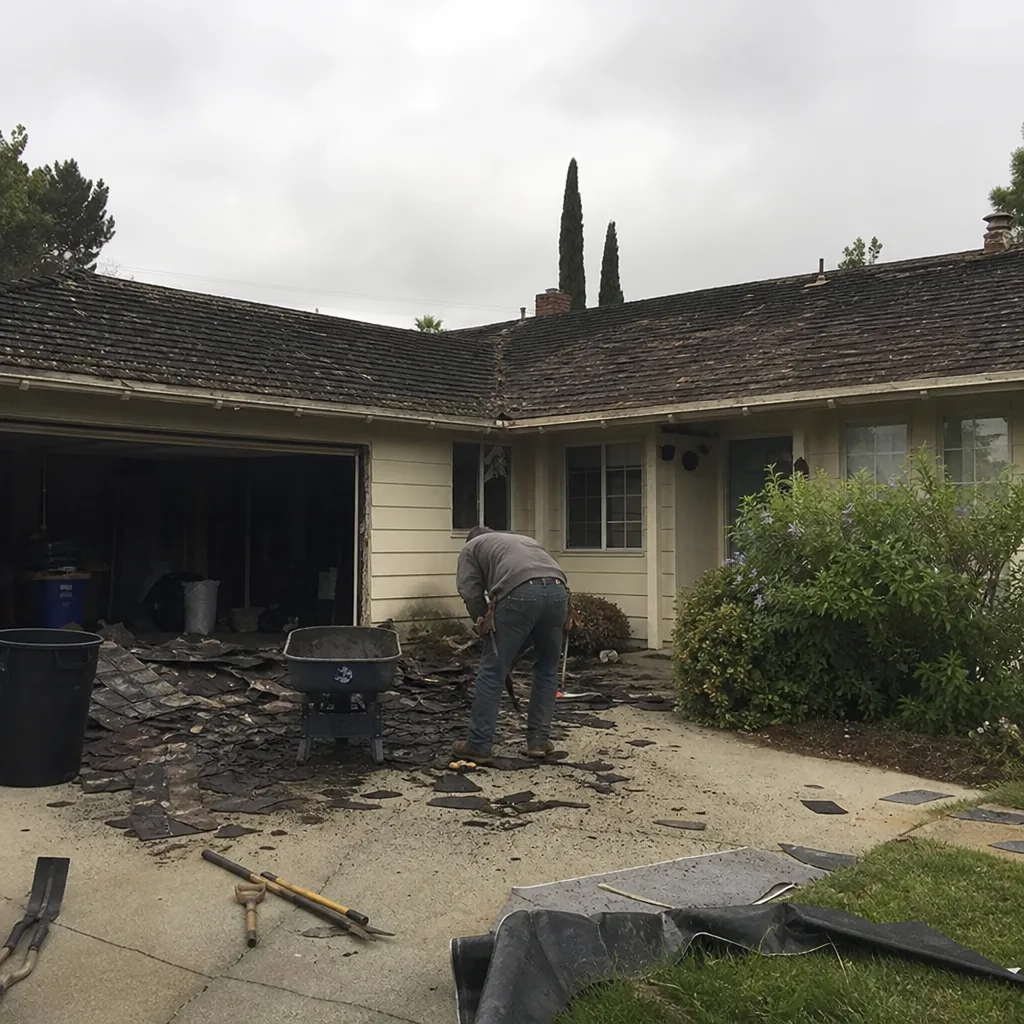 Before
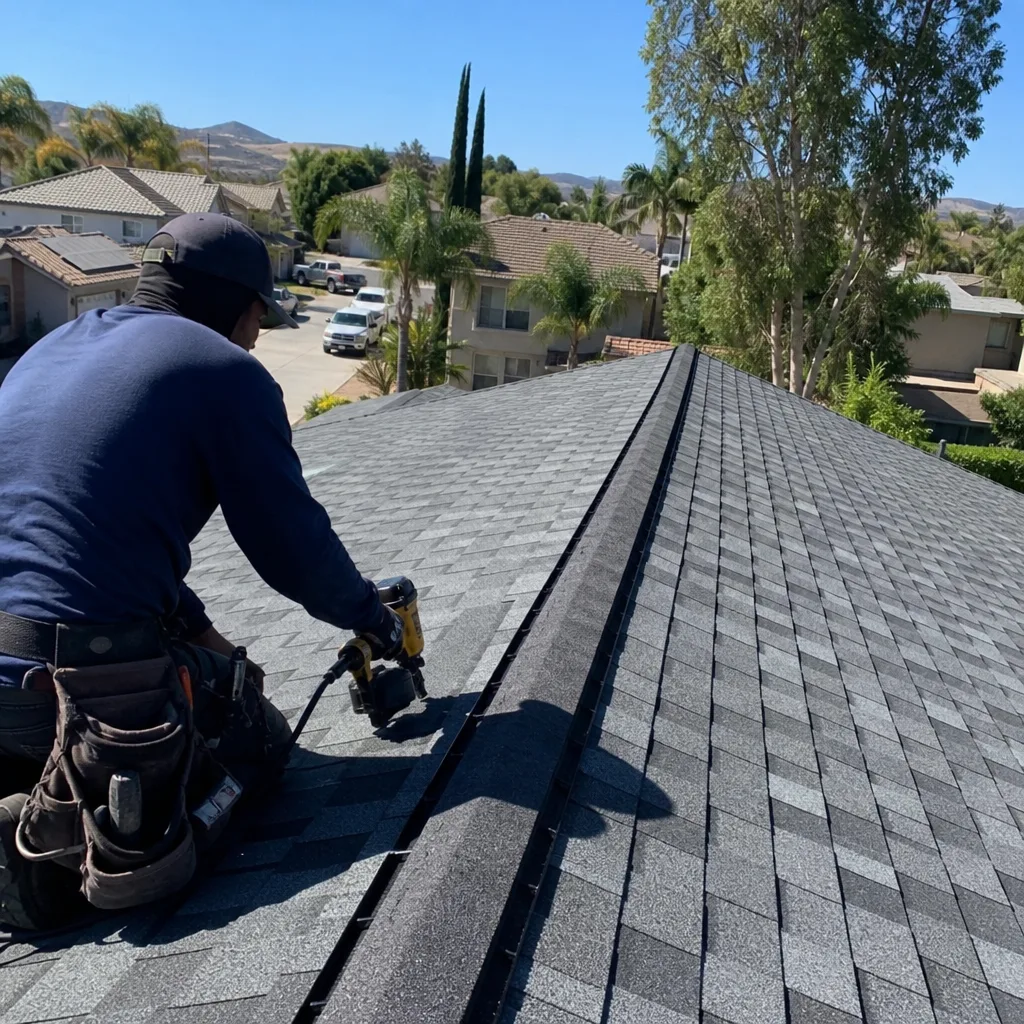 After
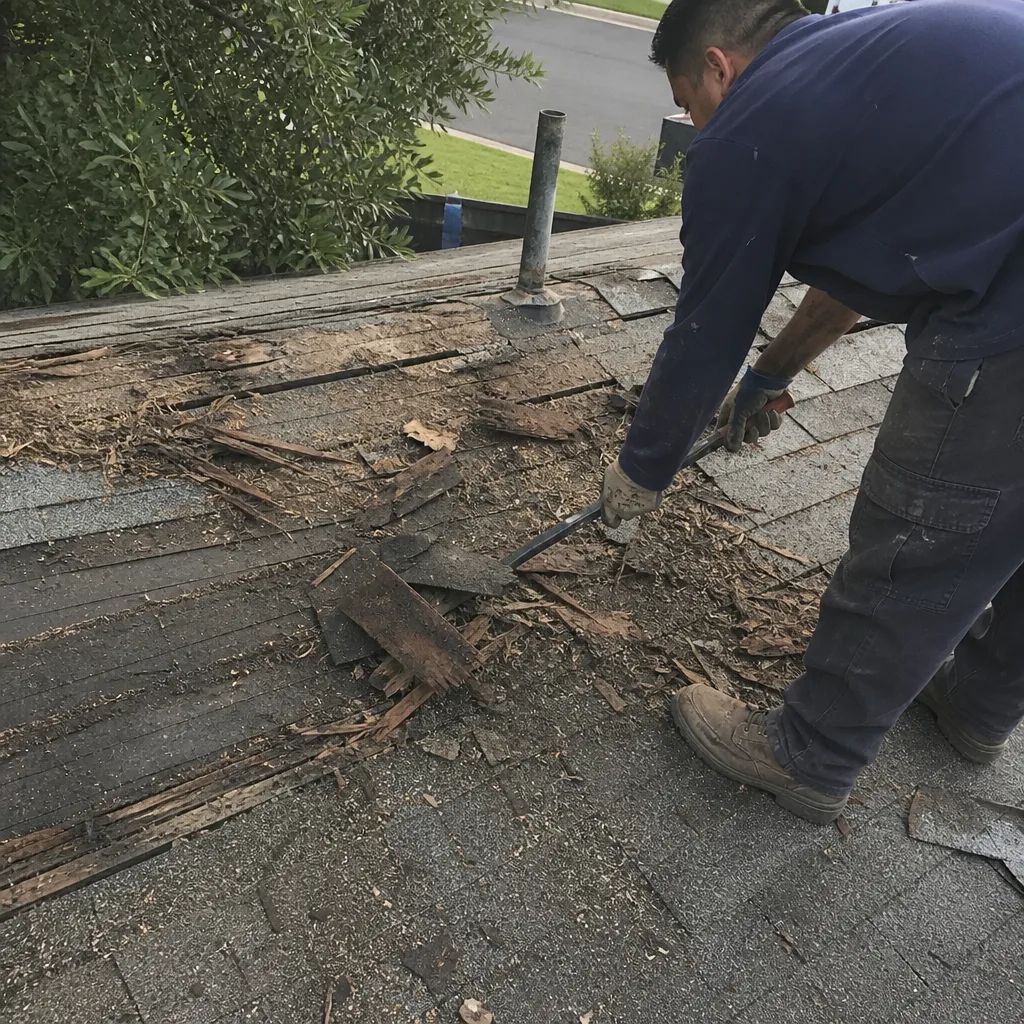 Before
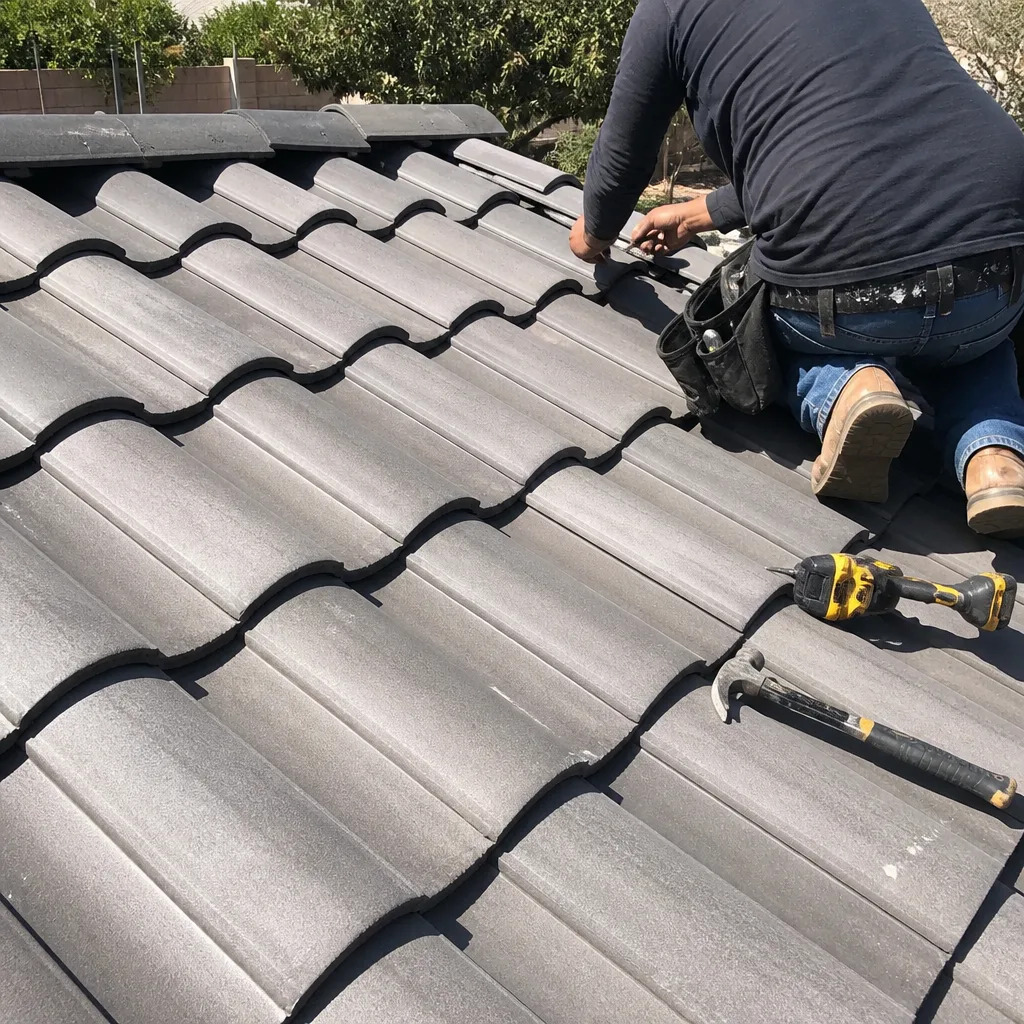 After
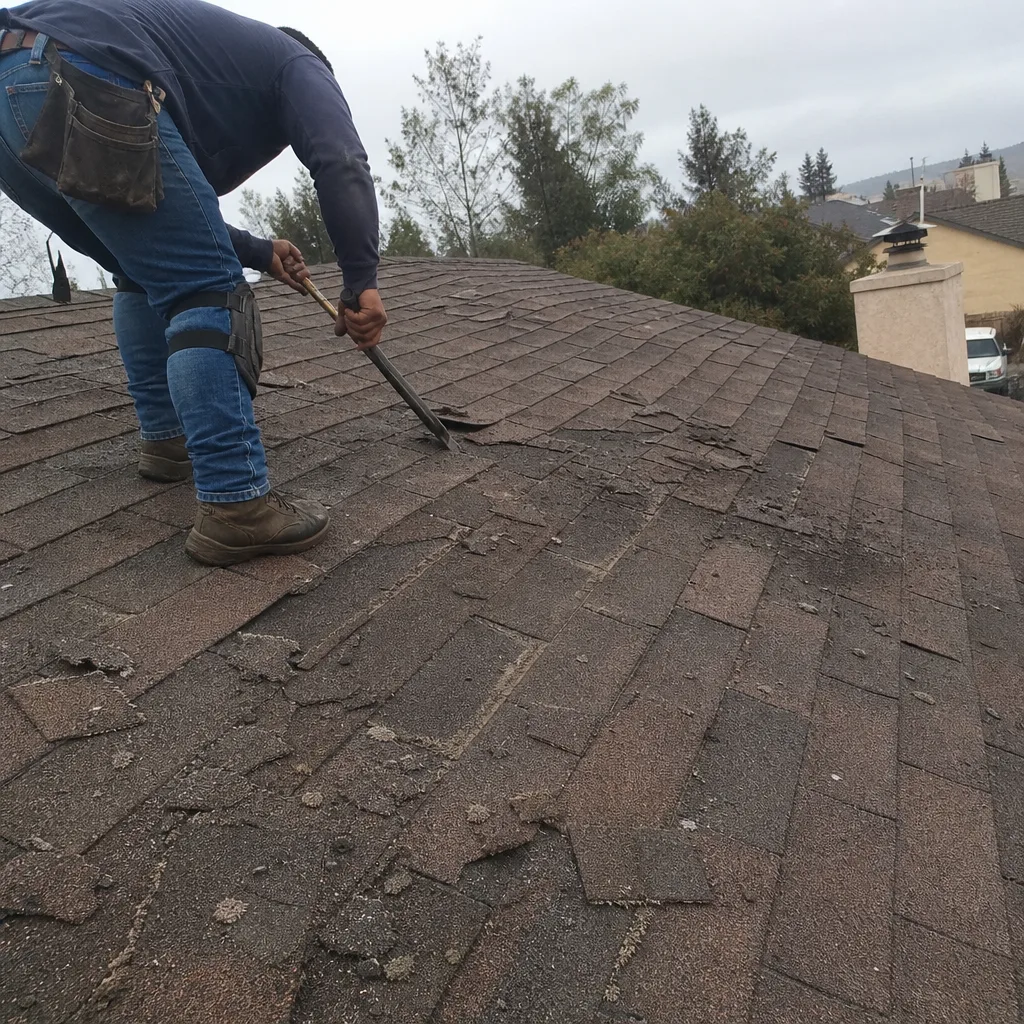 Before
 After