
Last updated October 31, 2026
 Architectural shingles
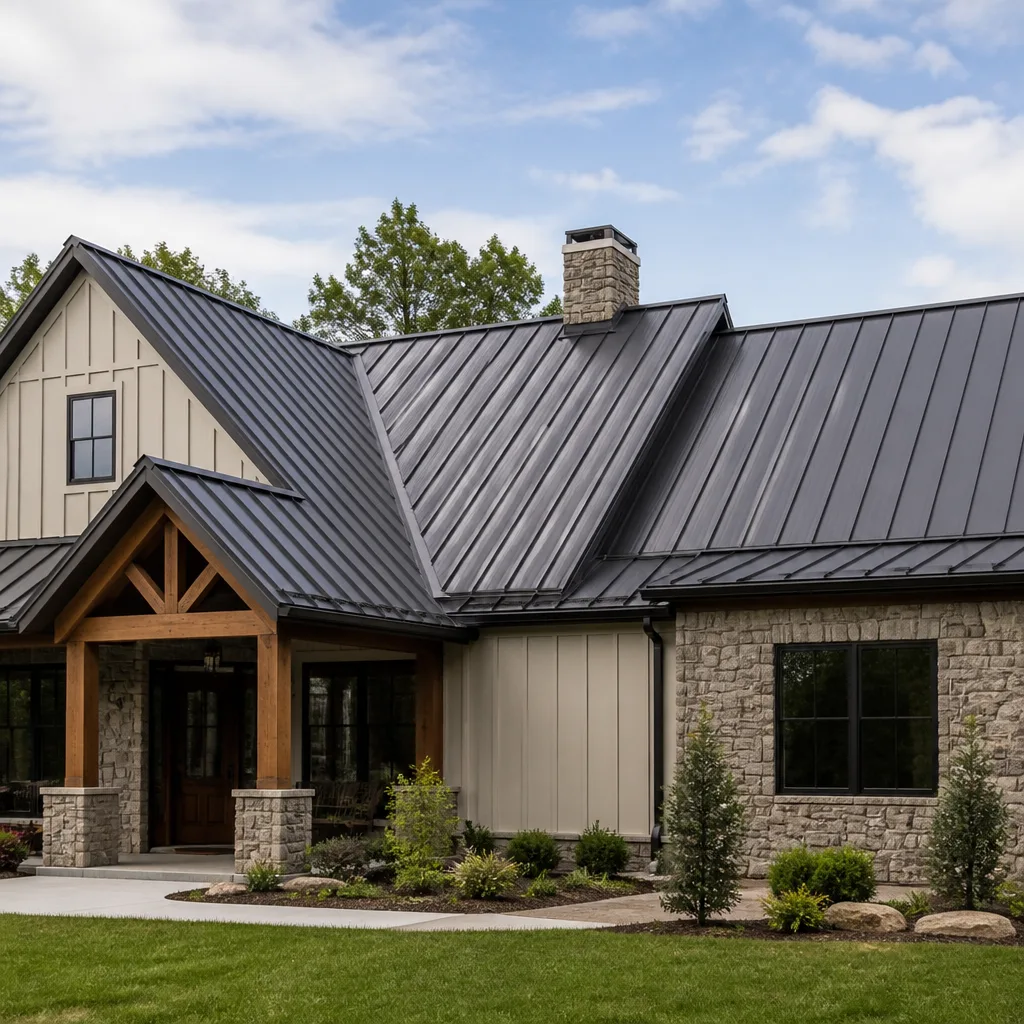 Metal roofing
 Tile roofing
 GAF
 Owens Corning
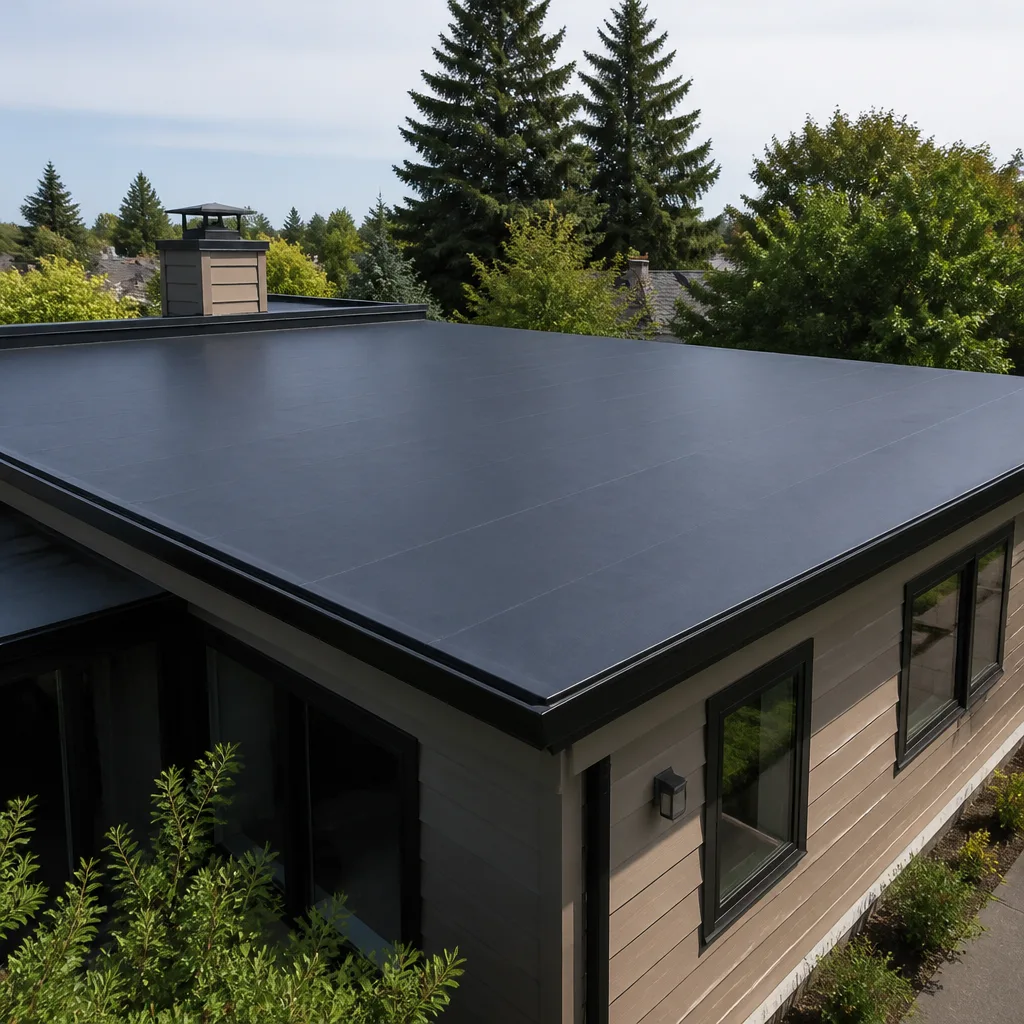 Flat & low-slope
Free roof inspection with deck photos before we talk money - GAF and Owens Corning certified installation
Roof Repair Troubleshooting: Common Problems and How to Fix Them
That water stain on your ceiling directly below the bathroom? The actual breach in your roof is probably four feet uphill from it. Water doesn’t fall straight down through a roof. It hits the decking, follows the slope, rides along a rafter, and drips only when gravity finally wins. In Corona, where we get intense sun for eleven months and sudden downpours in the winter, this diagnostic gap costs homeowners thousands in unnecessary repairs. This guide teaches you how roofers actually trace leaks back to their source, the five problems homeowners misdiagnose most often, and which symptoms you can safely assess yourself before calling anyone.
Styles & brands we work with
Quick Answer
Roof leaks rarely originate where they appear on your ceiling because water travels along rafters and decking before dripping. Start by looking uphill from the stain, check attic ventilation and condensation first, then inspect flashing, nail pops, and shingle condition in that order. Most DIY-safe diagnostics happen from the ground or inside the attic, and when in doubt, our Roof Repair services include professional inspections that cost far less than fixing water damage from a misdiagnosed leak.
Table of Contents
- Why Ceiling Stains Lie: The Physics of Water Travel
- The Five Most Misdiagnosed Roof Problems
- The Attic-First Diagnostic: Tracing the True Entry Point
- Material-Specific Symptom Guide: Asphalt, Tile, and Flat Roofs
- DIY-Safe Ground-Level Checks in Corona
- When It’s Ventilation or Insulation, Not a Roof Leak
- Flashing Failures: The Most Overlooked Leak Source
- Common Mistakes to Avoid
- When to Call a Professional
- Frequently Asked Questions
- The Bottom Line
Why Ceiling Stains Lie: The Physics of Water Travel
Roof water doesn’t obey the same rules as a dripping faucet. Once moisture penetrates the roofing surface, it becomes a horizontal traveler. Water hits the underside of the decking, adheres to the surface tension, and follows the slope until it encounters a seam, a nail, a knot in the wood, or a joint between plywood sheets. Only then does it release and fall. In a Corona home with a standard 4:12 pitch, a leak that shows up near the bathroom exhaust fan could easily have entered the roof eight to ten feet upslope.
We’ve walked into Corona attics after rainstorms and found the true entry point above the living room while the ceiling stain sat above the hallway closet. The water had traveled along an exposed rafter for eleven feet before dripping onto the insulation and pooling. This is why patching the spot directly above a stain almost never solves the problem, and why any honest roofing professional starts with an attic inspection rather than a look at the exterior shingles above the stain.
The takeaway for any homeowner: when you see water inside, your first question isn’t “what’s above this stain?” It’s “what’s uphill from this stain, and how did water get onto that rafter in the first place?”
The Five Most Misdiagnosed Roof Problems
In our experience across hundreds of Corona roof inspections, these five problems account for the majority of misdiagnosed roof issues. Understanding them saves you from paying for the wrong repair.
1. Condensation vs. Active Leak
Condensation on the underside of roof decking looks nearly identical to a leak to an untrained eye. Dark stains, dripping water, damp insulation. But condensation isn’t a roof failure at all. It’s an airflow failure. In Corona’s dry climate, this surprises homeowners because they associate humidity with coastal areas. But even here, poorly ventilated attics trap warm, moist air that rises from bathrooms, kitchens, and laundry rooms. When that air hits a cold roof deck on a winter morning, it condenses and drips. Replacing shingles won’t fix it. Correcting attic ventilation will.
2. Nail Pops vs. Missing Fasteners
A nail pop is a roofing nail that has slowly backed out of the decking and lifted the shingle above it. It creates a small bump on the roof surface. A missing fastener is a nail that has fully come loose, leaving a gap in the shingle’s attachment. Nail pops are common on older Corona homes because the dramatic temperature swings between summer afternoons and winter nights cause wood decking to expand and contract, working nails loose over time. A popped nail doesn’t always require replacement; it often just needs the nail reset and the shingle re-sealed. A missing fastener requires re-fastening and checking the surrounding shingles for wind damage.
3. Failed Flashing vs. Cracked Shingles
Flashing is the metal material installed at roof joints: valleys, chimneys, skylights, vents, and where roof meets wall. It’s the most common leak source on any roof, yet homeowners rarely check it first. Cracked shingles are visible from the ground and capture attention. Failed flashing hides in the transitions. In Corona, UV damage accelerates caulk and sealant breakdown around flashing points, especially on south- and west-facing roof sections. If your leak is near a chimney, skylight, or roof-wall intersection, suspect flashing before shingles.
4. Ice Dam vs. Debris Backup
Corona doesn’t get ice dams the way alpine regions do, but we do get debris backups. Leaves, twigs, and sediment collect in valleys and behind drains on flat sections. Water pools behind the blockage and finds a path under shingles or tiles. Homeowners often report “roof leaks after rain” when what they actually have is a drainage problem. Cleaning debris from valleys and checking scupper drains on flat sections is a roof repair in Corona issue that’s often resolved without replacing a single shingle.
5. Interior Wall Stains vs. Roof Leaks
Not every water stain near the ceiling comes from the roof. Plumbing supply lines run through walls, and a slow pinhole leak in a bathroom wall can wick upward and stain the ceiling below. Exterior wall penetrations, like cable or electrical lines, can let water in during wind-driven rain. Before calling a roofer, check if the stain worsens when you run the shower or flush a toilet. That points to plumbing, not roofing.
The Attic-First Diagnostic: Tracing the True Entry Point
Every professional roof diagnosis starts the same way: in the attic, not on the roof. For a deeper look at protecting your home year-round, see our Roofing Emergency Preparedness Guide for Corona Homes.
- Locate the interior stain. Measure from the nearest exterior wall and nearest interior wall so you can find the same spot in the attic. Mark it mentally.
- Enter the attic during daylight. Before turning on any light, look for sunlight penetrating through the roof deck. Holes, cracked shingles, and failed flashing often let visible light through before water becomes obvious.
- Trace uphill from the stain. Follow the wet or stained rafter upward. Water travels downhill along the rafter, so the entry point is above where you see the damage. Look for water staining on the underside of the decking.
- Check the decking around penetrations. Vents, pipes, chimneys, and skylights all create breaches in the roof plane. Inspect the decking immediately surrounding each one for dark staining or softness.
- Press test the decking. With a gloved hand or screwdriver handle, press firmly on any stained or suspect decking. Sound wood is firm and springy. Water-damaged decking feels soft or spongy. This tells you how long the leak has been active and whether the decking needs repair, not just the shingles.
- Look for condensation patterns. Condensation looks like even, widespread dampness across the entire roof deck, often with darker staining at the lowest sections. A true leak is localized. This distinction alone answers half of the inspection questions in Corona attics.
If you’re not comfortable in the attic or can’t locate the source, a roof inspection in Corona from a professional who specializes in diagnostics will pay for itself by preventing unnecessary repairs.
Material-Specific Symptom Guide: Asphalt, Tile, and Flat Roofs
Different roofing materials fail in different ways, and knowing your material’s failure signature helps you communicate accurately with any roofer you call. We install from a broad range of manufacturers including GAF, CertainTeed, and Tamko, but the diagnostic logic applies across every brand.
Asphalt Shingle Symptoms
- Granule loss: Look for bare patches on shingles where the colored granules have worn away, exposing the black asphalt base. Check your gutters for a buildup of granules after rain. A little loss in year one is normal from any brand. Heavy loss within five years signals a manufacturing issue or poor ventilation.
- Curling or cupping: Shingle edges curl upward or the center cups. This indicates the shingle has lost flexibility due to age, heat, or both. In Corona’s summer temperatures, south-facing slopes age faster than any other roof surface.
- Cracking: Multiple shingles with visible cracks running through the surface usually signal the roof is past its serviceable life. Isolated cracks from impact (a thrown branch, foot traffic) can be replaced individually.
Concrete or Clay Tile Symptoms
- Broken or slipped tiles: Tile roofs rarely “leak” the way shingle roofs do because the tile is a protective outer layer, and the underlayment below does the actual waterproofing. A cracked tile exposes the underlayment to UV and weathering. If underlayment fails, water reaches the decking.
- Efflorescence: White, chalky deposits on tile edges indicate moisture moving through the tile body. This appears most often on north-facing sections of Corona homes and on older tile installations where underlayment has degraded.
- Nail fatigue on battens: Tiles attached to horizontal battens rather than directly to the decking can fail at the nail point. High wind events in the Santa Ana season lift the tile, and gravity finishes the job. Look for tiles shifted out of alignment.
Flat or Low-Slope Section Symptoms
- Ponding water: Water standing for more than 48 hours after rain indicates a structural sag or improper slope. Ponding accelerates membrane breakdown and eventually causes leaks.
- Seam separation or blistering: On modified bitumen or single-ply membranes, look for seams lifting or bubbles forming. In Corona’s heat, trapped moisture expands and creates blisters that eventually crack the membrane surface.
- Sealant failure around penetrations: Flat sections concentrate penetrations (HVAC units, vents, drains). The sealant around these points breaks down under UV after three to five years, and we see this as a primary leak source on Corona commercial and residential flat sections.
DIY-Safe Ground-Level Checks in Corona
You don’t need a ladder to complete a meaningful roof assessment. These checks are safe to do from the ground and will give you specific observations to share with any roofing professional.
- Walk the perimeter of your home. Look for shingles that appear lifted, shifted, or missing along the edges. Wind damage shows up first at the eaves and rake edges where the roof is most exposed.
- Check your gutters. Granule accumulation tells you about shingle wear. If you find entire shingle pieces or large fragments after a storm, that’s impact or wind damage, not normal wear.
- Look at your roof from across the street. This wider angle reveals patterns a close-up view misses: a dip in the roofline, a section that’s weathered differently, moss or staining concentrated in one area.
- Inspect the chimney from the ground. Binoculars help. Look for cracked mortar joints, missing caps, and gaps between the chimney and roofline where flashing should sit securely.
- Check interior ceilings and walls after rain. Mark new stains with a pencil. Photograph them on a regular schedule. Monitoring whether stains grow after rain versus grow continuously tells you whether the source is weather-related or plumbing-related.
- Look at exposed vents from the ground. Pipe jack flashings, attic vents, and bathroom fan vents all have visible exterior components. Cracked rubber boots on pipe jacks are one of the easiest leaks to spot from the ground with binoculars and one of the cheapest repairs we make.
If any of these checks reveal something you’re unsure about, schedule a roof repair in Corona consultation. A professional can confirm the condition without you ever having to leave the ground.
When It’s Ventilation or Insulation, Not a Roof Leak
Before you tear off shingles or replace flashing, check our Roofing Cost Breakdown: The Corona Homeowner’s Reference for 2026 and consider what’s happening inside your attic. A surprising number of “roof problems” in Corona are actually ventilation or insulation failures presenting as roof symptoms.
Inadequate attic ventilation traps heat and moisture. During a Corona winter, the temperature difference between your heated interior and a cold night sky is significant enough that the underside of your roof deck drops below dew point. Moisture from showers, cooking, and even breathing rises into the attic, hits that cold decking, and condenses. The water drips down onto insulation and eventually stains ceilings. The fix isn’t roofing; it’s adding intake and exhaust ventilation so attic air moves freely.
Insufficient or improperly installed insulation causes the same problem from the opposite direction. If insulation blocks soffit vents, airflow stops. If insulation has been compressed or displaced, warm interior air reaches the roof deck more directly. Both conditions create condensation. We’ve seen Corona attics where a homeowner was prepared to pay for a roof replacement in Corona when the actual issue was five hundred dollars of insulation correction and venting.
The diagnostic question: is the moisture widespread or localized? Widespread moisture across the entire roof deck strongly suggests ventilation or insulation failure. Localized moisture suggests an actual penetration in the roofing surface. This single distinction saves homeowners from major unnecessary expense.
Flashing Failures: The Most Overlooked Leak Source
We have said it before and we’ll say it again: flashing is the most common leak source on any roof, and it’s the last thing most homeowners inspect. Flashing is the metal material installed wherever the roof plane changes or meets another structure. It is the weakest point in any roofing system because it depends on sealant, correct overlap, and proper fastening, all of which degrade over time.
Common flashing failure points include:
- Chimney flashing: The seam between a chimney and the roof. Corona homes with masonry chimneys face particular stress from thermal cycling. The metal expands and contracts at a different rate than the masonry, eventually pulling sealant loose.
- Skylight flashing: A continuous weak point, especially on older skylights installed with basic curb mounts rather than integrated flashing kits. If your leak is below a skylight, the flashing or the skylight’s own seal is the likely culprit, not the nearby shingles.
- Valley flashing: Where two roof planes meet and channel water. Debris collects here in Corona’s Santa Ana winds, and trapped moisture eventually degrades the flashing metal or the underlayment beneath it.
- Step flashing at roof-wall intersections: Where a sloped roof meets a vertical wall. Each shingle course should have its own step flashing piece. Missing or improperly lapped step flashing lets water run behind the siding and into the structure.
- Pipe jack boots: The rubber boot around plumbing vent pipes cracks from UV exposure after five to eight years. This is one of the least expensive repairs we perform, and also one of the most common leaks in Corona neighborhoods with mature roofing systems.
Flashing repairs are usually local and affordable. The challenge is that most flashing problems are invisible from the ground and require an attic inspection or roof walk to confirm.
Common Mistakes to Avoid
- Sealing the stain from inside. Caulking or painting over a ceiling stain doesn’t stop the leak. It just hides the evidence while water continues damaging your decking and insulation. Always find the source first.
- Assuming the roof above the stain is the problem. Remember the physics: water travels. The breach is uphill from where you see the stain. Direct patching above a stain is the most frequent misdiagnosis we encounter in Corona attics.
- Replacing shingles without checking flashing. Shingles are the most visible part of the roof, so they draw the eye. But the joints and penetrations are statistically more likely to fail. Check flashing before you spend money on surface repairs.
- Ignoring attic ventilation after condensation appears. If you see condensation, adding more shingles or new underlayment won’t change the airflow. Fix the ventilation first, then assess whether the decking has been compromised.
- Postponing small repairs. In Corona’s climate, a small opening doesn’t stay small. Summer heat expands the gap, winter rain exploits it, and Santa Ana winds pry at exposed edges. A $300 flashing repair deferred becomes a $3,000 decking and insulation replacement.
- Walking on a tile roof without training. Concrete and clay tiles crack under concentrated weight. We see broken tiles from well-meaning homeowners who walked the roof to inspect it and created leaks where none existed. Ground-level and attic checks are safer for you and your roof.
- Choosing a roofer based purely on price. The cheapest quote on a roof repair in Corona often comes from someone who doesn’t carry insurance, doesn’t pull permits where required, or plans to renegotiate once the old materials come off. Verify licensing, bonding, and insurance before accepting any bid.
When to Call a Professional
Some roof issues are flagrantly unsafe for a homeowner to attempt: anything on a steep pitch, any tile roof work, any electrical component near the roof plane, and any structural decking repair. Call a professional when you see sagging rooflines, daylight penetrating the attic, or water staining that appears after rain and continues to spread. If you’ve done the ground-level checks and the attic tracing and still can’t identify the source, a diagnostic inspection will save you from guessing wrong. Orange County Roofing Co offers free estimates in Corona. Call (866) 942-4187.
Frequently Asked Questions
Start in the attic and trace uphill from the interior stain along the wet or stained rafter. The actual entry point is almost always above where the water shows up inside. Look for daylight penetration, stained decking, and soft wood at the highest wet point. If you can’t access the attic safely, call a professional roofer for a diagnostic inspection. Call (866) 942-4187 for a free estimate in Corona.
No. Ceiling stains can come from condensation in a poorly ventilated attic, a plumbing leak from a supply line or drain, or an exterior wall penetration like a cable or electrical entry point. Roof leaks are weather-dependent; plumbing leaks are not. Track whether the stain grows after rain or continuously. That distinction alone narrows the source significantly.
Roof repair costs in Corona range widely depending on the issue. A simple flashing repair or pipe boot replacement typically runs $250-$450. A localized shingle repair or nail pop correction falls in the $200-$400 range. Decking replacement and underlayment work run $800-$2,500 depending on the affected area. Full roof replacements in Corona start around $8,000 for a modest single-story home and increase with roof complexity, material choice, and access difficulty. Call (866) 942-4187 for a precise, itemized estimate.
You can perform ground-level and attic inspections safely. You can clean gutters and clear debris from valleys. You should not walk on tile roofs, work on steep slopes, or attempt repairs that involve electrical components like attic fans or solar equipment. For any repair that requires being on the roof surface, professional training and safety equipment matter. The risk of injury from a fall outweighs the cost of a professional repair.
Condensation causes widespread, even dampness across the entire underside of the roof deck, often with darker staining at the lowest sections. A true roof leak is localized: one wet rafter, one stained section of decking, one drip point. Condensation points to an attic ventilation or insulation problem. A localized stain points to a penetration in the roof surface. This is the most common diagnostic distinction we make in Corona attics.
Not necessarily. Light granule loss is normal, especially in the first year of a new shingle installation. Heavy, persistent granule loss concentrated in specific areas suggests either a manufacturing issue or advanced age. If you can see bare asphalt on shingles across the roof surface and the shingles are brittle or curling, replacement is likely warranted. If granule loss is isolated to a few shingles or one slope, repair may be sufficient. An honest inspection will tell you which applies to your roof. Call (866) 942-4187 to schedule one.
The Bottom Line
Roof leaks create confusion because water travels before it drips. The stain on your ceiling almost never marks the actual entry point. By understanding how water moves along rafters and decking, you can reverse-engineer the path back to the true breach. Check the attic first for daylight and localized dampness. Distinguish condensation from leaks. Inspect flashing before shingles. And know your material’s failure signature before you call anyone. Orange County Roofing Co serves Corona homeowners with diagnostic inspections, repairs, and replacements across seven major shingle brands so you never have to guess and never have to settle for a one-brand-fits-all answer. Call (866) 942-4187 for a free estimate, and we’ll help you find exactly what your roof needs.
Written by the team at Orange County Roofing Co, serving Corona since 2015. Explore more guides & resources from our team.
See the difference
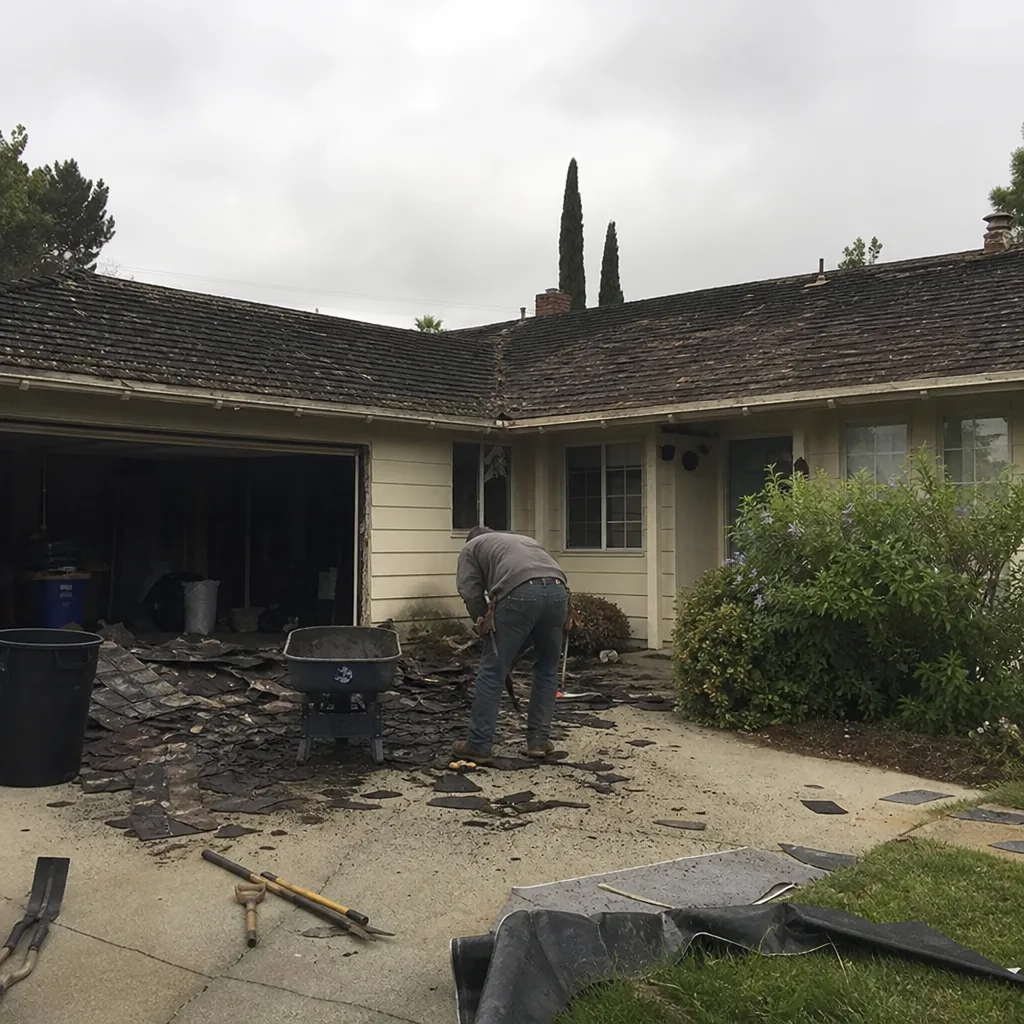 Before
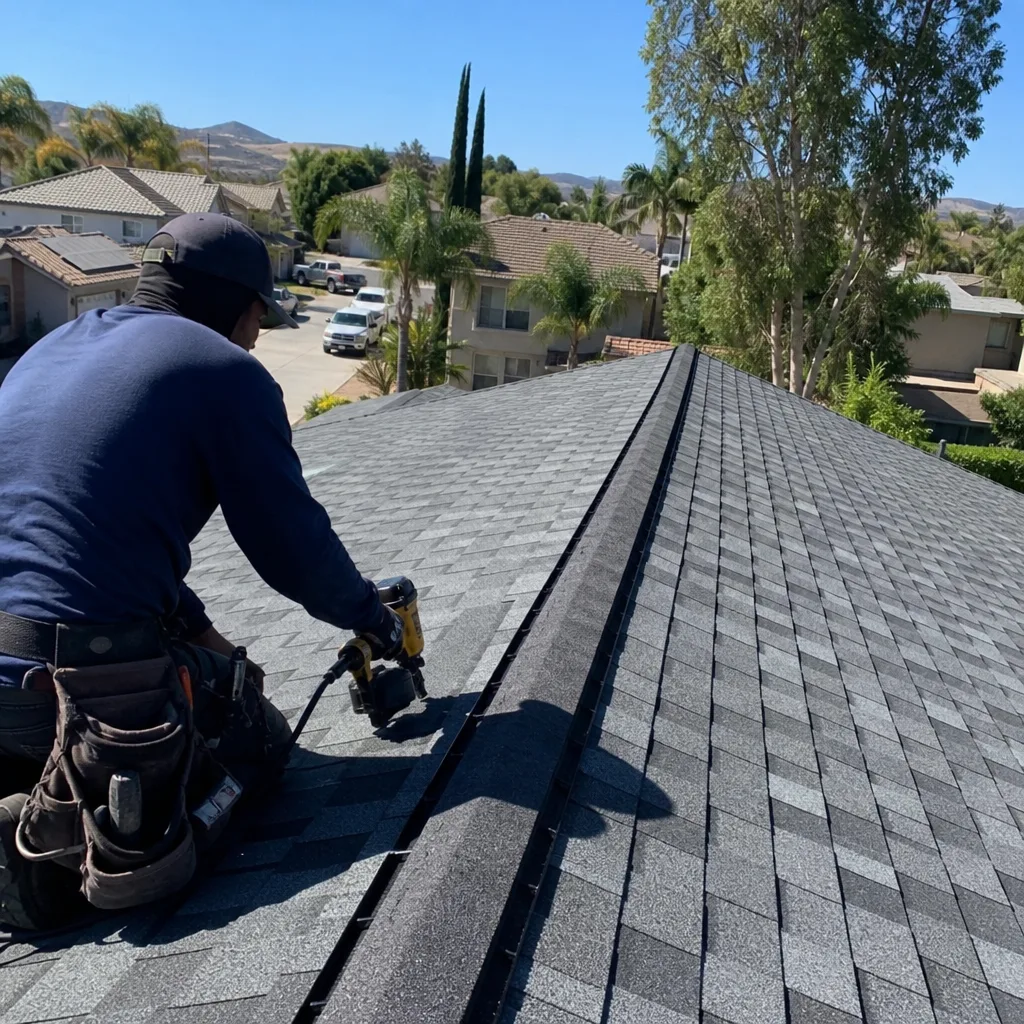 After
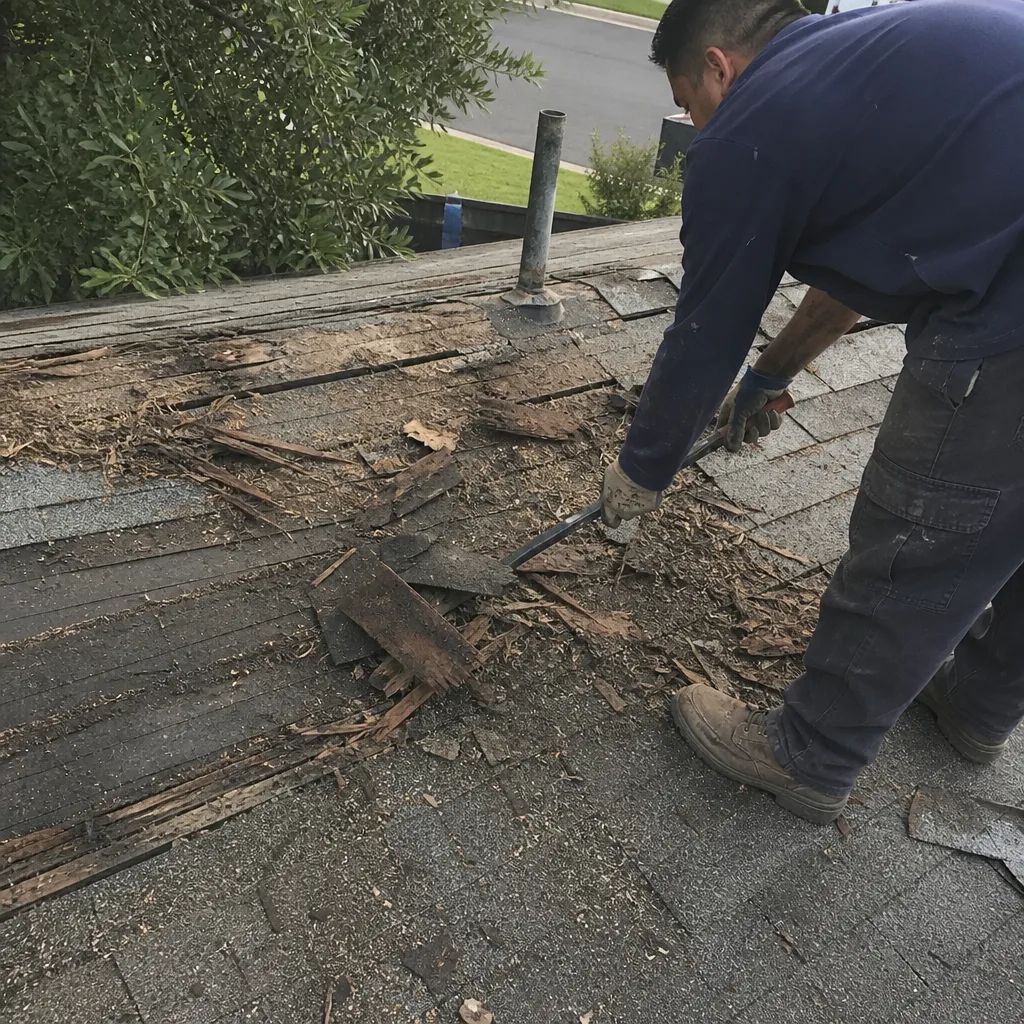 Before
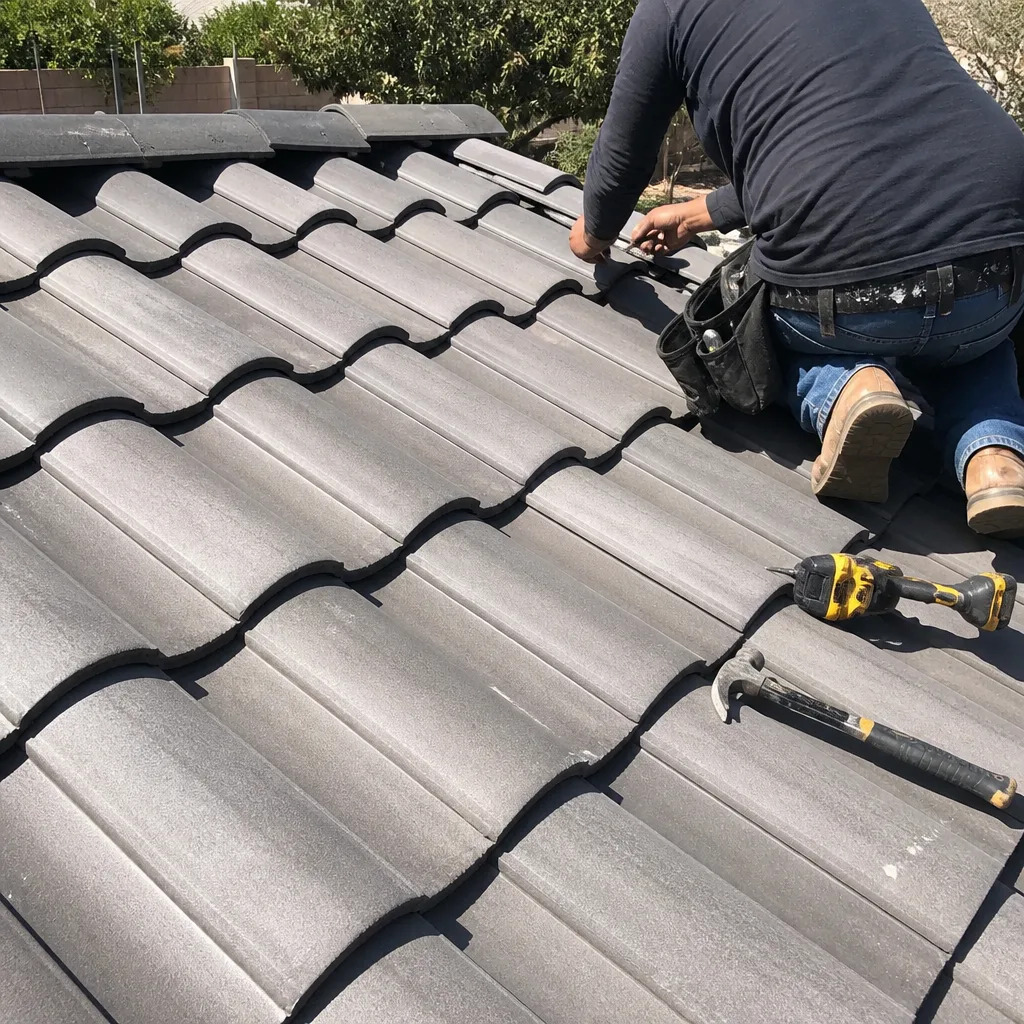 After
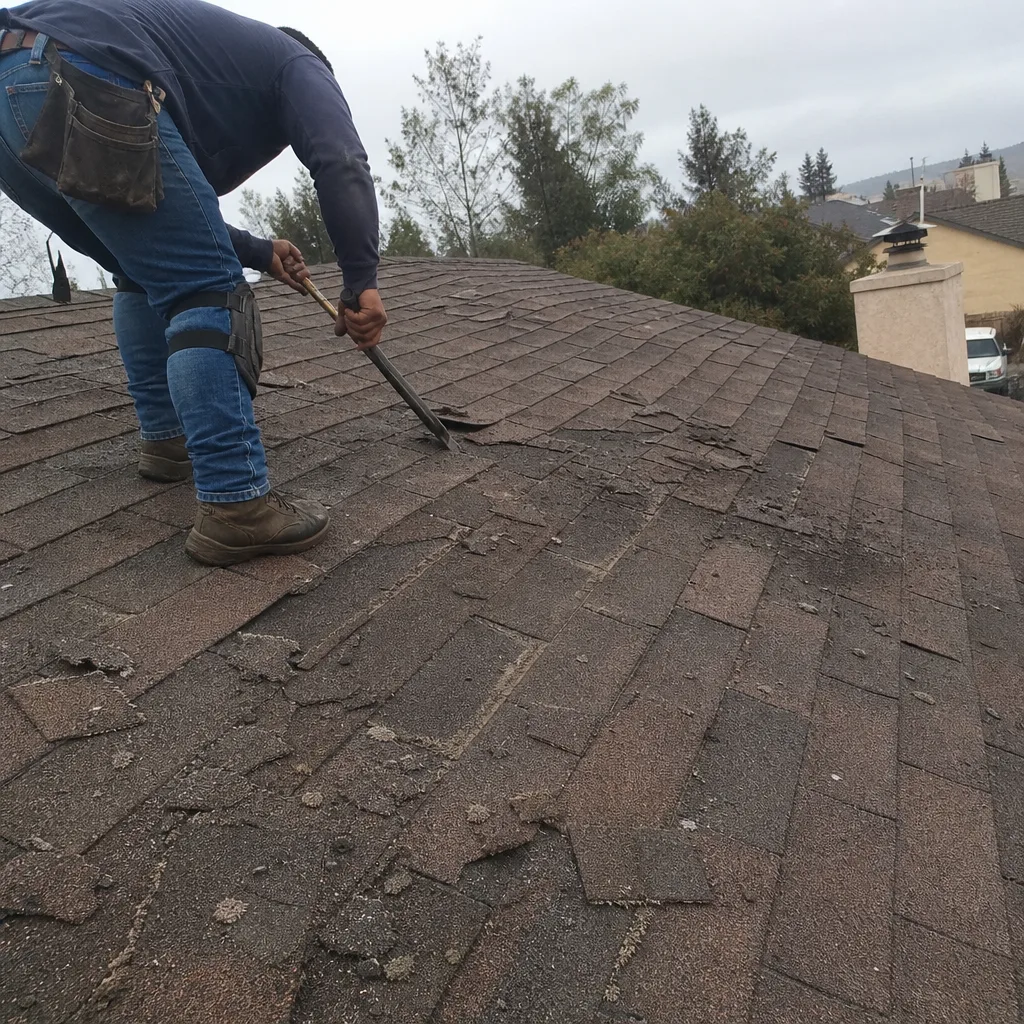 Before
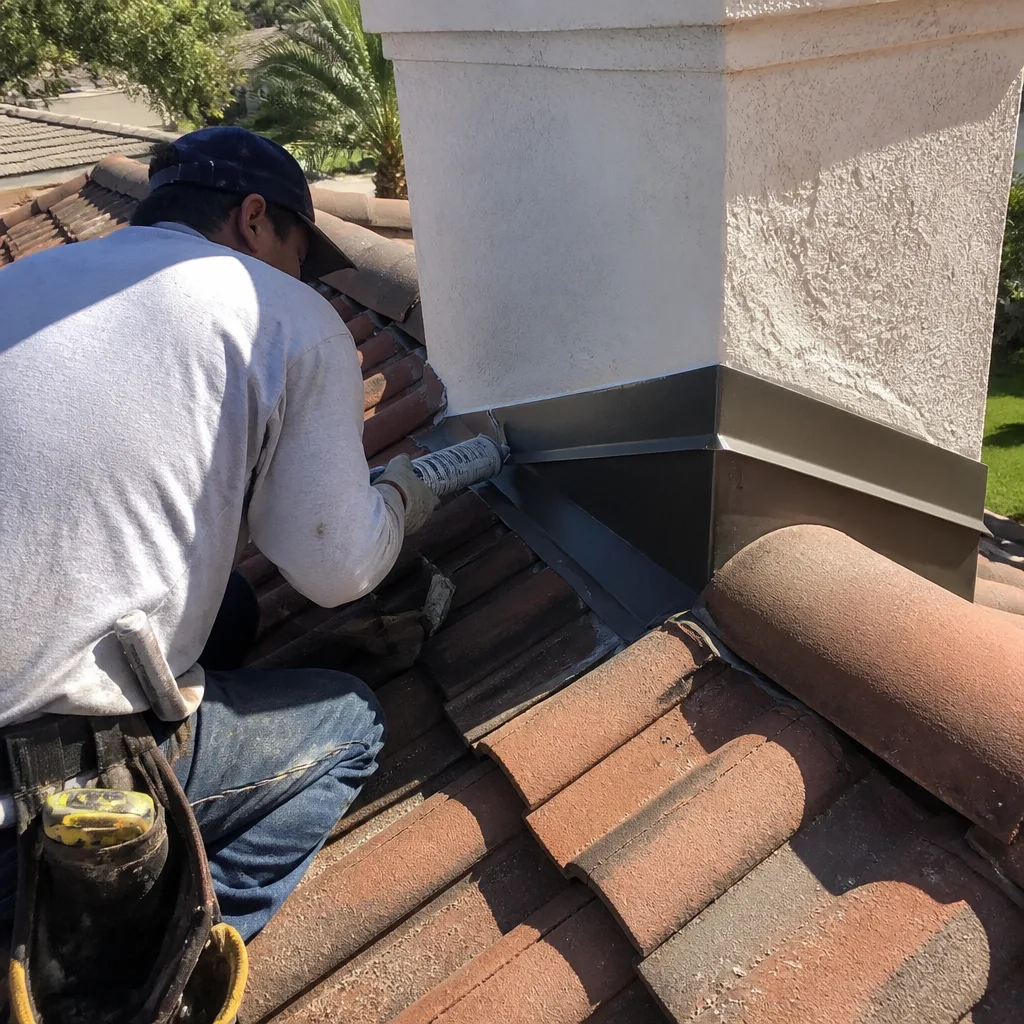 After