Last updated October 31, 2026
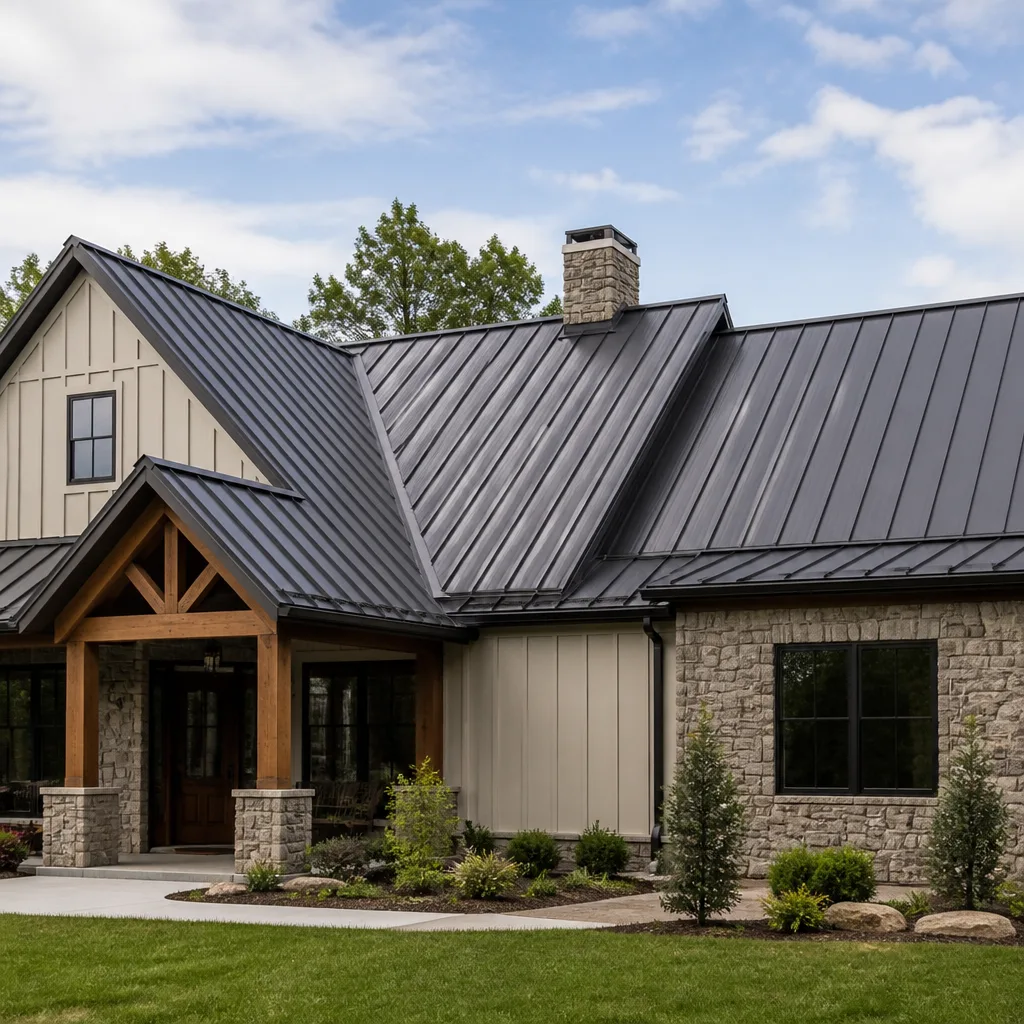 Metal roofing
 Architectural shingles
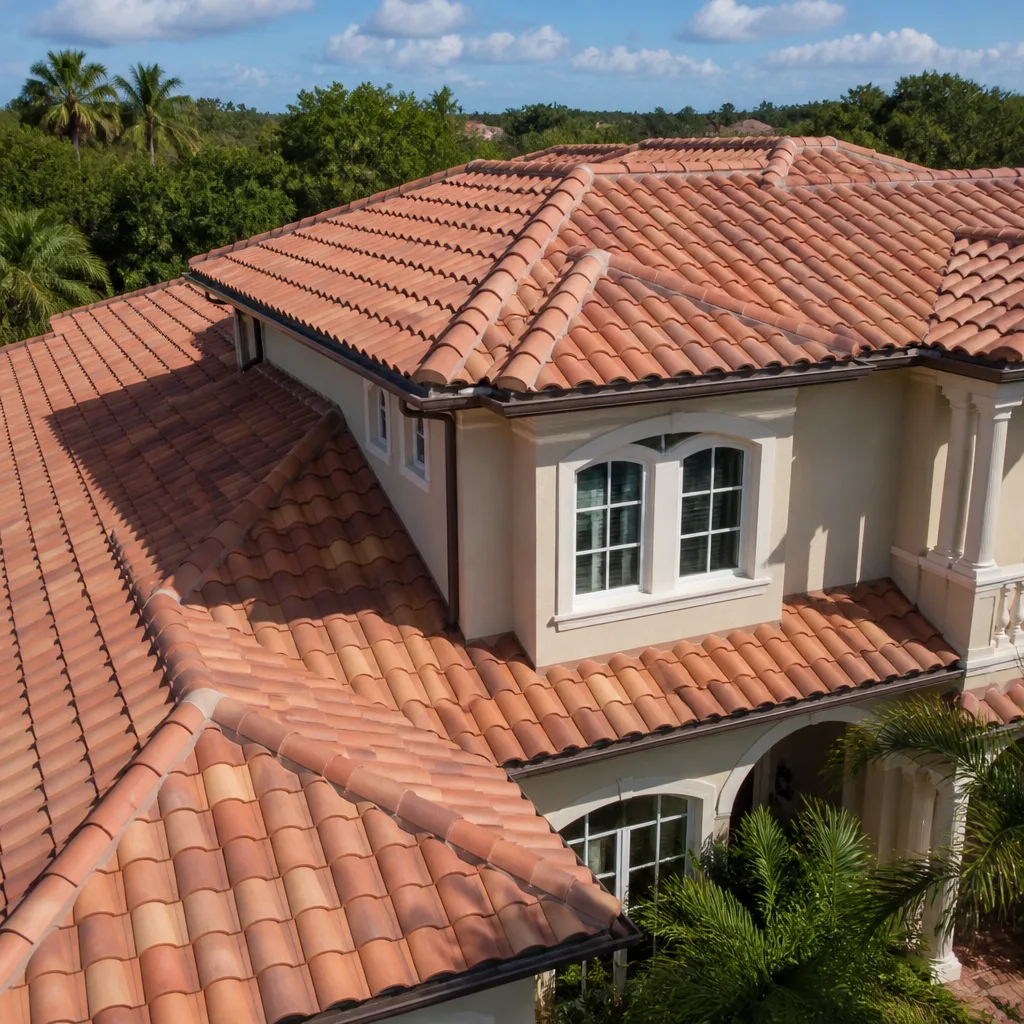 Tile roofing
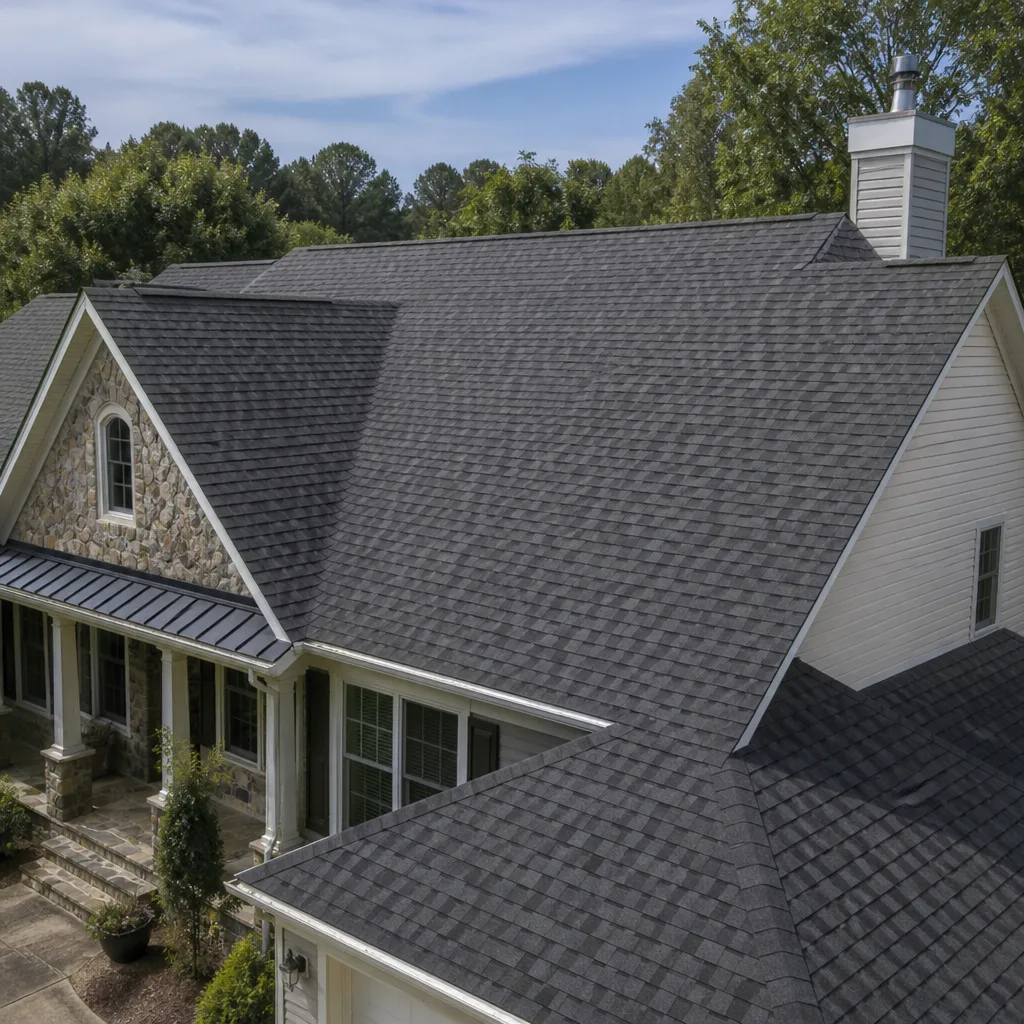 GAF
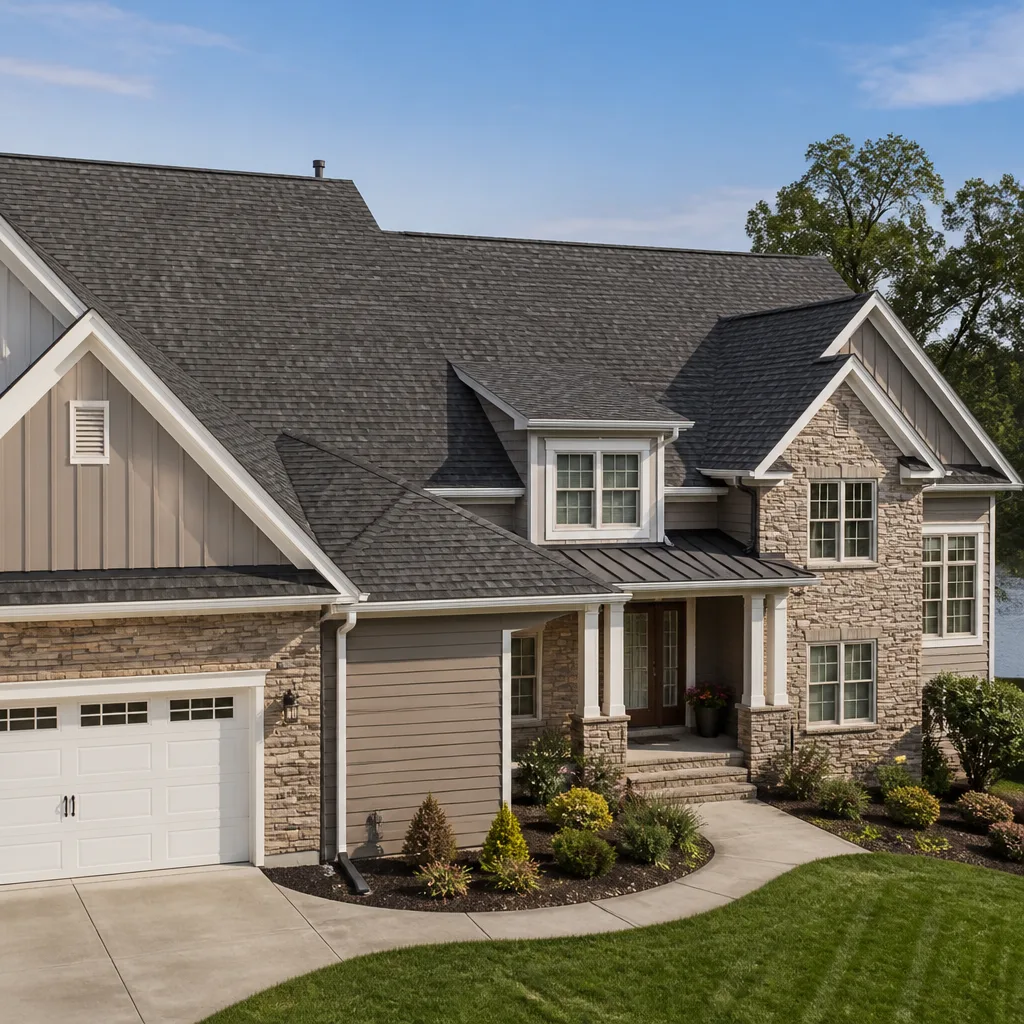 Owens Corning
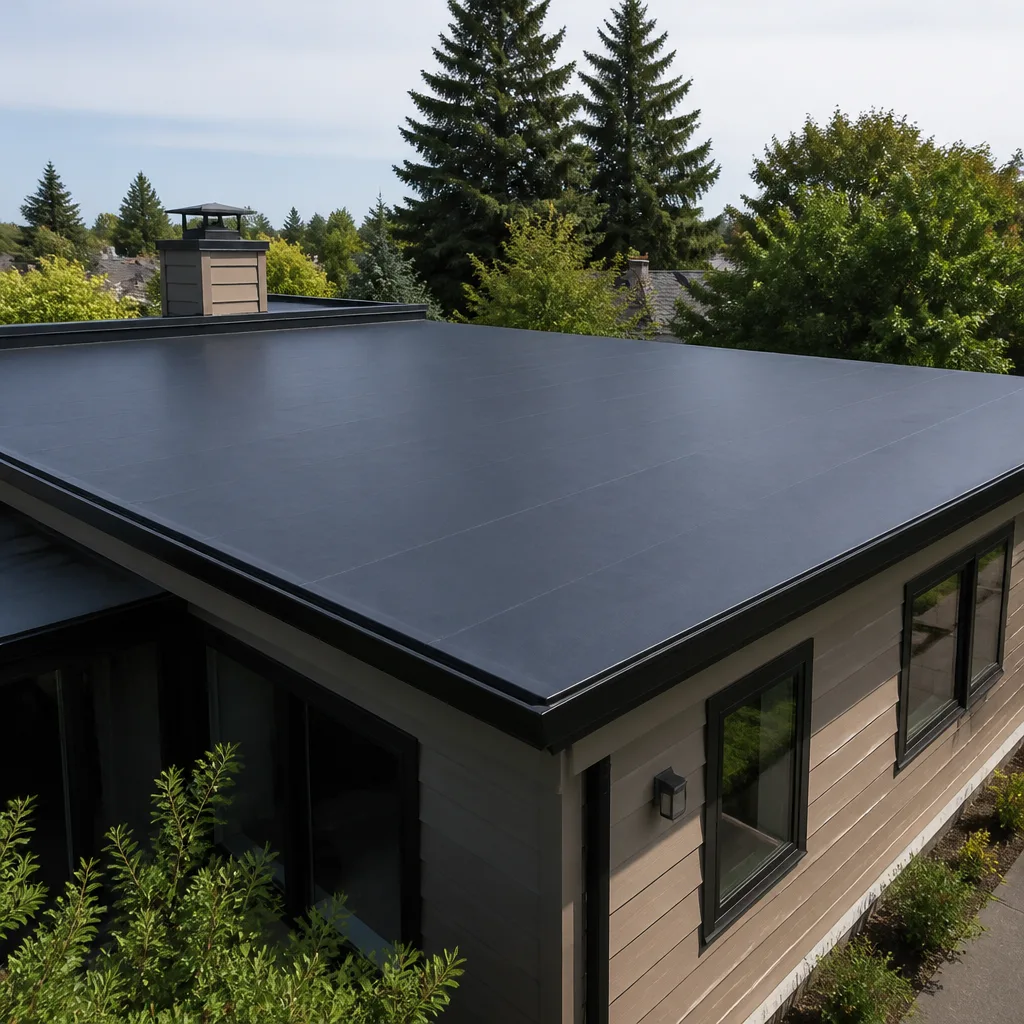 Flat & low-slope
Free roof inspection with deck photos before we talk money - GAF and Owens Corning certified installation
Seasonal Roofing Care for Corona: Year-Round Homeowner’s Guide
Most of the roof damage in Corona happens between September and November, not during the hottest months. That surprises a lot of homeowners. Summer’s relentless heat has already stressed your flashings and dried out your sealants by the time the Santa Ana winds arrive in early fall. Those winds then exploit every weak point the heat created. This Complete Guide to Roofing in Corona walks you through what actually happens to roofs across the year and what to do about it, season by season.
Styles & brands we work with
Quick Answer
Seasonal roof care in Corona revolves around three threat windows: the intense UV and heat season from May through September, the Santa Ana wind window from September through November, and a brief but damaging wet season from December through February. A practical annual schedule means checking ventilation before summer, sealing and reinforcing flashings before Santa Ana season, and inspecting for moisture damage immediately after the rains stop.
Table of Contents
- Corona’s Real Roof Threat Windows
- Pre-Santa Ana Preparation Checklist
- Summer Heat Management and Attic Ventilation
- Post-Rain Inspection Priorities
- Assessing and Sealing Flashings After Thermal Cycling
- Spring UV Damage Assessment
- Common Mistakes to Avoid
- When to Call a Professional
- Frequently Asked Questions
- The Bottom Line
Corona’s Real Roof Threat Windows
Forget the four-season model. Corona’s climate operates on a different calendar, and your roof care should too. The city sits inland enough to avoid the coastal marine layer that moderates temperatures closer to the Pacific. That means roofs here endure sustained heat that coastal Orange County roofs never see. We’ve measured attic temperatures in Corona that exceed 140 degrees during July and August afternoons. That kind of heat does things to roofing materials over time.
Here’s how the threat windows actually break down:
- May through September: Intense UV exposure and thermal cycling. Shingles expand during the day and contract at night. Sealants dry out. Flashings work loose. The damage is incremental but cumulative.
- September through November: Santa Ana winds arrive. Peak gust season typically runs October into early November. Winds regularly exceed 40 mph in the foothill neighborhoods and can reach 60-plus in the canyons. These winds strip shingles that summer heat already loosened and tear flashings that lost their seal.
- December through February: Corona gets most of its annual rainfall in a handful of storms, often heavy. A roof that survived summer and the winds now faces concentrated moisture. Leaks that start in December are usually the result of damage that happened in October.
- March through April: The quiet window. This is when smart homeowners assess the cumulative UV damage from the prior year and plan repairs before the next heat cycle starts.
Understanding this sequence changes how you prioritize maintenance. The generic “check your roof in spring and fall” advice misses the point entirely for a Corona homeowner.
Pre-Santa Ana Preparation Checklist
The single most important window on your roofing calendar is late August through early September. That’s your opportunity to catch and fix what summer heat has weakened, before the winds arrive to exploit it. In our experience, a homeowner who does this checklist in early September avoids about 80 percent of the wind-related damage we see each October. Here’s The Complete Roof Repair Guide for Corona Homeowners, in order of priority:
- Walk the roof perimeter with binoculars. You don’t need to climb up. From ground level or a ladder at the gutter line, scan for shingles that sit slightly proud of the surface, curled edges, or tabs that look misaligned. These are shingles that have lost their seal and will be the first to go in a 45 mph gust.
- Check all flashing points visually. Look at the chimney base, the pipe collars, the valleys where roof planes meet, and the edges around skylights. Summer heat causes the metal and sealant to expand and contract. By September, you’ll often see visible gaps or cracked sealant at these transitions.
- Clean the gutters and downspouts before the leaves drop. Corona has a surprising amount of tree cover in the older neighborhoods near the 91 and the Santa Ana River corridor. Clogged gutters in October mean water backs up against your fascia and eaves during the first real rain, which causes rot and invites roof-edge leaks.
- Check for loose tile in the older Spanish-style tracts. The neighborhoods south of the 91, particularly around Cresta Verde and the older developments near Santana Park, have a lot of concrete tile roofs. Tile doesn’t seal like shingle. A shifted tile exposes the underlayment beneath, and wind gets under it and starts removing neighbors. Walk the street and look for tiles sitting at odd angles.
- Trim branches that hang over or scrape the roof. Santa Ana winds will whip those branches against the shingles for hours. What sounds like minor scraping from inside the house is often enough to abrade the granule surface off shingles, which shortens their life by years.
If you find anything during this checklist that concerns you, that’s exactly what a roof repair in Corona is for. Small fixes in September cost a fraction of emergency repairs after a wind event. We’ve had customers in the Sycamore Creek area call us after October windstorms with entire sections of shingle missing because a handful of unsealed shingles started a peel-back chain reaction.
Summer Heat Management and Attic Ventilation
Corona summers don’t just make your air conditioner work harder. They age your roof faster than almost anything else. The mechanism is called thermal cycling. A dark asphalt shingle on a 100-degree Corona afternoon can reach 160 to 170 degrees. At night, it drops back to 65. That’s over 100 degrees of expansion and contraction, repeated daily for five months. Every cycle fatigues the shingle slightly. Over years, the asphalt in the shingle oxidizes, loses flexibility, and eventually cracks.
What most homeowners don’t realize is that attic ventilation directly affects this cycle. A poorly ventilated attic traps heat against the underside of the roof deck, which increases the temperature swing the shingles experience. Proper ventilation bleeds that heat out, reducing the temperature differential by 20 degrees or more. That’s meaningful.
What to Check Before Each Summer
- Confirm your soffit vents are not blocked. In older Corona homes, we regularly find soffit vents painted over or filled with insulation. If air can’t get in at the bottom, it can’t flow out at the top. The system stops working entirely.
- Check that ridge or box vents are clear. Bird nests, debris, and even stucco work can block upper vents. Look for visible airflow or have someone check with a smoke pencil.
- Verify insulation hasn’t migrated. Blown-in insulation can shift over time, especially in vaulted ceiling areas, blocking the path between soffit and ridge.
- Consider your roof color on the next replacement. Dark shingles absorb more heat. Lighter colors, particularly in brands that offer reflective granule technology, reduce surface temperatures by 15 to 20 degrees in direct sun. Not a cure-all, but a meaningful factor in a Corona climate.
We carry seven major brands including GAF, CertainTeed, and Atlas, which lets us talk honestly about which materials hold up to inland heat better than others, without steering you toward whatever single brand we happen to stock. Some product lines are simply better engineered for high-UV climates, and the right call depends on your roof’s orientation, your attic’s configuration, and your budget. A roof inspection in Corona is a standalone service, not a sales appointment. It tells you exactly what your roof needs, including whether your ventilation is working or silently cooking your shingles.
Post-Rain Inspection Priorities
Corona’s rain comes hard and fast. The city averages about 12 to 14 inches per year, but most of that lands in three or four storm events between December and February. That concentrated moisture pattern means leaks develop differently here than in a climate with steady year-round rain. Pinhole cracks in flashings that didn’t leak during light drizzle will absolutely leak during a two-inch atmospheric river event.
After any storm that drops more than half an inch of rain, do this:
- Check ceilings and upper wall corners inside. Look for water stains, paint bubbling, or a faint ring that’s damp to the touch. In particular, check the rooms directly under valleys, any dormer transitions, and corners on the second floor.
- Inspect the attic with a flashlight. Look for dark staining on rafters, damp insulation, or actual drips. Do this within 24 to 48 hours of the storm, since the evidence can dry and disappear.
- Walk the exterior and look at the gutters. After a heavy rain, granule loss shows up in the gutter as a fine grit. A little is normal. Visible piles at the downspout elbows indicate accelerated shingle degradation.
- Check the north-facing roof slope. In Corona, north slopes get far less sun, which means they dry slower. Moss and algae are rare in this climate, but organic debris accumulates faster on shaded slopes and holds moisture against the shingles. That’s the slope where premature failure starts.
- Look for water stains around chimney flashings. Chimneys are the most leak-prone transition on any roof because they penetrate the roof plane at a point where four different materials and two different trades converge. We see more post-rain leaks originating at chimneys than anywhere else in Corona.
If you find evidence of water intrusion, don’t wait. The next storm is coming, and a small leak becomes a ceiling repair very quickly. Call us at (866) 942-4187 and we’ll diagnose it honestly, whether it’s a simple reseal or something more comprehensive.
Assessing and Sealing Flashings After Thermal Cycling
Flashings are the metal or rubber transitions where the roof meets something vertical: a chimney, a wall, a skylight, a vent pipe. They’re sealed with flexible compounds to keep water out. Here’s what inland heat does to them: a summer in Corona subjects flashing sealant to repeated expansion and contraction cycles that gradually crack the sealant and separate it from the metal. By September or October, many flashings in Corona have microscopic gaps that you can’t see from the ground. They’re not leaking yet, because it hasn’t rained. But the first big December storm finds every one of them.
How to assess your flashings after the summer cycle:
- Visual inspection for visible gaps. From a ladder at eye level with the flashing, look for separation at the top edge of the sealant, cracks in the caulk, or oxidized metal that has started to pull away from the roof surface.
- Gently probe with a soft tool. We use a plastic putty knife, not a screwdriver. If the sealant is brittle, it flakes away. If it’s still flexible, it’s probably doing its job for another year.
- Inspect the rubber boot around plumbing stack pipes. These rubber collars have about a 10 to 12 year lifespan in a high-UV climate like Corona. The sun dries them out until they crack, and rain pours straight down the pipe into the house. If yours are cracked or chalky, they need replacement.
- Check the mortar cap and crown on chimneys. Brick and mortar assume water, but a cracked crown lets water into the chimney chase itself. That damage accumulates independently of the roof flashing and eventually shows up as a leak around the base of the chimney.
- Granule loss. The stone granules on an asphalt shingle protect the asphalt itself from UV. When granules loosen and wash away, the asphalt is unprotected and begins to oxidize directly. Look for smooth patches on shingles where the texture has worn away, visible asphalt underneath, and accumulation of granules in the gutter.
- Curling and cupping. As the shingle’s asphalt degrades, the edges begin to curl upward. This exposes more surface area to wind and makes the shingles more likely to tear away during the next Santa Ana season. Curling shingles in spring are a sign the roof is in the final third of its service life.
- Blistering. In the hottest parts of a Corona roof – typically the west-facing and south-facing slopes – trapped moisture in the shingle can vaporize and create small blisters. They look like tiny craters in the shingle surface. A few are cosmetic. Widespread blistering means the shingle is failing.
- Fading and color inconsistency. Color change is normal over years. But if you notice one section of your roof fading significantly faster than another, it often indicates that section has a different moisture or ventilation profile, or that the original install used shingles from different manufacturing lots.
- Caulking over failed flashing instead of replacing it. We see this on houses all over Corona because it’s the fastest and cheapest fix. Sealant over cracked flashings doesn’t address the underlying failure. The next hot summer or strong wind reopens the gap, and now the old sealant interferes with the new sealant’s adhesion.
- Ignoring an aging roof until it leaks. By the time water penetrates the roof deck, you have a repair bill that includes roof work plus structural, insulation, drywall, and possibly mold remediation. Corona’s dry climate hides slow leaks for months; but the dry rot and damage continue during that time.
- Power-washing a roof to remove staining. Some contractors offer roof cleaning with pressure washers. It strips granules, forces water under shingles, and can void the manufacturer’s warranty. If your roof is stained with algae or debris, the right approach is careful inspection and, if cleaning is appropriate, low-pressure methods only.
- Sealing attic ventilation in the name of energy efficiency. Some homeowners, trying to reduce AC costs, block or close vents thinking they’re trapping cool air. They’re actually trapping heat against the roof deck and accelerating shingle failure. Proper attic insulation and ventilation work together; one without the other is a problem.
- Postponing post-rain inspection because “everything looks fine from the outside.” The earliest signs of a roof leak appear inside the attic or on your ceiling, not on the roof surface. By the time water is visible from the exterior, the interior damage is typically well advanced.
- Replacing the roof with whatever the contractor happens to stock. In a market where many contractors install only one brand, you’re limited to whatever that brand’s pricing and warranty tiers offer. Carrying seven major brands, including Tamko, Boral, and Owens Corning, lets us recommend the material that fits your actual situation, not just what’s in the warehouse. From a single damaged shingle to a full tear-off and replacement, Orange County Roofing Co’s home page walks through how we work.
When flashings have reached the end of their service life, the right fix is usually replacement, not more caulk. Adding sealant over cracked, failing flashing compound is a temporary patch that often fails again within a year. A roof replacement in Corona is sometimes the right call when flashings across an older roof have all reached the same end-of-life point, but many times isolated flashing repair is all you need. The honest answer depends on the overall condition of the roof, not on what’s more profitable to the contractor.
Spring UV Damage Assessment
By late March, the rains have passed and the next summer hasn’t yet arrived. This is your window to assess what last year’s UV radiation did to your roof. The damage is cumulative and slow, but spring is when you catch it before it compounds.
UV damage in Corona primarily shows up as:
A spring assessment is the cheapest time to identify problems. A roof inspection in Corona after the wet season gives you a clear picture of what the summer and the previous winter did to your roof, and what you should address before the next heat cycle. Inspection is a standalone service at Orange County Roofing Co: it tells you exactly what your roof needs, nothing more. If the answer is minor repair, we’ll tell you that. If the answer is that the roof is nearing replacement, you deserve to know that now, not when a leak forces the decision for you.
Common Mistakes to Avoid
When to Call a Professional
You can, and should, monitor your roof from the ground or a ladder. But there are situations where professional assessment is the right call. If you see multiple missing shingles after a windstorm, don’t climb onto the roof to investigate further. Damaged roofs have reduced structural integrity, and a fall from even a single-story Corona home can be life-changing. Call us at (866) 942-4187 and we’ll come out, assess the damage, and give you a clear written quote before any work begins. If you’ve spotted water stains inside your home in more than one location, or stains that appear to be growing between storms, you’re past the point of visual-only diagnosis. Orange County Roofing Co offers free estimates in Corona, and we carry the manufacturer-backed warranty tiers across multiple brands so you can choose the right roofing brand for your situation, not one that fits a single brand’s margins. The right material, backed by the manufacturer’s own warranty, and a team that handles inspection, repair, and replacement under one roof.
Frequently Asked Questions
Once a year, ideally in the spring after the wet season ends. A spring inspection catches UV damage and winter moisture issues before the next summer heat cycle compounds them. If your roof is more than 15 years old, or if you’ve had wind damage during a previous Santa Ana season, twice-yearly inspections make sense. Call (866) 942-4187 to schedule yours.
Heat does more cumulative damage to your roof in Corona. Thermal cycling breaks down shingles, flashings, and sealants over years. Rain becomes a serious problem only when heat has already created the entry points. In a hot, dry climate like Corona, the damage that leads to a leak often happens months before the first drop of water enters the house.
Yes. Santa Ana winds arrive just as the summer’s thermal stress has weakened flashings and loosened shingle seals. The winds then exploit those weaknesses. Most of the wind-related emergency calls we receive in Corona come in October and early November, during the peak Santa Ana window.
You can do a meaningful visual check from ground level using binoculars. Look for curled shingle edges, missing tabs, visible flashing gaps, and tiles sitting at odd angles. Use a ladder only at the gutter line, and stay off the roof surface. Steep slopes and damaged surfaces are genuinely dangerous, and that’s what professional inspections are for.
Most asphalt shingle roofs in Corona last 15 to 20 years under normal conditions. Roofs with poor attic ventilation, prolonged direct sun exposure on dark shingles, or poor installation can fail in 12 to 15 years. Higher-quality shingle lines designed for high-UV climates can stretch toward 25 years. The material you choose and the attic’s ventilation determine the actual number.
Inspection pricing varies, but Orange County Roofing Co offers roof inspections as a standalone service with transparent pricing. You don’t need to be planning a replacement to schedule one. Call (866) 942-4187 for current pricing, and we’ll give you an honest assessment of your roof’s condition without inventing work that doesn’t need doing.
The Bottom Line
Corona roofs fail on a predictable schedule: summer heat weakens them, Santa Ana winds finish the job, and winter rain exposes the damage. Protecting your roof means working with that schedule, not against it. Your most important actions are the early-September Santa Ana preparation, the summer ventilation check, and the post-rain interior inspection. Handle those three consistently, and you’ll catch most problems while they’re cheap to fix. Skip them, and you’ll discover most problems as emergency calls after a storm, when the costs are highest and the options are fewest. We’re here when you need an honest assessment. Call (866) 942-4187 to schedule a free estimate.
Written by the team at Orange County Roofing Co, serving Corona since 2015.
See the difference
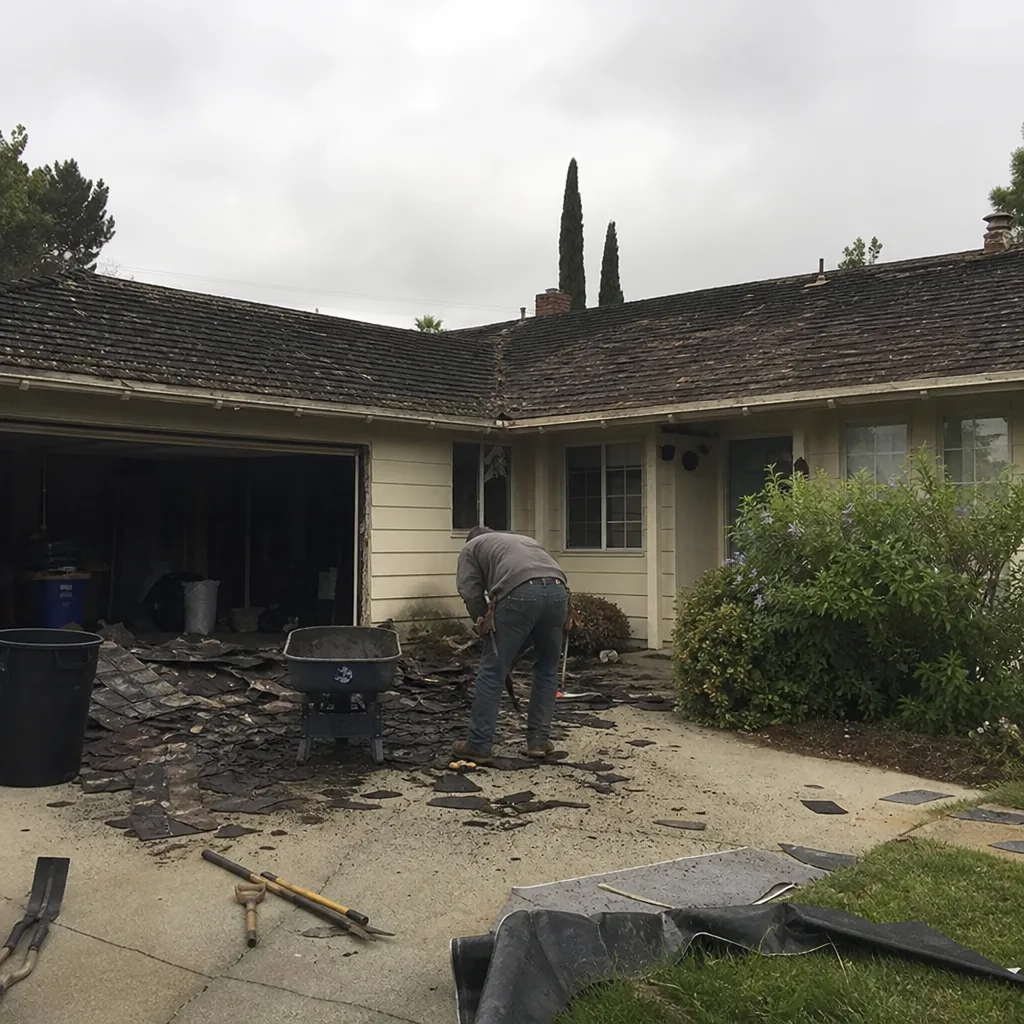 Before
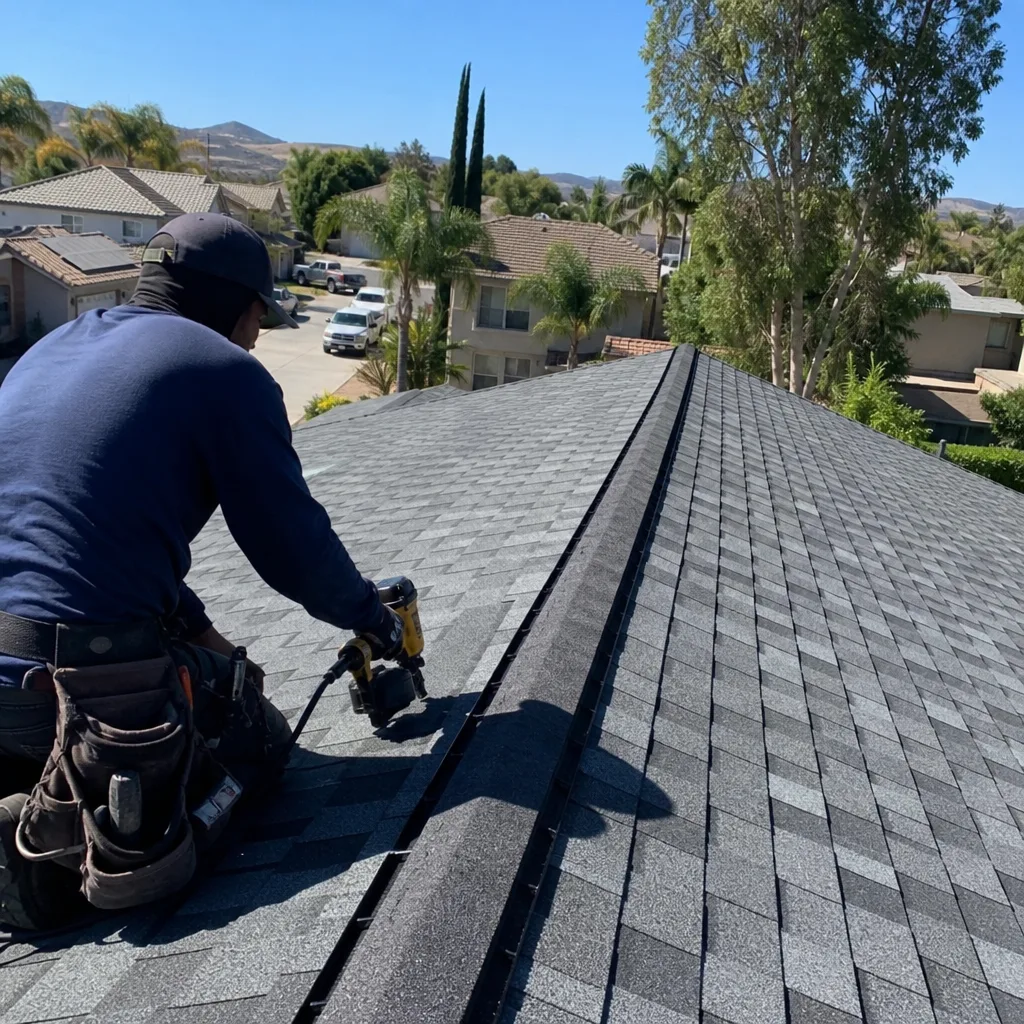 After
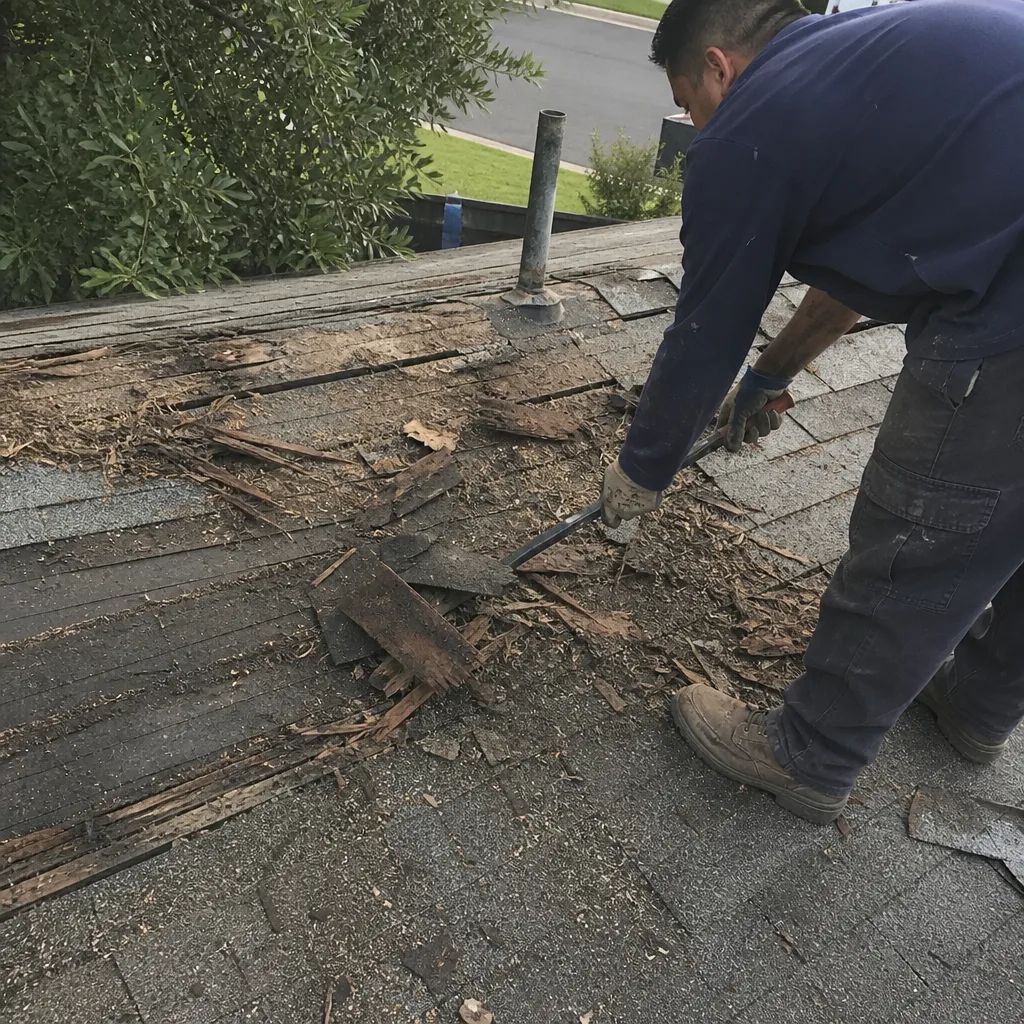 Before
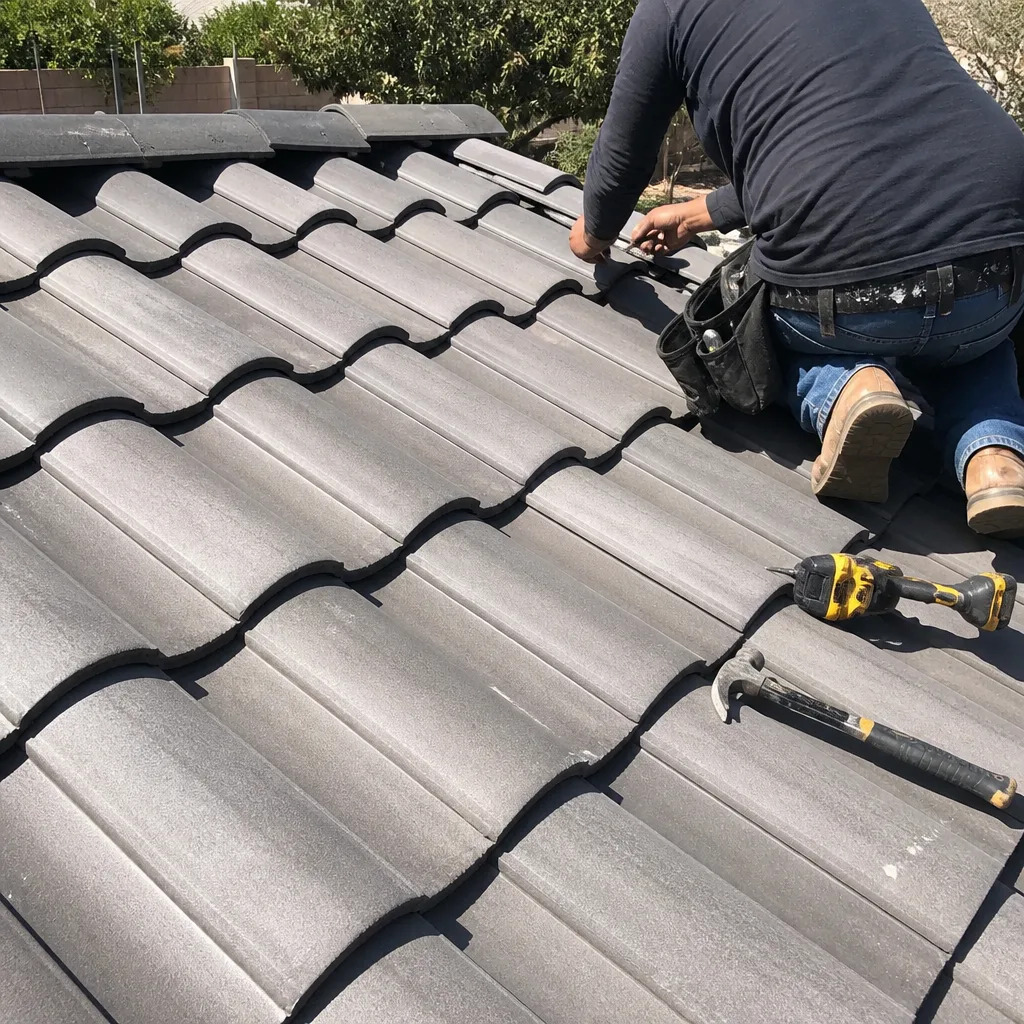 After
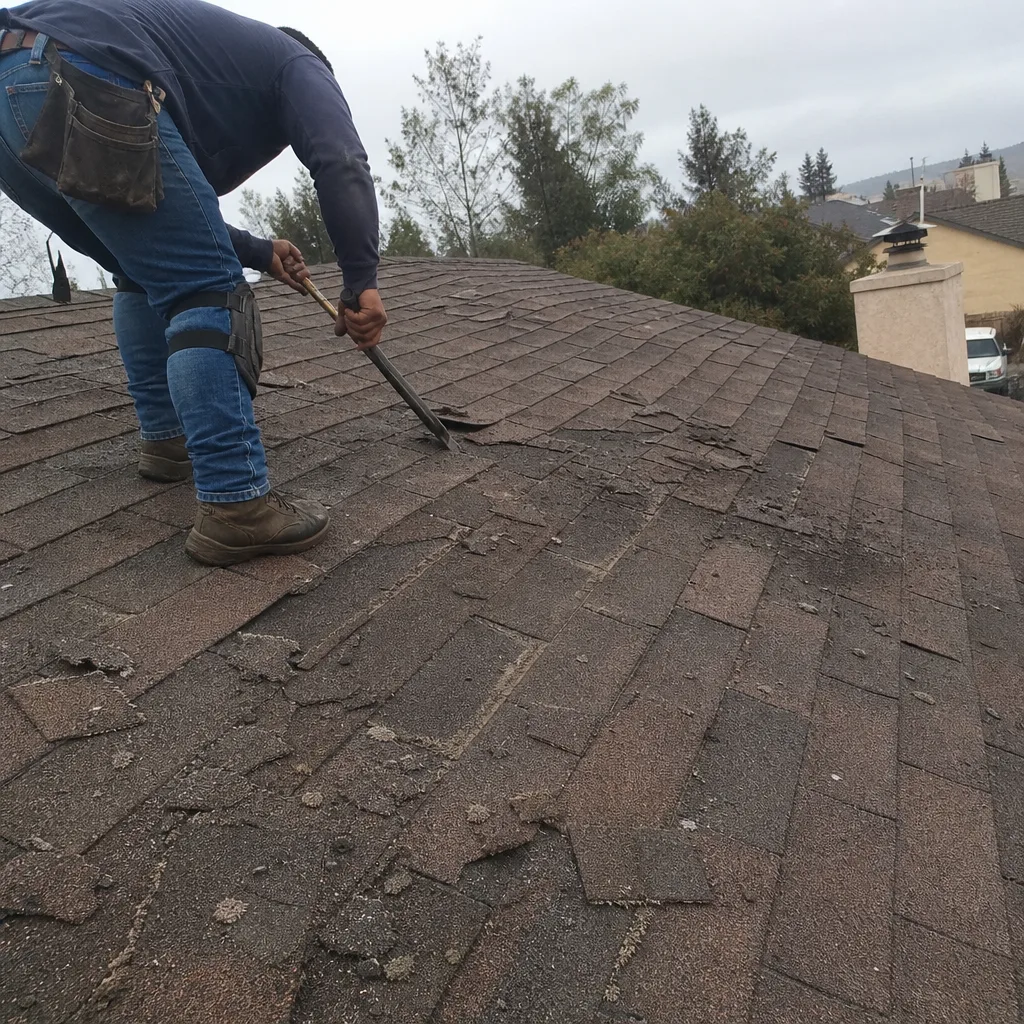 Before
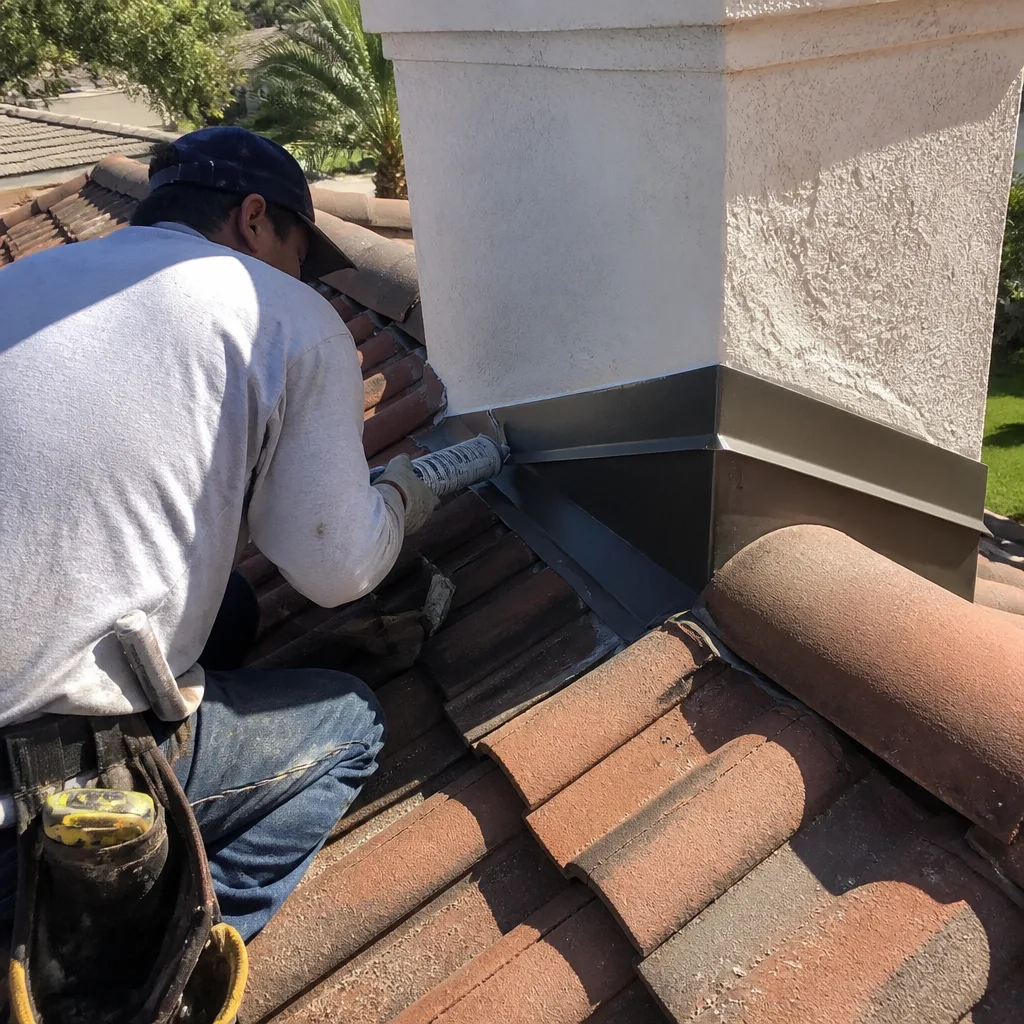 After