Last updated October 31, 2026
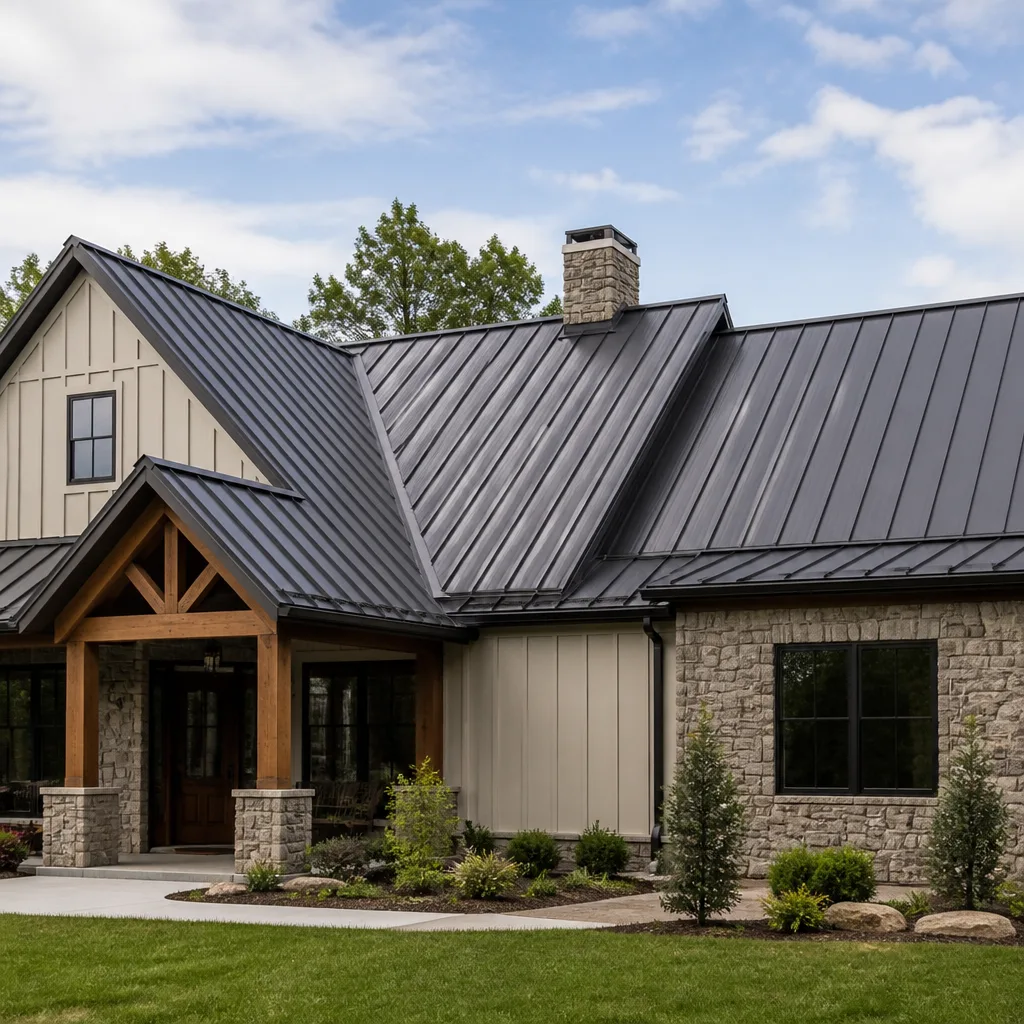 Metal roofing
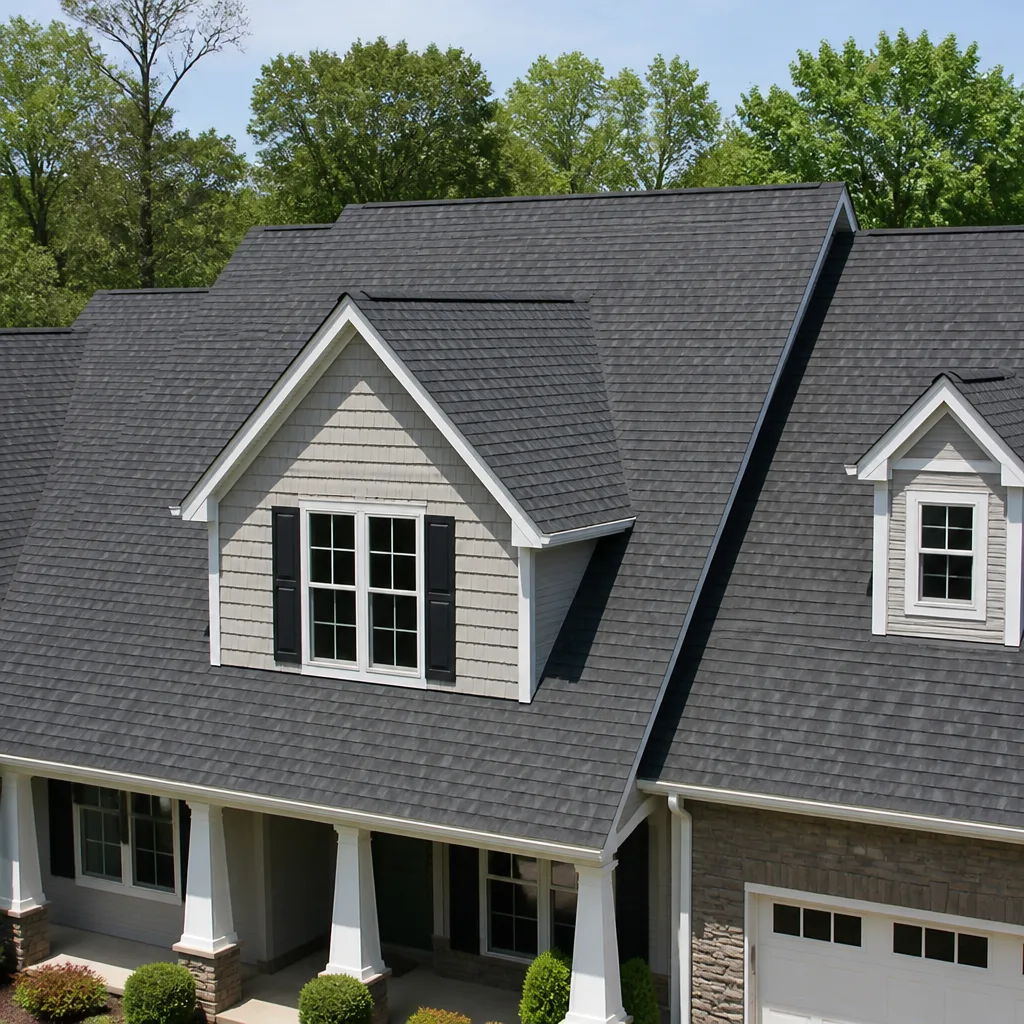 Architectural shingles
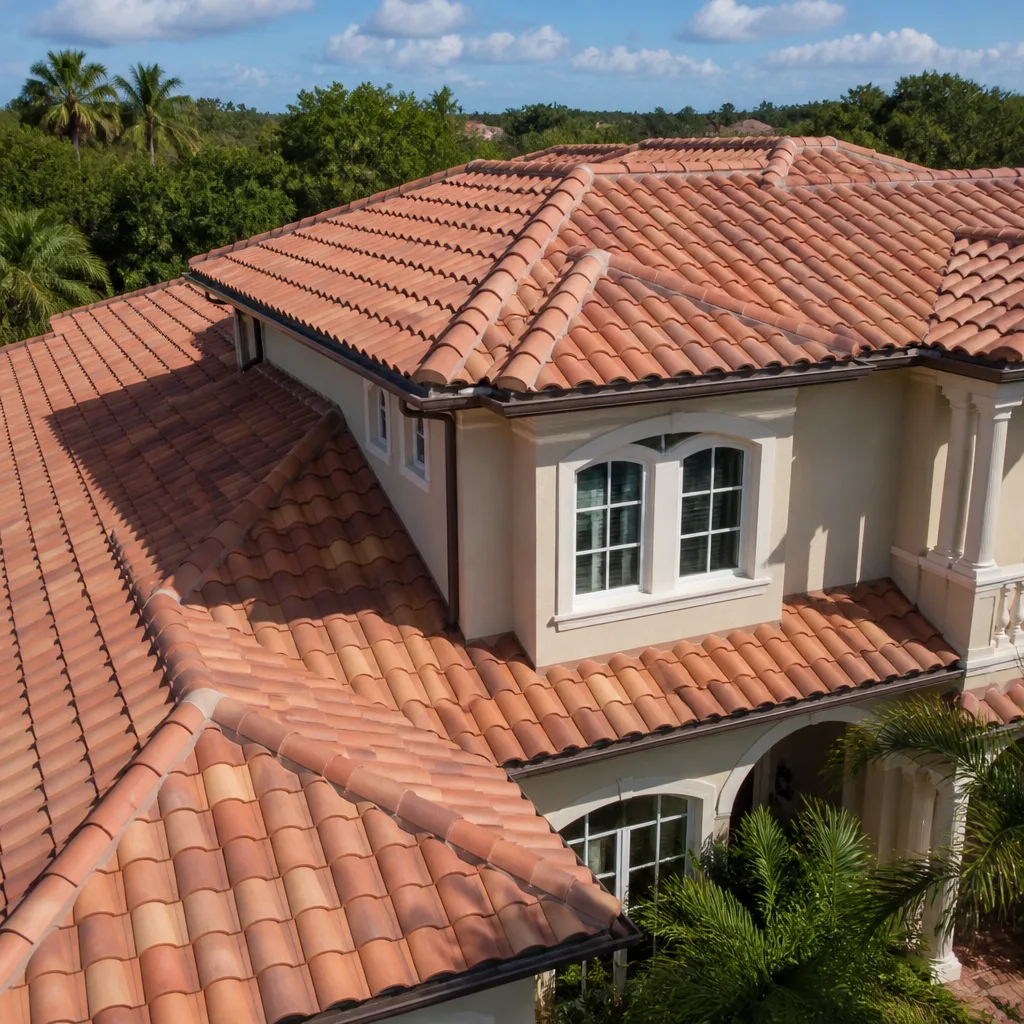 Tile roofing
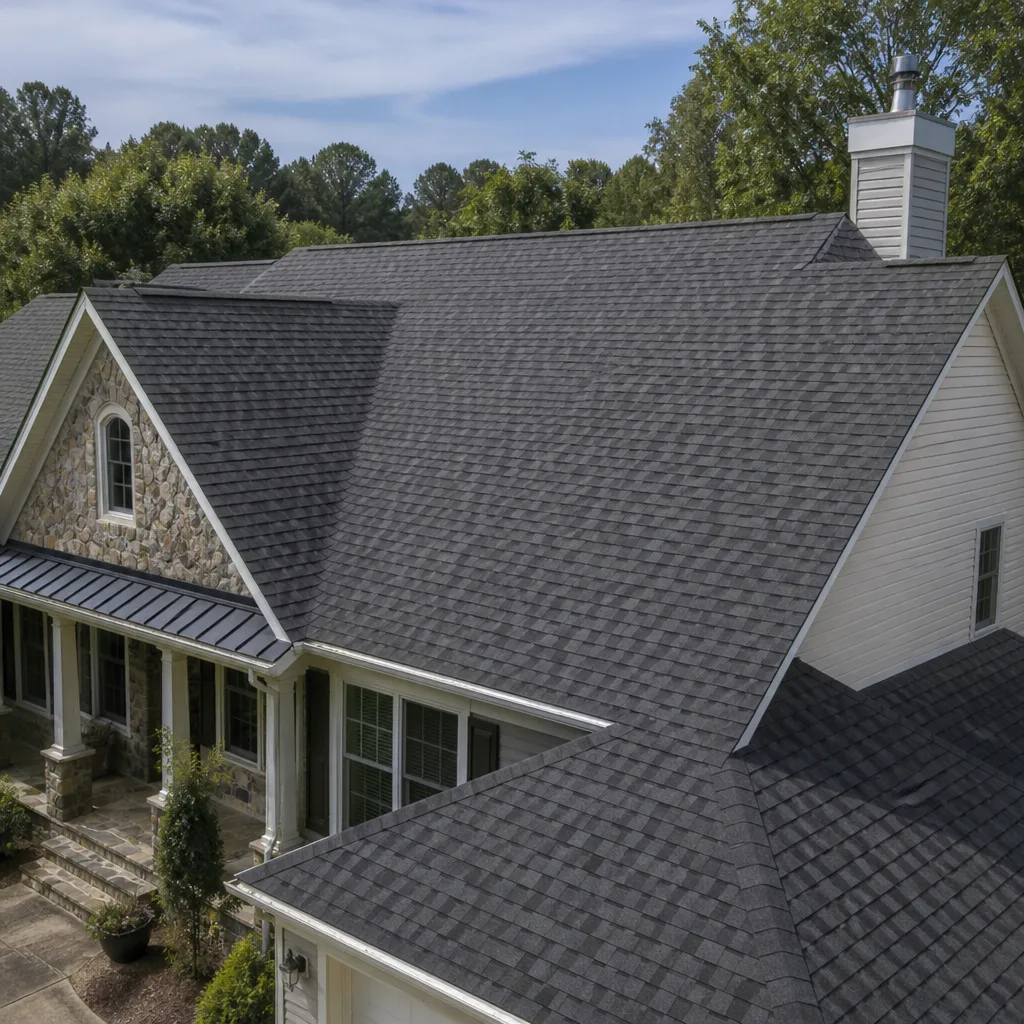 GAF
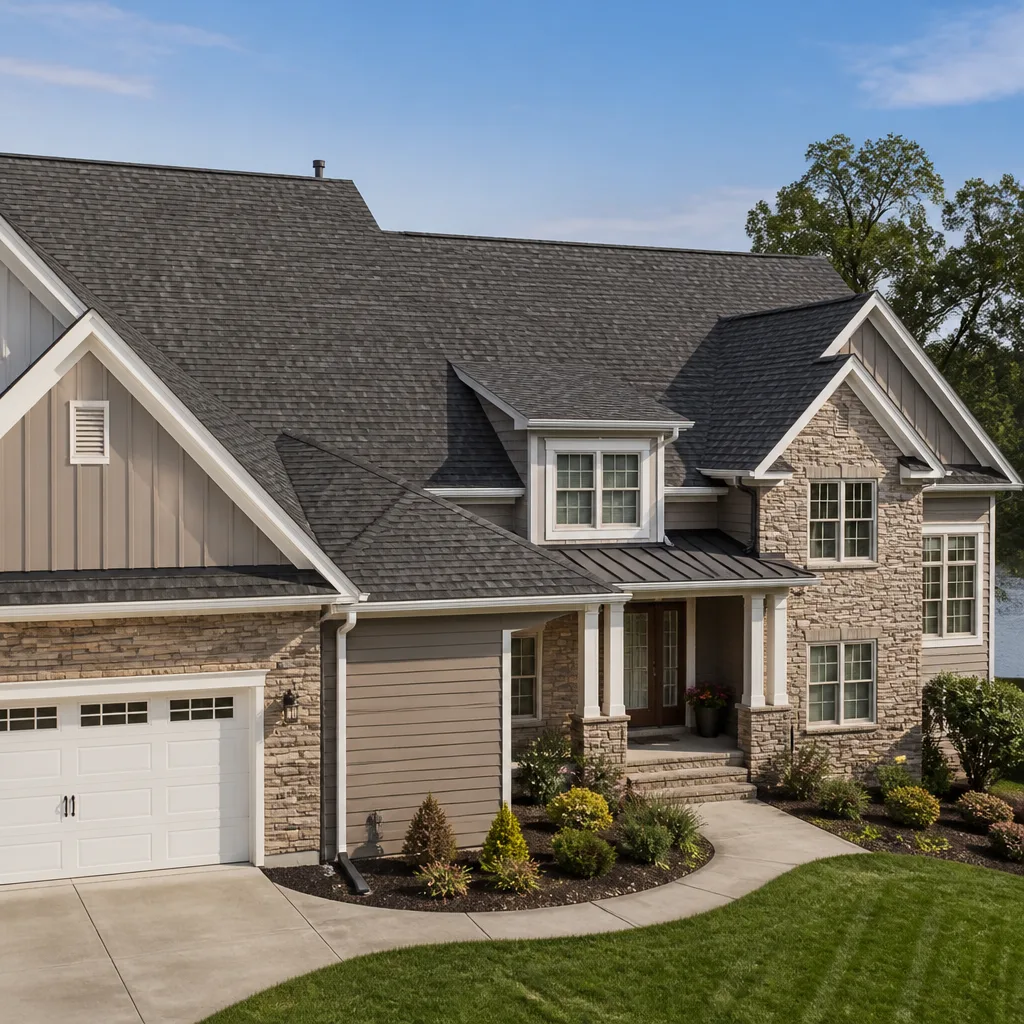 Owens Corning
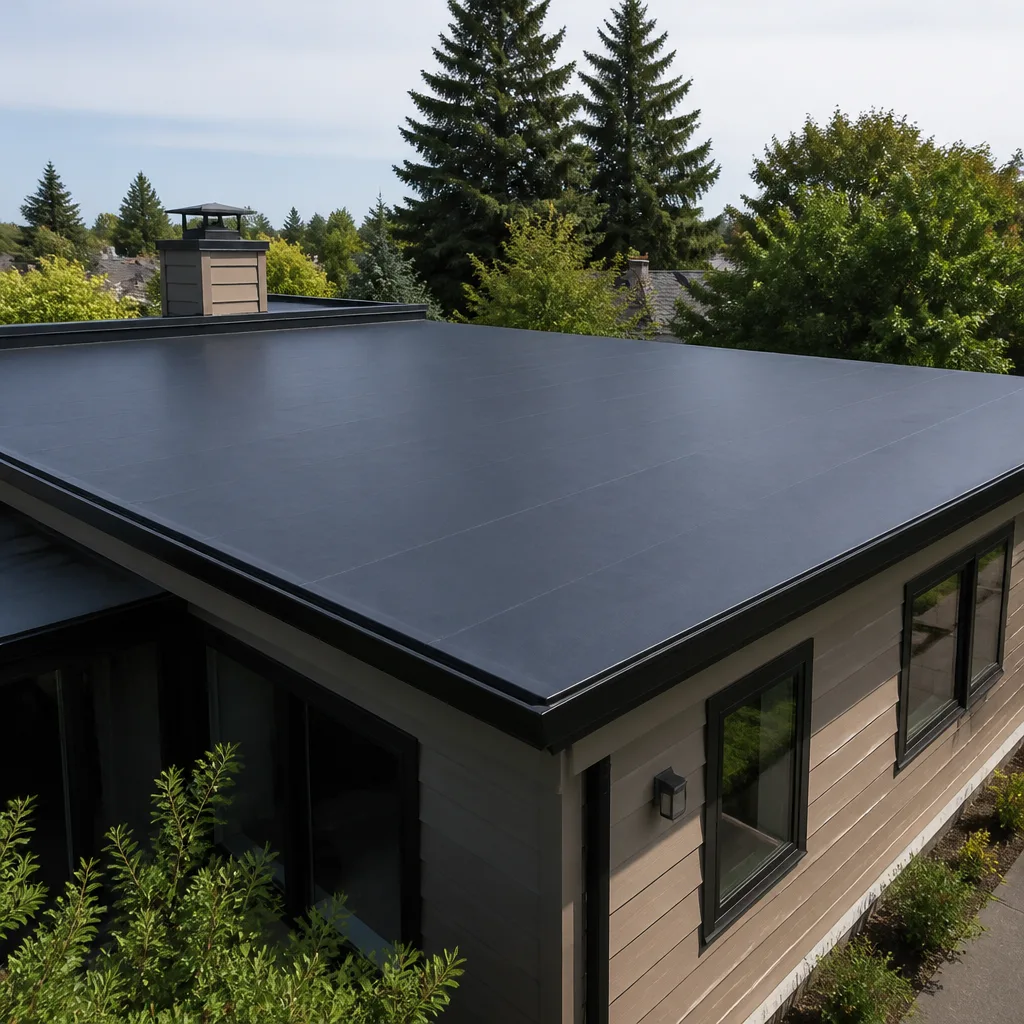 Flat & low-slope
Free roof inspection with deck photos before we talk money - GAF and Owens Corning certified installation
Choosing the Right Roofing Brand: A Buyer’s Guide for Corona
Here’s a fact most roofing brand marketing won’t tell you: the 50-year warranty on a premium shingle in Corona is worth exactly as much as the manufacturer’s regional claim process. And two of the most heavily promoted brands in Southern California have claim dispute rates that experienced local contractors quietly flag to clients before a single bundle gets loaded onto the roof. This guide walks through the seven major shingle brands we install, but for a deeper dive, see The Complete Guide to Roofing in Corona; more importantly, it surfaces the three metrics that actually predict how a roof performs in inland Corona heat: solar reflectance rating, wind resistance class, and algae resistance. If you’re weighing a roof replacement in Corona, the decision matters more here than in coastal markets, because our summers punish underperforming materials in ways a spec sheet alone won’t reveal.
Quick Answer
The best roofing brand for your Corona home depends on three factors: your roof’s sun exposure, your budget for labor-inclusive warranty coverage, and how long you plan to own the home. For most Corona homeowners, a mid-tier architectural shingle from a brand with strong Inland Empire distribution and a contractor-certified install path delivers better value than a premium brand with a longer paper warranty but weaker regional claim support. We install all seven major brands without preference, which means our recommendation is guided by your roof’s actual conditions, not a supplier contract.
Styles & brands we work with
Table of Contents
- Why Warranty Length Matters Less Than You Think in Corona
- The Three Metrics That Actually Predict Roof Performance
- How the Seven Major Brands Compare on the Metrics That Matter
- What Contractor Certification Programs Actually Mean
- When a Mid-Tier Brand Beats a Premium Brand (and When It Doesn’t)
- Why Regional Distribution Determines Consistency
- The Labor Coverage Gap Most Homeowners Miss
- Warranty Transferability and Your Home’s Resale Value
Why Warranty Length Matters Less Than You Think in Corona
A 50-year shingle warranty sounds better than a 30-year warranty. On paper, it is. In practice, the number on the label tells you very little about what happens when a shingle fails in year 12 in a Corona summer heat cycle. Most manufacturer warranties are prorated, meaning the payout shrinks every year. A 50-year warranty typically pays full material replacement for only the first 10 years, then a declining percentage down to a floor that covers almost nothing by year 30. What matters more is whether the warranty includes labor coverage, how long that labor coverage lasts, and whether the manufacturer’s regional representative is accessible when a claim gets filed in the Inland Empire. In our experience with roof replacement in Corona, we’ve seen premium-brand customers with 50-year labels wait longer for claim resolution than mid-tier customers whose contractor had a direct line to the manufacturer’s regional service team.
Here’s how a typical prorated material warranty actually works:
- Years 1-10: Full material replacement, often including tear-off and disposal if the manufacturer determines the shingle failed due to a manufacturing defect.
- Years 11-20: Coverage drops to roughly 50-70% of material value. Labor is almost never included.
- Years 21-30: Coverage falls to 20-40% of material value. At this point, the payout often barely covers a quarter of what a repair costs.
- Years 31-50: Coverage is typically a token amount. Some manufacturers cap it at 5% of original material cost.
Corona’s climate accelerates two specific failure modes that warranty paperwork rarely addresses clearly: thermal cracking from repeated expansion and contraction cycles, and UV degradation of the shingle granule surface. A brand with excellent performance in moderate climates can underperform here because our roof surface temperatures regularly exceed 150 degrees in August. When you’re comparing brands, the question isn’t “how long does the warranty last?” It’s “how does this manufacturer handle a thermal cracking claim in Corona specifically?”
The Three Metrics That Actually Predict Roof Performance
Brand websites bury these numbers in technical specification sheets, but they’re the most predictive variables for how a shingle performs on a Corona roof. Here’s what to look for and why each matters in our specific climate.
Solar Reflectance Index (SRI)
SRI measures how well a roofing material reflects solar heat. It’s a 0-100 scale, and in Corona, this number drives your attic temperature, your summer cooling bill, and the rate at which your shingles age. A shingle with an SRI above 30 reflects enough heat to keep the roof surface measurably cooler. Below 20, and your roof becomes a heat sink that works against your air conditioning from May through October. CertainTeed’s Landmark series and Atlas’s StormMaster lines both earn SRI ratings in the high 20s to low 30s on their lighter color blends, while some budget lines from other manufacturers sit in the low teens. This matters in Corona because our cooling season runs longer than most of Southern California. A 15-degree difference in roof surface temperature compounds over 6 months of summer heat.
Wind Resistance Class
Wind class ratings (Class D, Class F, and the stronger Class H) indicate how much uplift force a shingle can withstand before it detaches. Corona doesn’t get hurricane-force winds, but the Santa Ana winds that blow through the Inland Empire from October through January regularly hit sustained speeds of 40-50 mph with gusts over 70. A Class F shingle is rated for 110 mph uplift resistance. A Class H shingle bumps that to 150 mph. For most Corona homes, Class F from a major manufacturer with proper six-nail installation is sufficient. But if your home sits on a ridge line or backs up to open land in neighborhoods like Eagle Glen or Sierra del Oro, spending the extra $15-20 per square for a Class H-rated shingle is a defensible decision, not an upsell.
Algae Resistance
Corona’s wet winters followed by warm springs create conditions for a specific roof-algae problem: Gloeocapsa magma, the blue-green algae that leaves black streaks across shingle surfaces. Some brands include copper granules in their shingle matrix that inhibit algae growth for 10-15 years. Others treat it as an optional add-on at a per-square upcharge. CertainTeed includes StreakFighter algae protection in most of its architectural lines as standard. IKO’s Dynasty line includes algae resistance in its base product. Owens Corning’s TruDefinition Duration line offers it standard on their Cool and Premium color blends. If you’ve noticed black streaks on neighboring roofs in your Corona neighborhood, you’ve seen algae at work, and choosing a shingle with standard algae resistance will keep your roof looking newer longer without requiring expensive soft-wash cleaning every few years.
How the Seven Major Brands Compare on the Metrics That Matter
We carry all seven brands because no single manufacturer wins on every metric. Here’s a straight comparison focused on what Corona homeowners actually need, not on marketing claims. We’re not ranking brands as “best” to “worst” because the right answer depends on your home’s profile and your budget.
CertainTeed
CertainTeed’s Landmark architectural line is well suited to Corona’s heat because it offers solid SRI ratings on lighter blends and includes algae resistance as standard on most colors. The company’s warranty structure is transparent: their SureStart protection covers labor for the first 10 years on qualifying installations through certified contractors, which is better than most competitors. The catch is that CertainTeed products run 10-15% more per square than mid-tier equivalents. For a 3,000-square-foot roof, that’s a meaningful difference. If your home in Corona has significant sun exposure on the south and west faces and you’re planning to stay for 20+ years, the premium is defensible.
Owens Corning
Owens Corning’s TruDefinition Duration line is a workhorse in the Inland Empire. SRI ratings on the Cool color blends are among the highest of the seven brands we install, and the SureNail technology uses a fabric reinforcement strip that reduces blow-off failures during Santa Ana wind events. Owens Corning’s contractor network is extensive in Southern California, which means claim processing tends to move faster than brands with thinner regional representation. The brand also offers the only line we carry with a limited lifetime warranty standard across the architectural tier. The trade-off is price: Owens Corning Duration runs near the top of the cost curve.
IKO
IKO’s Dynasty line is a mid-tier architectural shingle that outperforms its price point on algae resistance and wind class. The SRI ratings aren’t as high as CertainTeed or Owens Corning on lighter blends, but the older-generation Cambridge line performs comparably to premium brands at a 15-20% lower cost per square. IKO’s regional distribution in the Inland Empire is strong, which means material consistency is predictable, and lead times stay short during peak roofing season. Where IKO lags is labor coverage: their base warranty includes material-only protection, with labor coverage available only as an add-on through certified installers. If labor coverage matters to you, compare the total installed cost, not just the shingle cost.
Atlas
Atlas StormMaster and Pinnacle lines earn wind class ratings that match or exceed everything else we carry. Their HP42 shingle is one of the only options with a Class H rating available across multiple color blends. Algae resistance comes standard via their Scotchgard treatment. SRI ratings sit mid-pack. Atlas’s warranty is competitive, with a 15-year non-prorated period on the StormMaster line. The brand’s regional distribution in Southern California has improved significantly over the last decade, but it’s still less consistent than CertainTeed or Owens Corning. If wind resistance is your top priority, especially for homes on exposed lots in the southern Corona foothills, Atlas belongs on your list.
GAF, Tamko, and Boral are also lines we install, and each has strengths for specific Corona home profiles. GAF’s Timberline is the most widely installed shingle in North America, and their Golden Pledge warranty through a certified contractor provides some of the strongest labor coverage available. Tamko’s Heritage line offers a solid mid-tier value with competitive algae resistance. Boral’s clay and stone-coated steel options serve homeowners who want a specific architectural look or fire-rated product for hillside-adjacent properties, which matters in parts of Corona with stricter fire code requirements.
One thing we tell every homeowner in Corona before they choose—whether they’re going DIY vs Professional Roofing: The Corona Homeowner’s Decision Guide—don’t pick a brand first. Pick a contractor you trust to install correctly, then have that contractor walk you through the brand options they carry. A premium shingle poorly installed will fail faster than a mid-tier shingle installed to manufacturer spec. The installation is the warranty, in practical terms.
What Contractor Certification Programs Actually Mean
Every major manufacturer offers a “certified contractor” program. GAF calls theirs Master Elite. CertainTeed calls theirs Select ShingleMaster. Owens Corning has Preferred Contractor. Atlas has Pro+ Roofing Contractor. The programs all work essentially the same way: a contractor completes training modules, agrees to install a certain volume of the brand’s products each year, and passes a site inspection or two during the certification period. In exchange, the contractor can offer enhanced warranty packages that include longer labor coverage windows.
Here’s what that actually means for you, the homeowner:
The certification is a quality signal, not a guarantee. It means the contractor has demonstrated they can install that particular brand’s products correctly. It does not mean they’ve been vetted for business practices, crew turnover, or local reputation. A contractor can hold a Master Elite certification and still run a lean operation that subs out work to day-labor crews. We hold certifications from multiple manufacturers precisely so we don’t have to push one brand to hit a volume quota.
The real value of certification is the warranty tier it unlocks. When a contractor is certified, the manufacturer offers a labor warranty add-on that covers workmanship defects for a period ranging from 5 to 25 years, depending on the program tier. Without certification, a manufacturer warranty is material-only, which means if wind blows a shingle off in year 8 because it was nailed incorrectly, you’re paying for the repair yourself. That’s the gap between a paper warranty and real protection. Here’s how to think about it:
- Material-only warranty: Covers manufacturing defects. Pays for shingle replacement only. No labor coverage.
- Certified contractor enhanced warranty: Covers manufacturing defects plus workmanship issues. Includes tear-off, disposal, and reinstallation labor for a set period, usually 10-25 years.
- Manufacturer-backed extended labor coverage: The top tier. The manufacturer, not the contractor, stands behind labor. If the contractor goes out of business, the labor warranty still pays for repair through another certified contractor.
The tier you qualify for depends on the contractor you hire, not the brand you choose. That’s a key point in choosing a roof brand for your Corona home: the brand and the contractor are a package deal, and the contractor’s certification level dictates whether you get real labor protection or a paper promise.
When a Mid-Tier Brand Beats a Premium Brand (and When It Doesn’t)
The honest answer most contractors won’t give you: premium pricing isn’t always the best value for a Corona home. Here’s the decision framework we use with clients, and it’s the same one we’d give a family member.
When a mid-tier brand is the right call
- You’re staying in the home for less than 15 years. The enhanced warranty period on a premium brand extends protections you won’t be around to use. A solid mid-tier architectural shingle with a 10-year labor warranty delivers the same practical coverage for less money.
- Your roof has moderate sun exposure. If your Corona home sits on a shaded street in a neighborhood like Sycamore Creek or Horsethief Canyon with mature tree cover, the SRI advantage of a premium brand matters less. The shingle doesn’t get hot enough for the difference to drive meaningful energy savings.
- You’re replacing before selling. If you’re replacing a roof to sell within 3-5 years, buyers won’t pay a premium for a premium brand. They see a new roof, full stop. Spend on a quality mid-tier product and save the delta.
- Your roof is a simple geometry. A straightforward single-plane ranch home with minimal valleys and no dormers doesn’t stress shingle performance the way a complex roof with multiple penetrations does. Mid-tier handles simple roofs fine.
When a premium brand earns its price
- Full southern or western sun exposure with no shade. In Corona neighborhoods like Dos Lagos or the new developments off Ontario Avenue with minimal tree cover, the SRI difference between a mid-tier and premium shingle can add up to a 15-20 degree surface temperature reduction. That translates to measurably lower cooling costs and slower shingle aging over 20 years.
- Steep pitches and complex roof geometry. When a roof has multiple valleys, dormers, skylights, and pipe penetrations, the margin for installation error goes up. Premium shingles with thicker construction and reinforced nail lines hold up better to the increased exposure these areas create.
- You want the strongest labor warranty available. The top-tier extended labor coverage from GAF or CertainTeed is only available on their premium product lines. If protecting against contractor failure matters to you, this is the only way to get manufacturer-backed labor protection.
- Your street has a consistent premium aesthetic. In some upper-tier Corona developments, light reflective and designer color blends from premium lines are simply what fits the neighborhood character. Resale comparables support the spend.
The right material for your roof is the one that matches your home’s actual conditions and your ownership timeline. That’s why we stock all seven brands rather than steering every customer toward the highest-margin line. Read our roof inspection guide for Corona if you want to understand how we evaluate your roof before any material discussion.
Why Regional Distribution Determines Consistency
Brand quality is only as good as the supply chain that delivers it. This is the part of the conversation most guide-style content misses, but it’s one of the first things we look at when advising a Corona homeowner, and something we cover in The Complete Roof Repair Guide for Corona Homeowners. A manufacturer can have the best spec sheet in the industry, but if their Inland Empire distribution is thin, two things happen: material lead times stretch out during peak season, and batch-to-batch consistency suffers as product gets moved between regional warehouses rather than arriving directly from manufacturing.
CertainTeed and Owens Corning have the deepest distribution footprints in Southern California. Their products move through multiple Inland Empire warehouses, which means we can pull materials quickly during a roof replacement project and match color lots predictably. IKO has strengthened its regional presence significantly over the last five years, with dedicated distribution serving Riverside and San Bernardino counties. Atlas distribution in Corona specifically has improved, but it’s still the least consistent of the four brands we mentioned above, which matters if you’re selecting a specific color blend for an HOA approval in a community like Eagle Glen or Terramor.
Color lot matching is a detail that matters more than most homeowners expect. If a project runs short on materials and the distributor has to pull from a different lot than the initial order, the shingle color can vary subtly. On a large roof in Corona with strong afternoon sun, that variation is visible from the street. Brands with multiple regional warehouse locations can usually match lots faster. Brands that ship from a single regional warehouse often can’t. This is one reason we keep tight relationships with local supply yards and verify color lot availability before ordering materials for your project. It’s also why a roof repair in Corona that requires matching an existing shingle color often takes an extra day or two: we’re not grabbing whatever’s on the shelf, we’re matching your roof’s existing color lot as closely as physically possible.
The Labor Coverage Gap Most Homeowners Miss
Here’s the part of the warranty conversation where we see the most confusion. A manufacturer warranty covers materials. It does not, by default, cover the labor to tear off and replace a failed shingle. Labor costs 2-3 times more than the shingle itself. So a “covered” claim on a material defect in year 8 might pay for $800 worth of shingles while you’re still on the hook for $2,400 in labor to install them. That’s the labor coverage gap, and it’s the single biggest reason homeowners feel burned by warranties.
Closing that gap requires an enhanced warranty tier, which is only available through a contractor certified by the manufacturer. That’s where the contractor-brand relationship becomes your protection. A certified contractor can register your roof for the manufacturer’s top warranty tier, which includes labor coverage for a set period. The length and terms vary by brand:
- CertainTeed SureStart Plus: Covers labor for 10 years on qualifying installations through a Select ShingleMaster contractor. Extends to 25 years with SureStart Plus extended coverage on their premium lines.
- GAF Golden Pledge: Covers labor for 25 years through a Master Elite contractor. This is the strongest labor warranty among the brands we install, and it’s a genuine differentiator if you’re debating between GAF and a non-certified alternative.
- Owens Corning Preferred Protection: Covers labor for 10 years with an option to extend to lifetime labor under their preferred contractor program. The lifetime labor tier is newer and less battle-tested than the GAF option.
- IKO and Atlas: Both offer labor coverage add-ons through certified contractors, typically 15 years on premium lines. Strong options, though the claims process is less established than the two market leaders.
The critical point for Corona homeowners: labor coverage is a contractor commitment, not a brand feature. You cannot buy it by choosing the right brand. You buy it by choosing a contractor who holds the certification and is willing to register your roof at the enhanced tier. Ask any contractor you’re considering this direct question: “What warranty tier will my roof be registered under, and will you show me the manufacturer confirmation?” If they won’t put it in writing, walk.
Warranty Transferability and Your Home’s Resale Value
Most homes in Corona change hands at least once during the useful life of a roof. If you’re buying a home with a newer roof or planning to sell a home you’ve re-roofed, warranty transferability becomes a negotiation point. Most manufacturer warranties allow one transfer of the remaining warranty period to a new owner, but only if the transfer is requested within a specific window (often 30-60 days after closing) and only on enhanced warranty tiers. Base material warranties usually die with the original owner or transfer with significantly reduced coverage.
Here’s how transferability varies by brand:
- CertainTeed: Allows one transfer on SureStart Plus and Select ShingleMaster tiers. The new owner receives the remaining material and labor coverage. Transfer must be registered within 60 days of closing.
- GAF: Allows one transfer on Golden Pledge and Silver Pledge tiers. Labor coverage transfers in full through the Golden Pledge tier. This is a meaningful resale benefit if you’re planning to sell within the warranty window.
- Owens Corning: Allows one transfer on Preferred Protection tiers. Standard warranties transfer at a reduced rate or not at all depending on the product line.
- IKO and Atlas: Both allow transfers on enhanced tiers, but the coverage level after transfer is often prorated more aggressively than the two larger brands.
When you’re evaluating a Corona home purchase and the seller mentions “transferable warranty,” ask for documentation. Specifically, ask for the manufacturer registration confirmation showing the original installation date, the warranty tier, and the transfer deadline. Without that paper, the warranty is unenforceable. If you’re a seller, the transfer is a one-time process. Do it correctly, and it’s a genuine selling point. Miss the window, and the warranty evaporates for the new owner. A roof inspection in Corona during escrow is the right time to verify what’s actually registered with the manufacturer, rather than what the seller’s listing claims.
Common Mistakes to Avoid
- Choosing a brand before choosing a contractor. The contractor’s installation quality and certification level determine whether your warranty actually protects you. Pick a contractor you trust, then let them guide you through the brands they carry. The brand is secondary to the installer.
- Comparing warranty length without reading the proration schedule. A 50-year warranty that pays 5% in year 30 is worth less than a 30-year warranty that maintains 40% coverage through year 25. Read the schedule, not the headline number.
- Ignoring SRI ratings for a dark-colored roof. Dark shingle colors look sharp, but in Corona they absorb more heat than lighter blends in the same product line. If you’re set on a dark color, choose a brand with a Cool or reflective technology option to compensate.
- Skipping algae resistance to save $8-10 per square. Black streaking algae is rampant in Corona’s warm, humid winter climate. The cost to soft-wash a roof every 3-4 years exceeds the upfront savings of skipping algae-resistant granules within a decade.
- Assuming all “certified” contractors are equal. A certification means the contractor passed a test and hit a volume minimum. Check local references, read reviews, and ask to see the certification letter from the manufacturer’s current year. Certifications lapse.
- Not registering the warranty after installation. Millions of dollars in valid warranty coverage go unclaimed every year because homeowners never complete the registration. The contractor should handle this, but verify it happened. Your warranty registration is your proof of coverage.
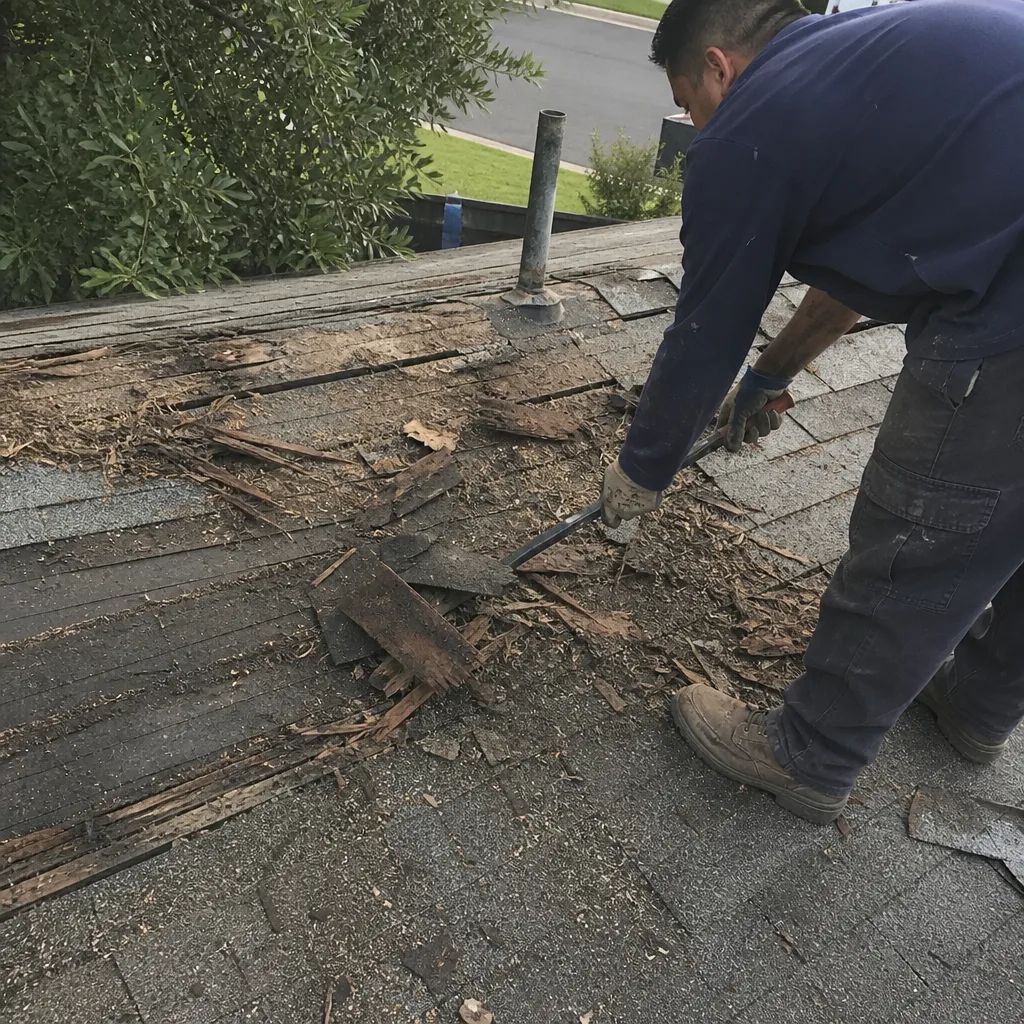
See the difference
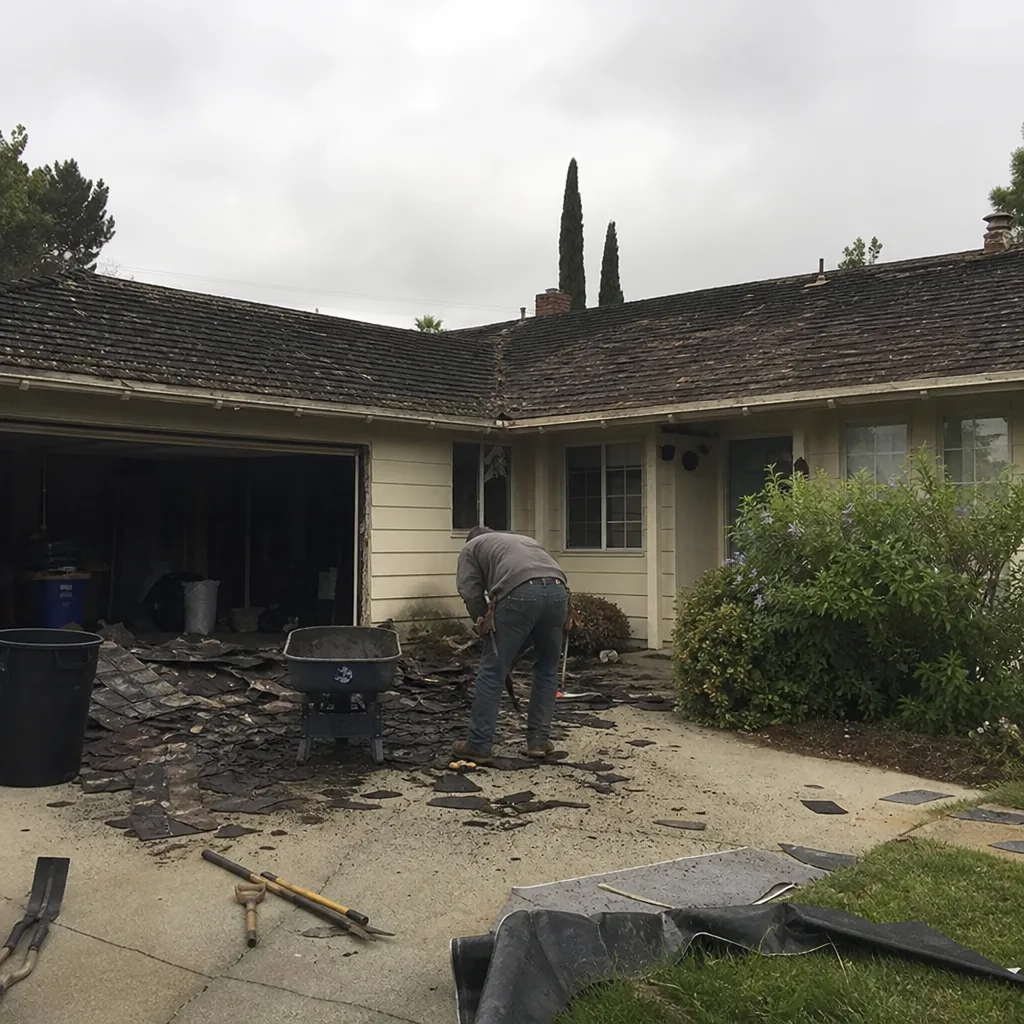 Before
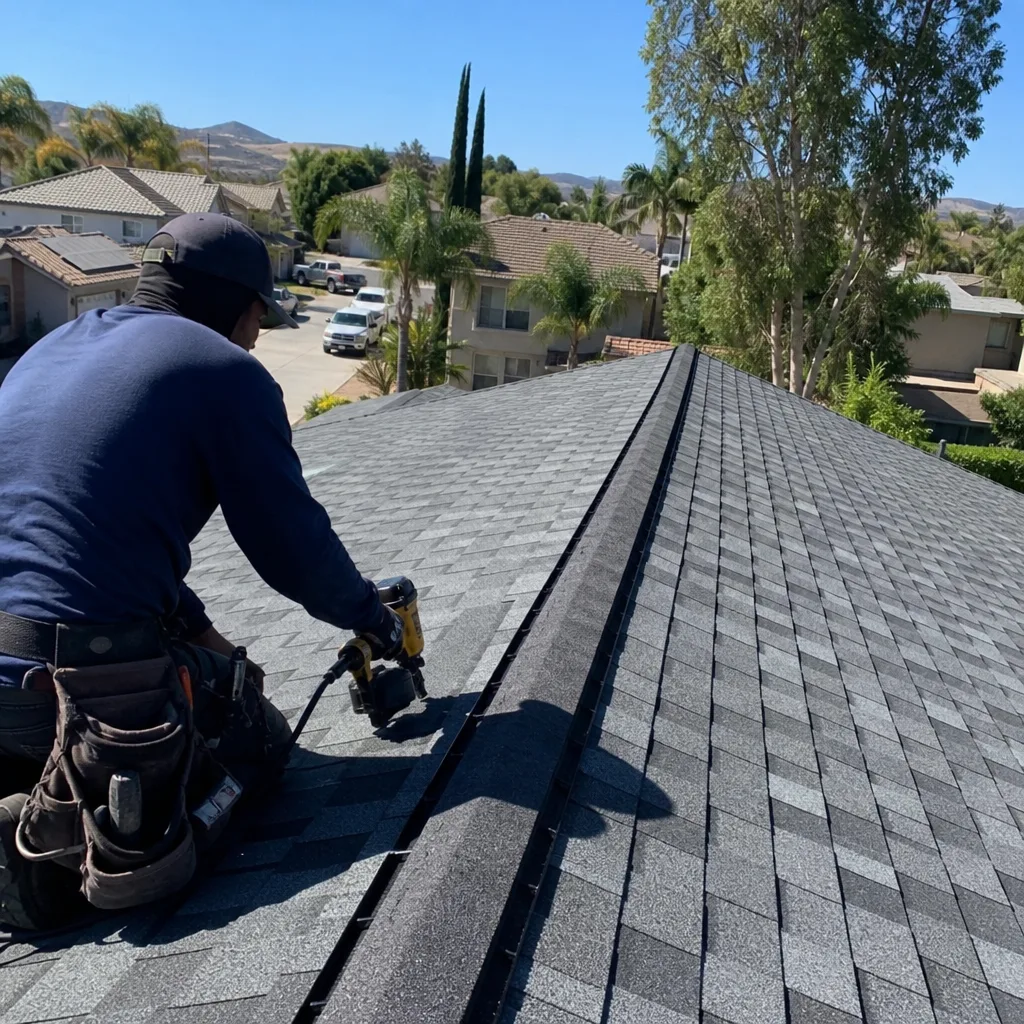 After
 Before
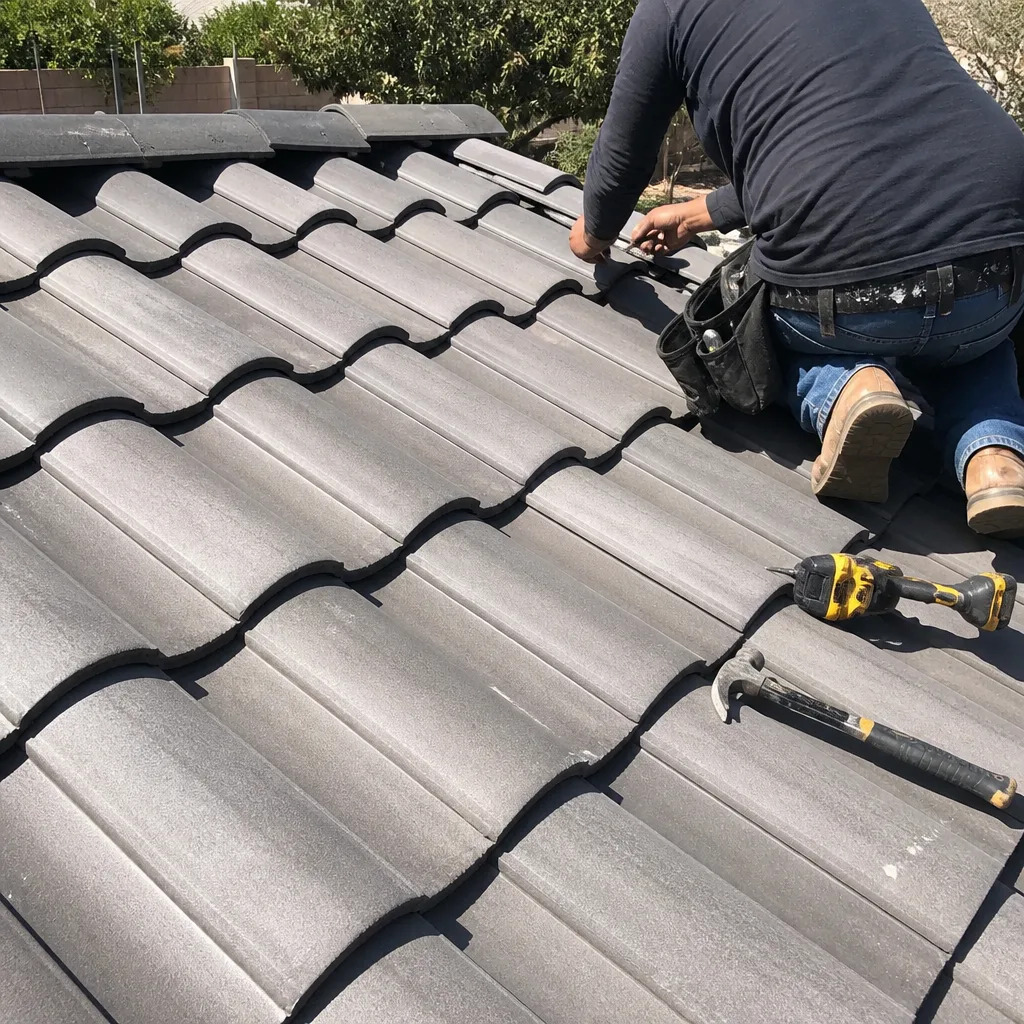 After
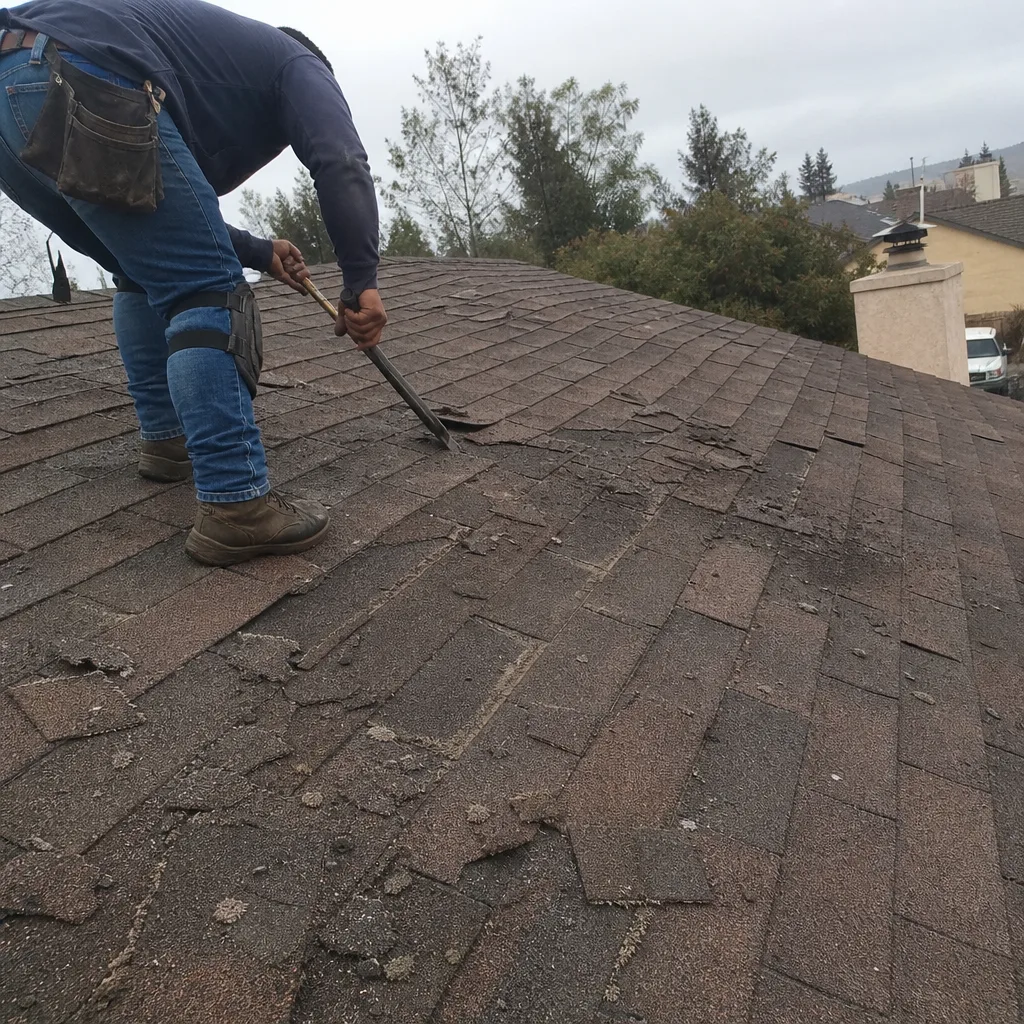 Before
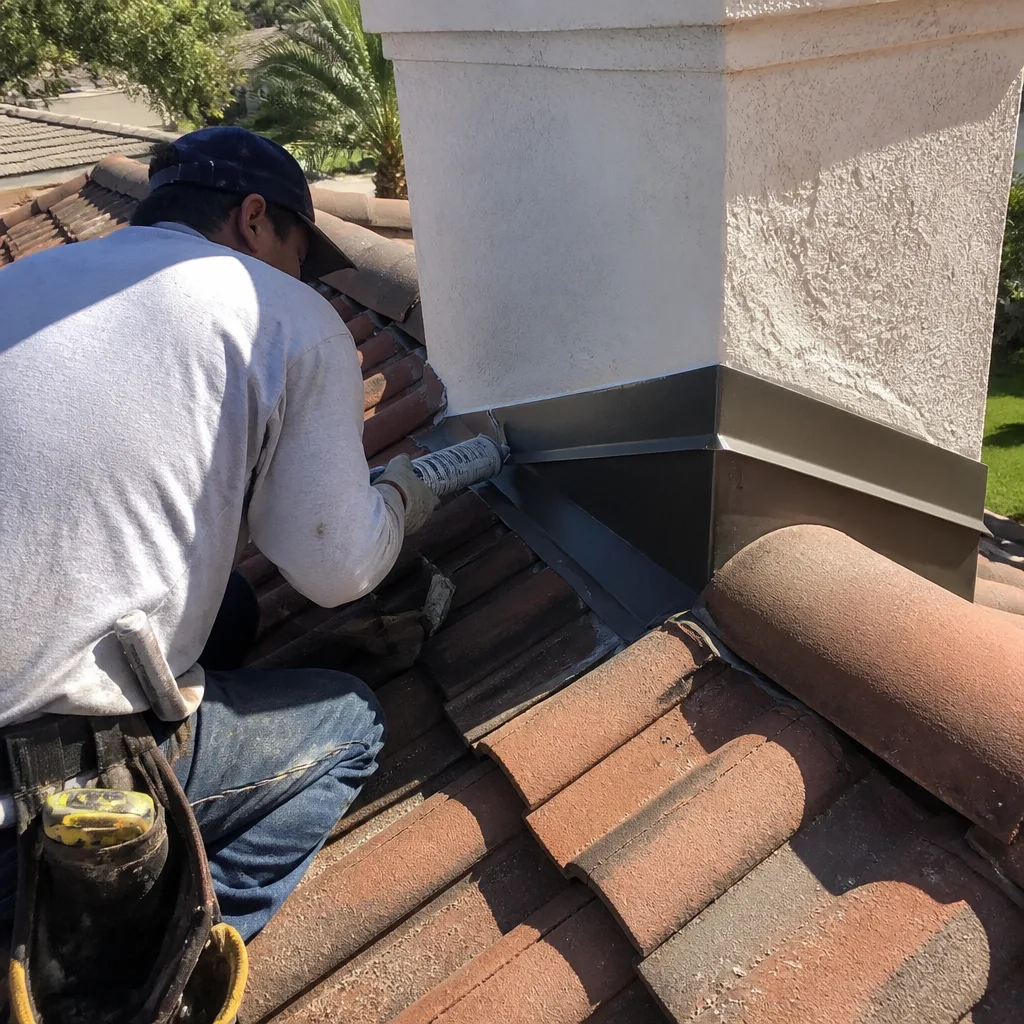 After
When to Call a Professional
If your Corona roof is more than 12 years old, shows granule loss in your gutters, or has visible curling at the shingle edges, a material decision should follow an inspection, not precede it. Some damage patterns point to specific causes: thermal cracking from sun exposure, nail pops from structural movement, or algae growth from moisture retention. Those findings drive the brand recommendation. If you’re comparing quotes and one contractor only offers one brand, that’s a signal to get a second opinion. We recommend having the inspection done as a standalone service so you receive an honest assessment without a sales agenda attached. Orange County Roofing Co offers free estimates in Corona. Call (866) 942-4187 to schedule a roof inspection and material consultation.
Frequently Asked Questions
The best roofing brand depends on your home’s sun exposure, your ownership timeline, and whether you want manufacturer-backed labor coverage. For most Corona homes, a mid-tier architectural shingle from CertainTeed, Owens Corning, or IKO delivers excellent value, while GAF’s Golden Pledge warranty is worth considering if you want the strongest labor protection available. Call (866) 942-4187 for a recommendation based on your roof’s specific conditions.
Roof replacement in Corona typically costs between $12,000 and $28,000 depending on roof size, material tier, and whether a full tear-off is required. Mid-tier architectural shingles run $5.50-$7.50 per square foot installed, while premium lines with enhanced warranties run $7-$10 per square foot installed. Get a line-item written estimate to compare material costs separately from labor and disposal.
No, unless you purchase an enhanced warranty tier through a certified contractor. Standard manufacturer warranties cover materials only and are prorated over time. Labor coverage requires an enhanced tier, which typically adds 10-25 years of labor protection depending on the brand and contractor certification level. Always ask to see the exact warranty tier your roof will be registered under before signing a contract.
Atlas StormMaster and GAF Timberline HDZ both earn Class H wind ratings, the highest available, making them strong choices for exposed Corona ridge lines and open lots. CertainTeed Landmark and Owens Corning Duration earn Class F ratings that handle Santa Ana conditions fine on most homes. Proper six-nail installation matters more than the shingle’s rated class for typical Corona wind exposure.
Light-colored shingles with higher SRI ratings reduce attic temperatures and cooling costs in Corona’s hot summers. However, many homeowners prefer dark colors for curb appeal. Several brands, including Owens Corning and CertainTeed, offer dark blends with reflective granules that achieve SRI ratings comparable to lighter colors. These cost slightly more but recover the premium through lower energy bills over the roof’s life.
Most manufacturer warranties allow one transfer to a new owner, but only on enhanced warranty tiers and only if the transfer is registered within 30-60 days of closing. Base material warranties often die with the original owner. If you’re buying or selling in Corona, verify the warranty registration with the manufacturer during the inspection period, and don’t assume the warranty automatically follows the home.
The Bottom Line
Choosing a roofing brand for your Corona home is a three-part decision: the product’s performance in inland Southern California heat, the warranty tier your contractor can actually register you for, and the honest math on how long you’ll own the home. Premium brands earn their price when sun exposure is extreme or when you want the strongest labor warranty a manufacturer offers. Mid-tier brands beat premium on value when your ownership timeline is shorter, your roof geometry is simple, or your home has shade cover. The one mistake that costs homeowners the most is picking a brand without understanding the labor coverage gap or reading the warranty proration schedule. If you want a straight recommendation based on your roof’s actual conditions in Corona, we’ll walk you through all seven brands we install and help you make the call honestly. Call (866) 942-4187 for a free estimate, and start with an inspection that tells you exactly what your roof needs, nothing more.
Written by the team at Orange County Roofing Co, serving Corona since 2015. Explore more guides & resources.