Last updated October 31, 2026
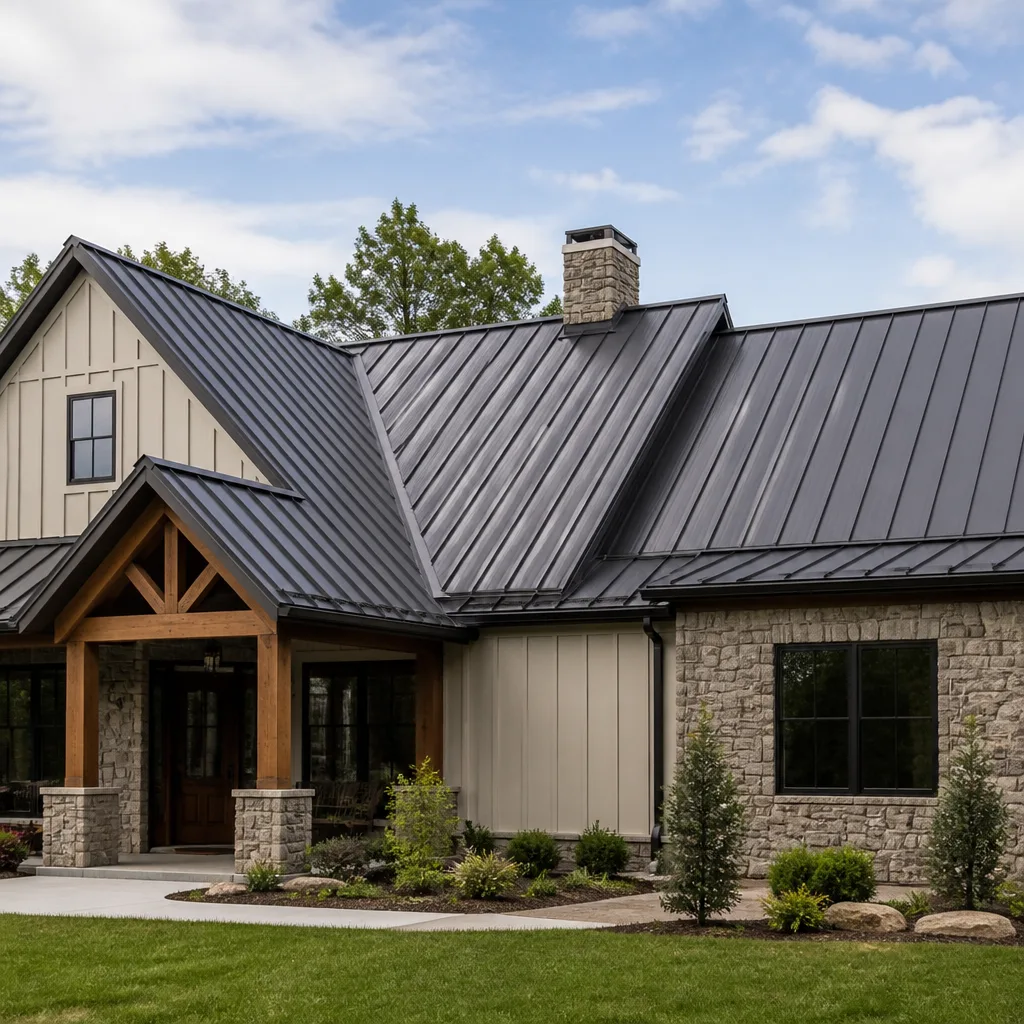 Metal roofing
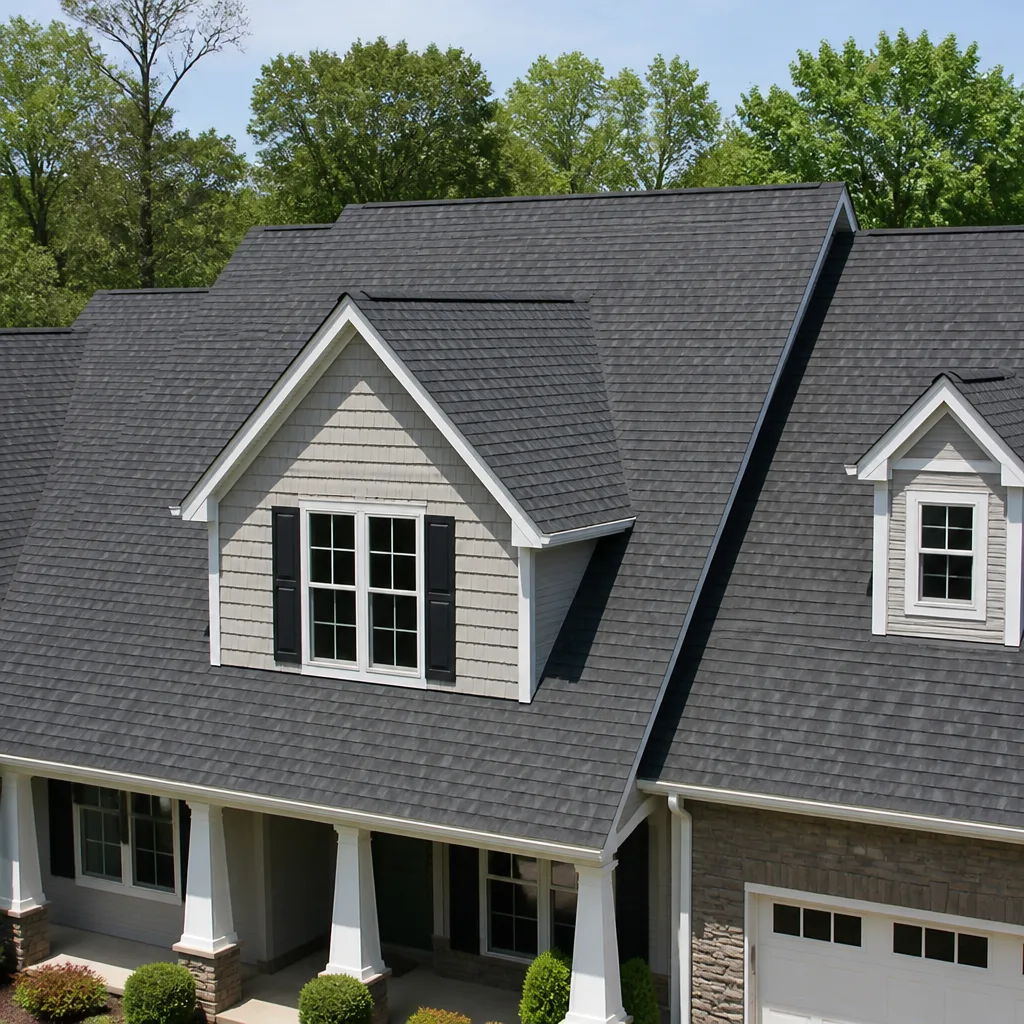 Architectural shingles
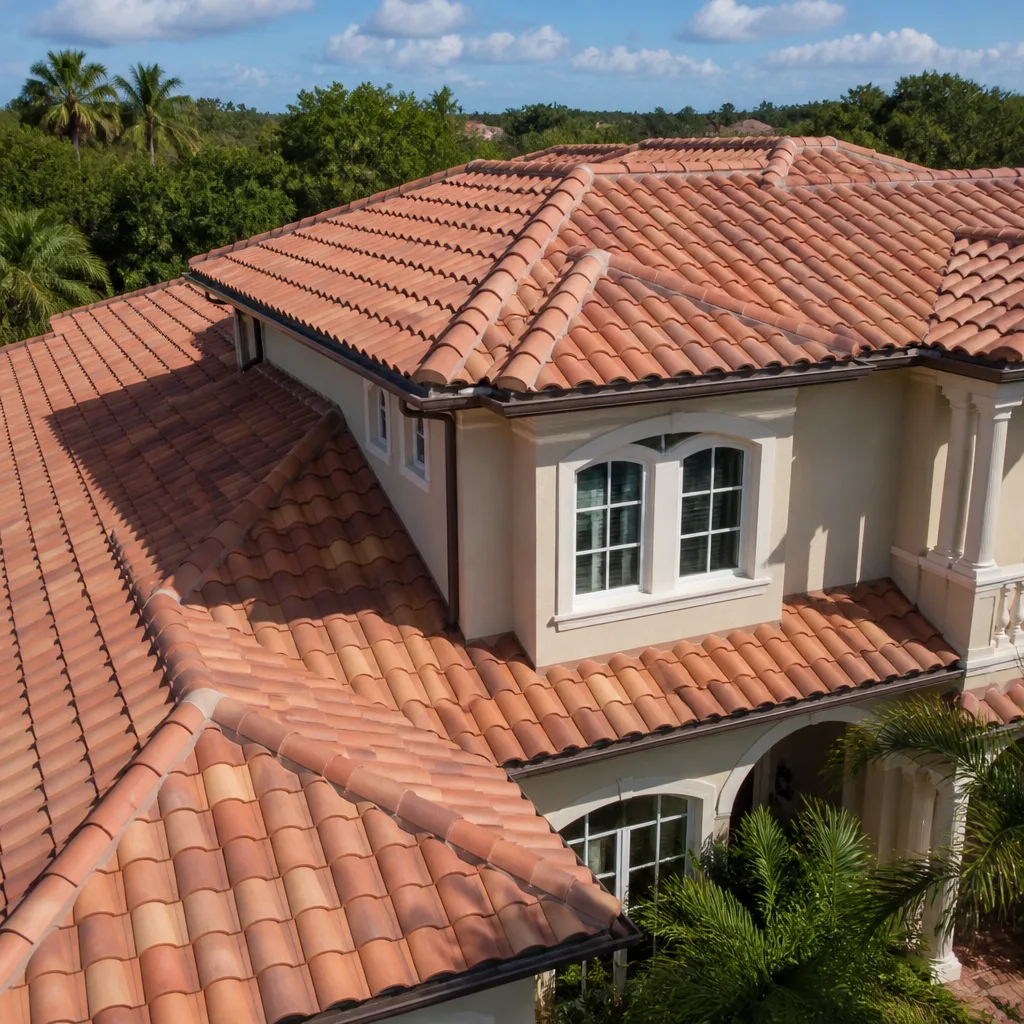 Tile roofing
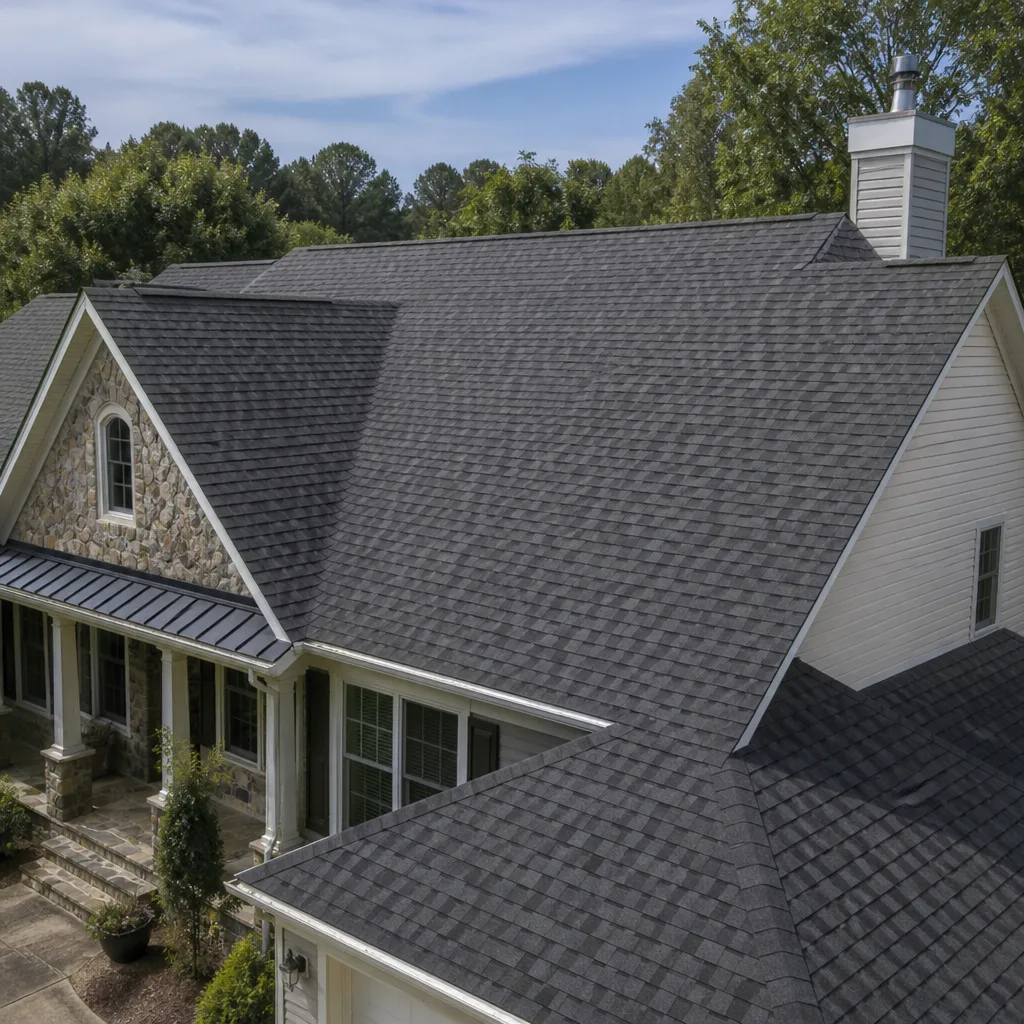 GAF
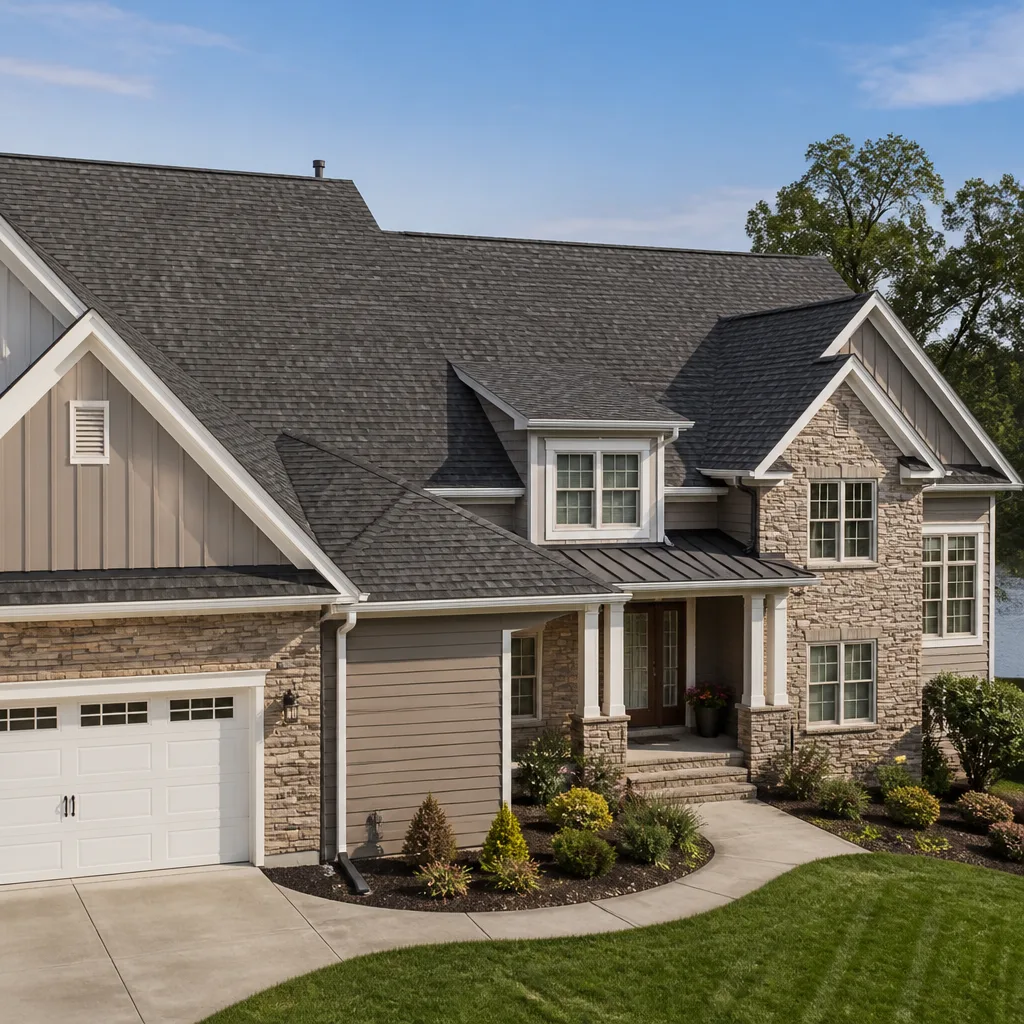 Owens Corning
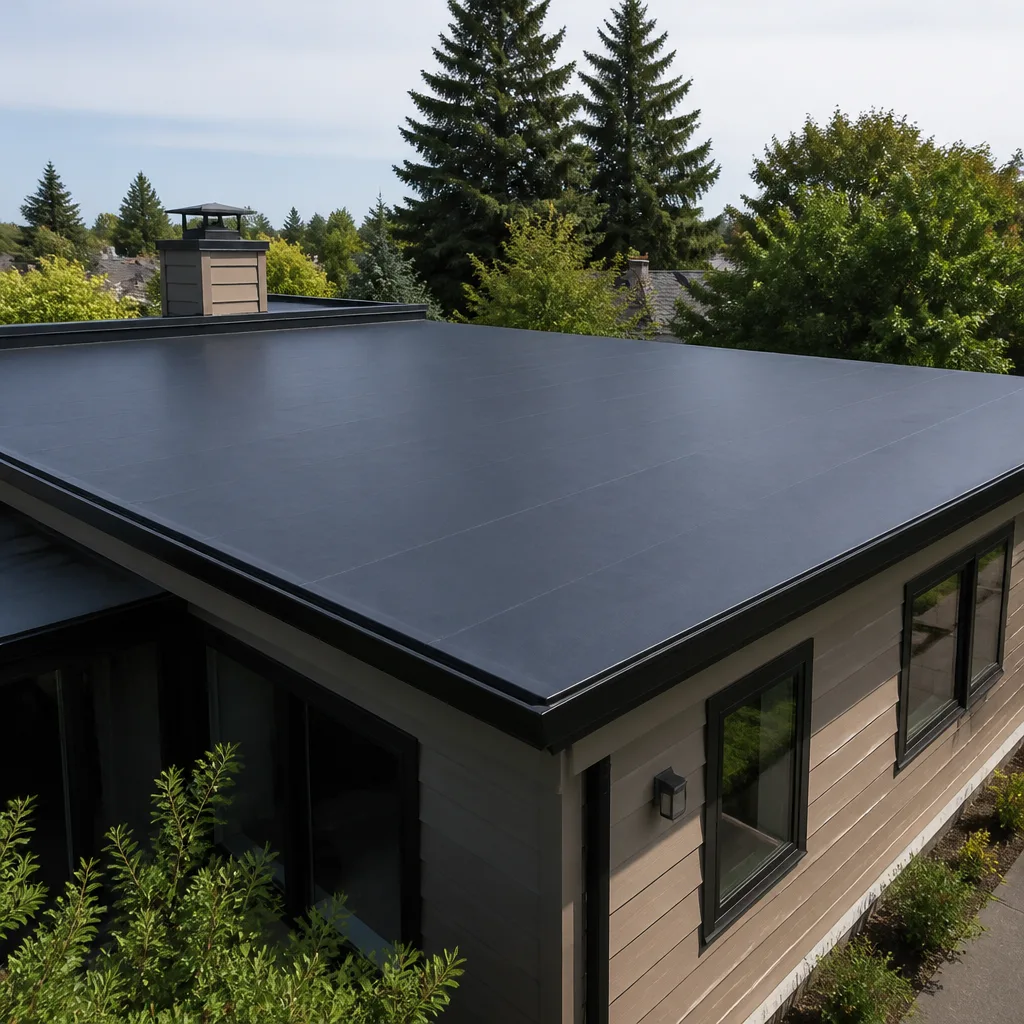 Flat & low-slope
Free roof inspection with deck photos before we talk money - GAF and Owens Corning certified installation
The Complete Guide to Roofing in Corona
Corona sits in a thermal corridor where summer attic temperatures routinely exceed 160°F. That single fact eliminates several popular roofing materials before you even get to price comparisons, yet most guides treat Corona as just another Southern California suburb. It isn’t. Between the inland heat patterns, Santa Ana wind exposure, hillside fire zones, and HOA restrictions in master-planned communities, Corona makes specific demands on a roof that coastal Orange County simply doesn’t. This guide walks through what actually matters here: which materials hold up, what the local codes require, what HOAs will and won’t allow, and how to make a decision you won’t regret in year 12. For more guides & resources, explore our blog.
Styles & brands we work with
Quick Answer
Roofing in Corona means choosing materials and installation methods that handle three local realities: sustained inland heat above 100°F for weeks at a time, Santa Ana wind gusts that routinely hit 60-70 mph in hillside areas, and HOA or fire-zone restrictions that narrow your options by neighborhood. Asphalt shingles with high wind ratings and reflective granules dominate most Corona homes for cost and performance reasons, while concrete tile appears heavily in hillside and Spanish-style communities. The right roof here is a material decision, a code decision, and an HOA decision rolled into one. Our Complete Roof Repair Guide for Corona Homeowners covers each of these in more detail.
Table of Contents
- Corona’s Climate: Why Inland Heat Changes the Math
- Santa Ana Winds and Wind Uplift Ratings
- HOA Color and Material Restrictions in Corona
- Fire Ratings: Flat Tracts vs. Hillside Developments
- Corona Roofing Material Decision Matrix
- What Roofing Costs in Corona
- Common Mistakes to Avoid
- When to Call a Professional
- Frequently Asked Questions
- The Bottom Line
Corona’s Climate: Why Inland Heat Changes the Material Longevity Math
Corona averages 30 to 40 days per year above 95°F, and the hottest stretches push past 105°F in July and August. Coastal Orange County might see 85°F on the same day Corona hits 100°F. That gap matters for roofing because heat doesn’t just make your attic uncomfortable, it accelerates material breakdown in measurable ways.
Asphalt shingle lifespan depends heavily on heat exposure. A shingle rated for 30 years on a shaded coastal lot might realistically give you 18 to 22 years on an unshaded Corona roof with southern exposure. The oils in the asphalt dry out faster, the granules lose adhesion sooner, and edges start curling years earlier than they would in Huntington Beach or Newport Beach.
Heat also affects what’s underneath the shingles. Attic ventilation becomes non-negotiable in Corona, because a 160°F attic will bake the shingle deck from below and shorten the life of most materials sitting on top of it. We regularly inspect Corona homes where inadequate ridge and soffit venting has cut a roof’s effective life by a third. Proper intake and exhaust ventilation isn’t an upsell here. It’s protection for whatever material you install.
CertainTeed and Owens Corning both manufacture asphalt shingle lines with reflective granule technology specifically designed for high-heat climates. These granules bounce back more UV radiation than standard shingles, which keeps surface temperatures lower and slows the drying-out process. In our experience working across Corona’s tract home communities, upgraded reflective granules on a standard architectural shingle make more practical difference than jumping to a premium material that isn’t right for the home’s structure.
One more heat-specific note: if you have a flat or low-slope section on your Corona roof, it needs a heat-reflective surface. Dark modified bitumen or built-up roofing absorbs enough heat to raise your cooling load noticeably in August. Light-colored reflective coatings cost a fraction of a full replacement and pay for themselves in energy savings and membrane longevity.
Santa Ana Winds and Wind Uplift Ratings
Santa Ana winds hit Corona from the northeast, channeling through the Santa Ana River canyon and the passes that make this part of the Inland Empire such a wind corridor. Gusts of 60 to 70 mph are common in the foothill neighborhoods during October and November wind events, and sustained winds of 35 to 45 mph can last for days.
What that means in practical terms: your roof’s wind rating is not a marketing number. It’s the difference between shingles staying on your deck and ending up in your neighbor’s yard.
Here’s how wind ratings work, simplified. Asphalt shingles carry an ASTM wind rating, typically ASTM D3161 Class F (110 mph) or ASTM D7158 Class H (150 mph). Most standard architectural shingles from the major manufacturers meet Class H. But getting those ratings requires proper installation, and proper installation in a wind zone means three things:
- More nails, not fewer. In high-wind areas, shingles need six nails per strip rather than the standard four. This is a code requirement in parts of Corona’s wind-exposed zones, and it’s the single most common shortcut taken by the low-bid installers.
- Correct nailing depth and placement. Over-driven nails weaken the shingle’s seal, and under-driven nails interfere with the shingle above. Either mistake becomes a failure point the first time winds gust past 50 mph.
- Starter strips and drip edge properly installed. The starter course along the eaves is the first line of defense against wind getting under the shingle edges. Cheap jobs skip the starter strip, and wind peels those roofs off from the bottom edge first.
Concrete and clay tile handle wind differently than shingles. Tiles are heavy, generally 600 to 1,000 pounds per square (100 square feet), and they don’t peel off like shingles do. But they can crack and detach if the attachment system isn’t right for the wind zone. Corona’s hillside homes, especially in communities along the ridgelines, require mechanical fastening of every tile rather than the nail-and-adhesive method that works on flatter terrain.
GAF and CertainTeed both produce shingle lines engineered specifically for high-wind regions, with enhanced adhesive strips and reinforced nailing zones. If you’re reroofing in one of Corona’s higher-elevation or canyon-adjacent neighborhoods, it’s worth asking about these lines specifically rather than defaulting to whatever the installer has on the truck.
HOA Color and Material Restrictions in Corona
Roughly half of Corona’s single-family homes sit in HOAs, and the newer the neighborhood, the more restrictive the architectural guidelines tend to be. Master-planned communities like Terramor, Sycamore Creek, and the newer sections of Horsethief Canyon publish specific roofing standards that every homeowner must follow before a replacement can move forward. Skip this step, and you’ll be fighting your HOA while your old roof keeps leaking.
The pattern across most Corona HOAs looks like this:
- Approved color palettes. HOAs typically restrict shingle and tile colors to earth tones, browns, grays, and specific blends approved by the architectural committee. Some communities publish a list of five to ten pre-approved shingle color codes, usually mapped to specific manufacturer lines. If your installer doesn’t check this, you could pass your city inspection and still get a violation letter from the HOA.
- Material requirements by elevation or visibility. In hillside communities like Sycamore Creek, homes visible from main roads or community amenities often require concrete tile or a specific architectural shingle profile. Homes tucked into interior streets might have more latitude. The same house plan can have different roofing requirements depending on its lot.
- Approval timelines. Most Corona HOAs require you to submit a roofing application with material samples, color codes, and contractor information before work begins. Approval typically takes two to six weeks. Starting without approval isn’t just a fine, it can stop your project mid-tear-off, which leaves a bare roof exposed to weather.
Boral manufactures concrete and clay roof tile lines that show up frequently in Corona’s HOA-approved palettes because they offer the Spanish and mission profiles many of these communities were designed around. If your HOA requires tile or a tile-look profile, the conversation shifts from shingle brand comparisons to tile profile, weight, and attachment systems.
For homes in Terramor’s newer phases, the HOA architectural standards are published and specific, often down to the exact shingle color names from specific manufacturers. We keep a running file of these requirements for the Corona communities we work in, because getting the approval right the first time saves homeowners three weeks of back-and-forth and a second trip to the architectural committee.
Fire Ratings: Flat Tracts vs. Hillside Developments
Corona sits in a fire-prone region, and the city’s newer hillside developments carry different roofing fire requirements than the older flat tract neighborhoods. The distinction matters when you’re choosing materials.
California’s building code uses a Wildland-Urban Interface (WUI) designation for areas where homes border undeveloped land. In Corona, this applies to the foothill and canyon communities along the Cleveland National Forest boundary, much of the Sycamore Creek and Eagle Glen areas, and some sections of Horsethief Canyon. Homes inside the WUI zones must use Class A roofing assemblies, which is the highest fire resistance rating.
Class A doesn’t mean the whole roof is non-combustible. It means the roof assembly, materials and underlayment together, passes a specific burn test. Most modern asphalt shingles from GAF, CertainTeed, and Owens Corning qualify for Class A when installed over the correct underlayment. Concrete and clay tile are non-combustible by nature and meet Class A by default. The trap is in the underlayment: a Class A shingle over the wrong felt or synthetic underlayment can drop the whole assembly to Class B or worse, and that’s an inspection failure in a WUI zone.
Flat tract homes in central Corona, the older neighborhoods around downtown and the subdivisions along Main Street, are mostly outside the formal WUI boundary. They follow the standard California Fire Code rather than the WUI-specific chapters. That said, ember exposure during Santa Ana-driven fires reaches further than the maps suggest, and we’ve seen plenty of older Corona homes with combustible wood shake roofs that should have been replaced years ago out of plain common sense.
If you’re buying a hillside home in Corona or replacing a roof on one, verify the WUI classification before you pick materials. Your contractor should confirm this with the city’s building department, not guess at it.
Corona Roofing Material Decision Matrix
The material decision shouldn’t start with what’s cheapest or what’s most popular. It should start with three questions: where is the home, what does the HOA allow, and how long are you planning to stay? Here’s how materials stack up specifically for Corona’s conditions, not generic California.
Asphalt Architectural Shingles (the workhorse)
This is the right choice for most Corona homes in flat and gently sloped neighborhoods. Modern architectural shingles from GAF, CertainTeed, and Owens Corning handle the heat reasonably well when paired with reflective granules and proper attic ventilation. They’re cost-effective, install in one to two days, and carry 30 to 50 year manufacturer warranties on the premium lines. Wind performance with Class H ratings is adequate for most of Corona except the worst of the canyon-exposed ridges. Expect effective lifespan in Corona’s heat of 20 to 25 years on mid-grade products.
Concrete Tile (the hillside and style choice)
Concrete tile, most commonly from Boral in our area, dominates the Spanish and Mediterranean-style homes throughout Corona’s hillside communities. It handles heat better than anything short of clay, doesn’t burn, and carries a 50+ year expectation. The downsides: weight requires a structure check (most Corona homes built with tile from the start are fine, but you can’t just switch from shingles to tile without an engineer’s look at the roof framing), and cost runs significantly higher than shingles. Tile is also the loudest roof in a hailstorm, though that’s a rare concern in Corona.
Clay Tile (the premium, period-authentic option)
Clay tile shares concrete tile’s heat and fire advantages with a longer track record and a higher price tag. In Corona’s older custom home neighborhoods, particularly in the areas south of the 91 with distinctive Spanish Revival architecture, clay is sometimes required by HOA or architectural board to match the original character. Clay is lighter than concrete, often by 30 to 40 percent, which matters on older structures.
Standing Seam Metal (the long-game specialty)
Metal roofing is a niche in Corona residential work but not an insignificant one. The thermal performance is excellent with the right coating, it’s impervious to fire, and the wind rating exceeds anything shingles can claim. The barrier is upfront cost and, in many HOAs, appearance restrictions. Where metal makes sense: modern and contemporary homes, some ranch-style properties, and homeowners planning to stay in the home 25+ years who want to roof it once and be done.
What rarely makes sense in Corona
Wood shake and shingle. Between fire risk, HOA prohibitions, and poor heat performance, wood roofing is effectively obsolete for Corona. Slate is rare and overkill for this climate. Three-tab shingles are still available and cheap, but their wind and heat performance is poor enough that we won’t recommend them for any Corona home, period.
What Roofing Costs in Corona
Pricing is the question everyone asks first and last. The honest answer involves a range, because Corona’s housing stock runs from 1,200 square-foot condominium-style tract homes to 5,000 square-foot custom estate properties in the hills. Here’s what we see in the current Corona market for complete roof replacements on a typical 1,800 to 2,400 square-foot single-family home.
| Material | Typical Range (1,800-2,400 sq ft home) | Notable Cost Drivers in Corona |
|---|---|---|
| Architectural asphalt shingles (mid-grade) | $11,000 – $16,500 | Tear-off and disposal fees, decking replacement if heat damage found, ventilation upgrades |
| Architectural asphalt shingles (premium/reflective) | $14,000 – $20,000 | Higher material cost offset partially by longevity and energy savings |
| Concrete tile (standard profile) | $28,000 – $45,000 | Structural verification if switching from shingles, underlayment selection driven by fire zone |
| Concrete tile (premium profile) | $35,000 – $55,000+ | Profile complexity, HOA-specified colors, hillside access logistics |
| Clay tile | $40,000 – $70,000+ | Material sourcing, specialty installation labor, custom matching for older homes |
| Standing seam metal | $25,000 – $45,000 | Panel profile, coating system, wind-zone fastening requirements |
These ranges assume a straightforward roof with normal complexity and access. Corona-specific variables that move the price: steep hillside lot access that limits where crews can stage materials, HOA-mandated material upgrades, WUI underlayment requirements in fire zones, and decking replacement discovered after tear-off. On older Corona homes, especially those built before the mid-1990s, we frequently find heat-damaged or water-stained decking that needs replacement before the new roof goes on. That’s a normal part of the project but not one every quote includes upfront, which is a good reason to insist on a written line-item estimate before work begins. Our How to Hire a Roofing Contractor in Corona: A Step-by-Step Guide explains what else to verify before signing.
Repairs are a different math. Minor shingle replacement and flashing work in Corona typically runs $450 to $1,200 depending on scope and access. Larger repairs involving sections of decking, multiple flashing points, or structural reinforcement land in the $2,000 to $6,000 range. If your roof is 15+ years old and the repair estimate starts approaching 25 percent of replacement cost, the conversation should likely shift from repair to Roof Replacement in Corona.
Common Mistakes to Avoid
- Skipping the HOA review before signing a contract. We’ve watched Corona homeowners sign roofing agreements in October, start work in November, and get a stop-work notice from their HOA a week in. The approval process exists whether you want it to or not. Find out what your community requires first, then pick materials.
- Choosing the lowest bid without checking what’s excluded. Corona’s competitive roofing market generates some pricing that doesn’t include tear-off, permits, decking replacement, or ventilation fixes. The cheapest quote usually just means someone is leaving something out. Ask for a line-item breakdown.
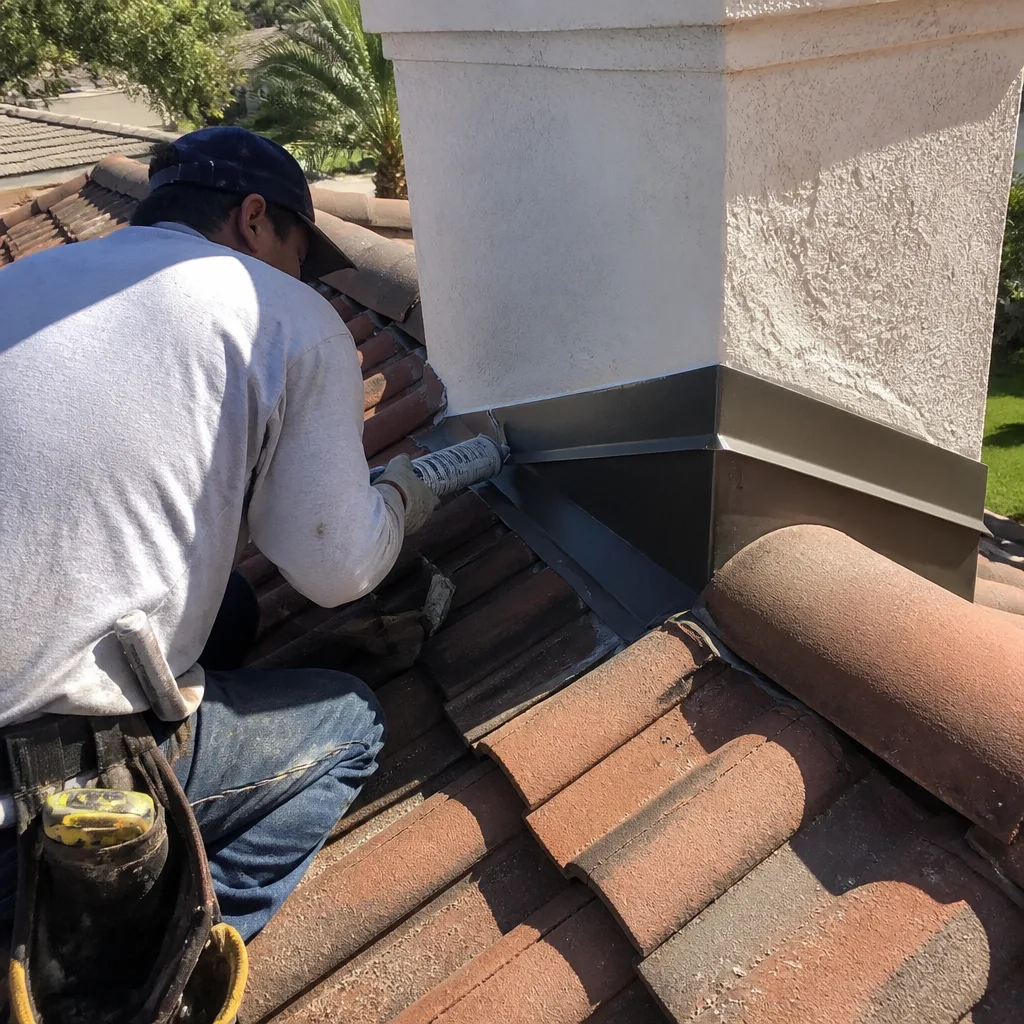
- Reusing old flashing on a new roof. Flashing around chimneys, skylights, and roof-wall intersections fails faster in Corona’s heat than the roof itself. New shingles over old flashing is a leak waiting for the first good rain. Flashing replacement adds cost, but it’s not optional.
- Ignoring attic ventilation. The 160°F attic problem isn’t solved by picking a heat-resistant shingle. Without proper intake and exhaust airflow, the deck bakes from below and anything you install on top of it dies early. Have a Roof Inspection in Corona before replacement so you know what the ventilation picture looks like.
- Underestimating tear-off and disposal. Corona’s city disposal fees and the logistics of removing old roofing on hillside lots add real cost. Quotes that seem to under-price the demolition phase are planning to find those costs later as change orders.
- Choosing shingles by color alone. The HOA-approved color palette matters, but granule type, wind rating, and warranty tier matter more. Get the color right within a performance line, not the other way around.
- Putting off small repairs until they’re big problems. A missing shingle in Corona’s wind season becomes a water intrusion point in the rain that follows. The repair cost stays small until the decking and interior start absorbing moisture, then it multiplies. See our Roof Repair in Corona page for what’s fixable versus what’s past its useful life.
When to Call a Professional
Some roofing issues announce themselves clearly: water stains on the ceiling, shingles in the yard after a Santa Ana event, granules piling up in the gutters. Others hide until they’re expensive. If your roof is over 15 years old and you haven’t had it professionally evaluated, that’s reason enough to call. If you’re buying or selling a home in Corona, a standalone inspection document protects whichever side of the transaction you’re on, and it doesn’t commit you to any repair or replacement work.
After major wind events, walk the perimeter and look for lifted shingles, displaced tile, or flashing that’s pulled away from the roofline. If you see any of those, call before the next rain arrives. Orange County Roofing Co offers free estimates in Corona, call (866) 942-4187 to schedule yours, and we’ll tell you honestly whether you need a repair, a replacement, or nothing at all right now.
Frequently Asked Questions
For a typical 1,800 to 2,400 square-foot Corona single-family home, expect $11,000 to $16,500 for mid-grade architectural shingles, $28,000 to $45,000 for concrete tile, and $40,000 and up for clay tile. Your actual price depends on slope, decking condition, HOA requirements, and whether the home sits in a fire-zone designation that requires upgraded underlayment. Call (866) 942-4187 for a free written estimate specific to your home.
Corona’s sustained summer heat typically reduces asphalt shingle life by 25 to 30 percent compared to coastal Orange County locations. A 30-year architectural shingle commonly lasts 20 to 25 years here when properly vented; a 50-year premium shingle might give 30 to 35 years. Concrete tile regularly lasts 50+ years in Corona when the underlayment is maintained.
If you live in a Corona HOA community, including Terramor, Sycamore Creek, or most newer subdivisions, yes, you almost certainly need architectural committee approval before replacing your roof. The process typically takes two to six weeks and requires submitting material samples and color codes. Starting without approval can trigger fines and a stop-work order mid-project.
Most of Corona falls into a wind zone where Class H shingles, ASTM D7158 rated for 150 mph, meet or exceed code requirements. Hillside and canyon-adjacent homes in the city’s higher elevations need proper six-nail installation patterns regardless of shingle rating. Tile roofs in those areas should use mechanical fastening on every tile rather than adhesive-only attachment.
You can, but only after verifying the roof structure can carry the additional weight. Concrete tile adds 600 to 1,000 pounds per square, and homes not originally designed for tile may require structural reinforcement. A licensed contractor or structural engineer should confirm this before any material decisions. HOA requirements may also dictate whether tile is expected or prohibited for your elevation.
If the roof is under 12 years old and the damage is isolated to a few shingles or a single flashing point, repair is usually the right call. If the roof is 15+ years old, has widespread granule loss, multiple leak points, or failed flashing at multiple locations, replacement is the better investment. Orange County Roofing Co can evaluate the condition and tell you straight, give us a call.
The Bottom Line
Roofing in Corona isn’t a generic Southern California decision. The inland heat demands ventilation and reflective materials that coastal roofers rarely emphasize. The Santa Ana winds require proper fastening and high wind ratings as standard practice, not an upsell. The HOA landscape across the city’s master-planned communities means the material conversation often starts with what’s allowed, not what’s available. And for hillside homeowners, fire-rating requirements add another layer that flat tract homes don’t face. Choosing the right roof here means working with someone who understands those variables together, not someone installing the same roof they’d put on a house in Irvine. For questions or a free estimate on any Corona roofing project, call Orange County Roofing Co at (866) 942-4187 or visit the Orange County Roofing Co home page to learn more about how we work.
Written by the team at Orange County Roofing Co, serving Corona since 2015.
See the difference
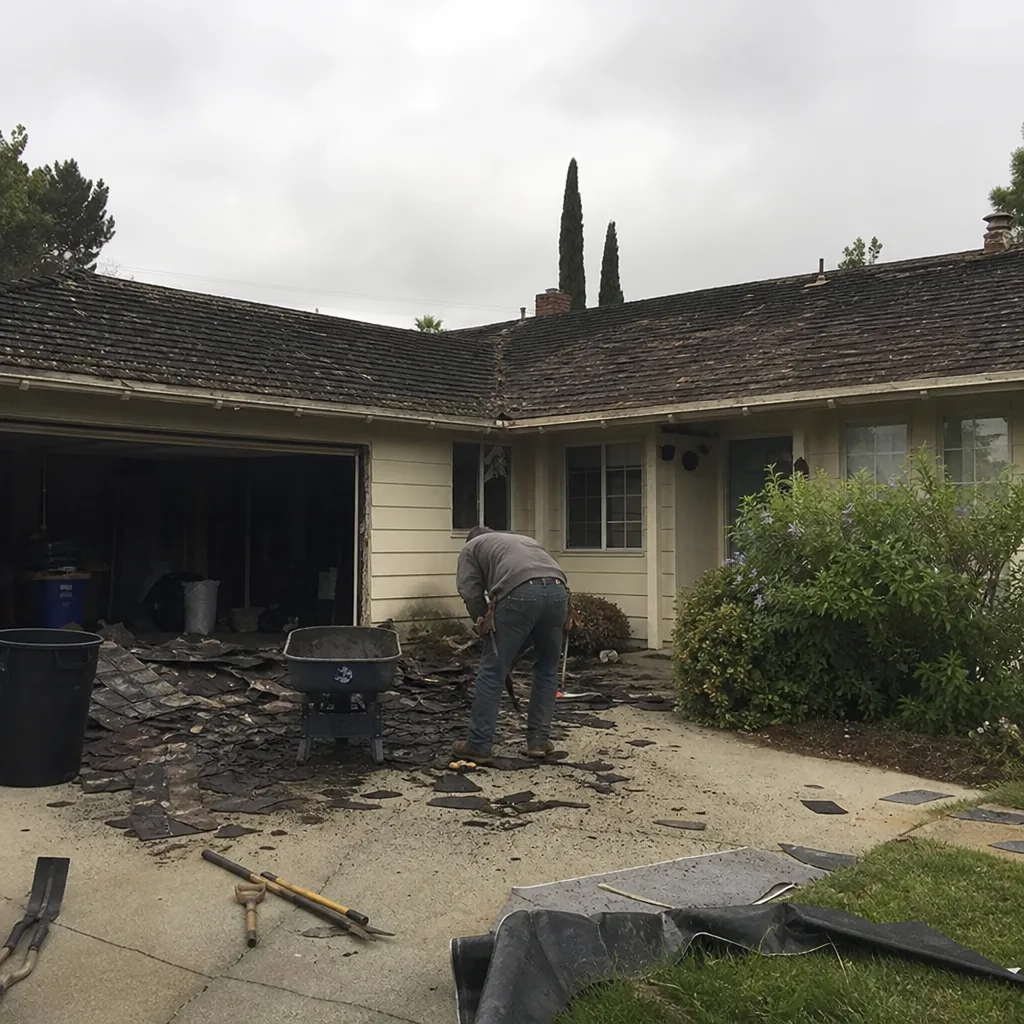 Before
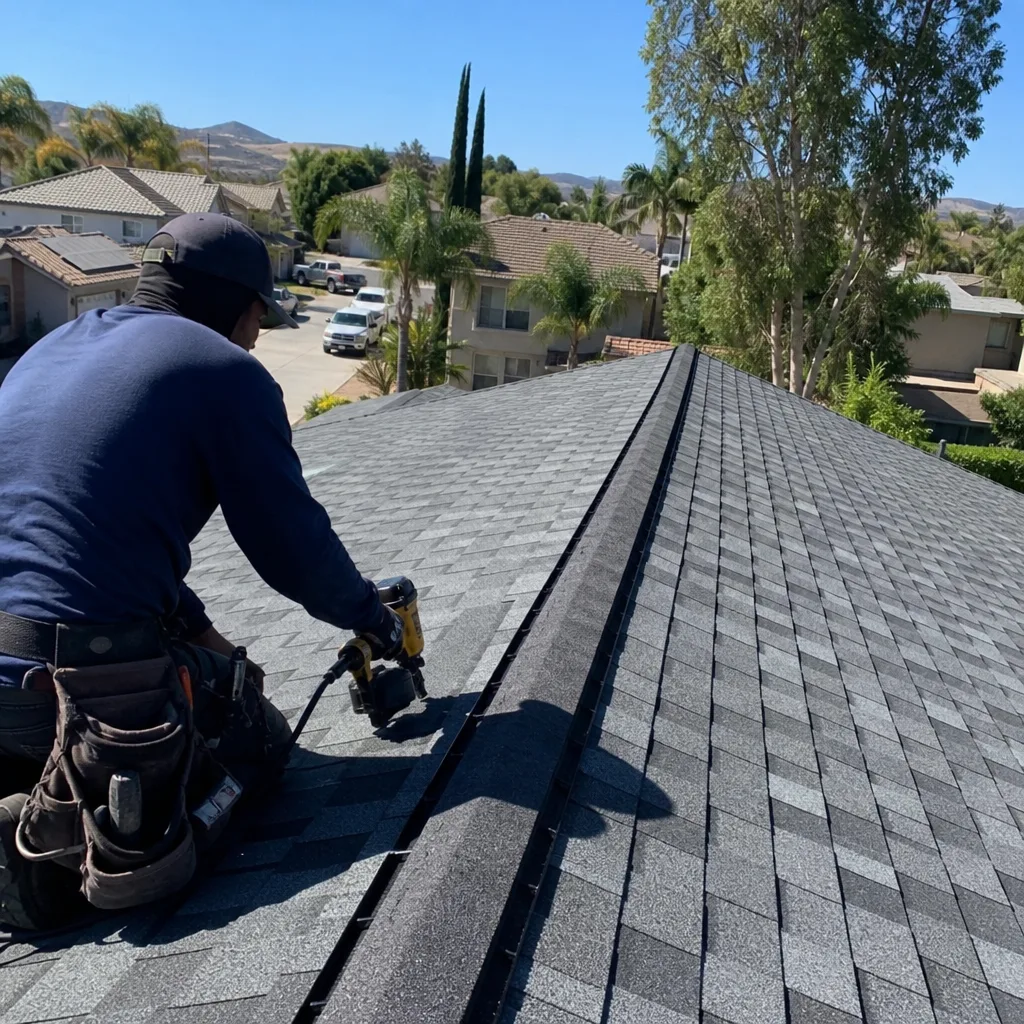 After
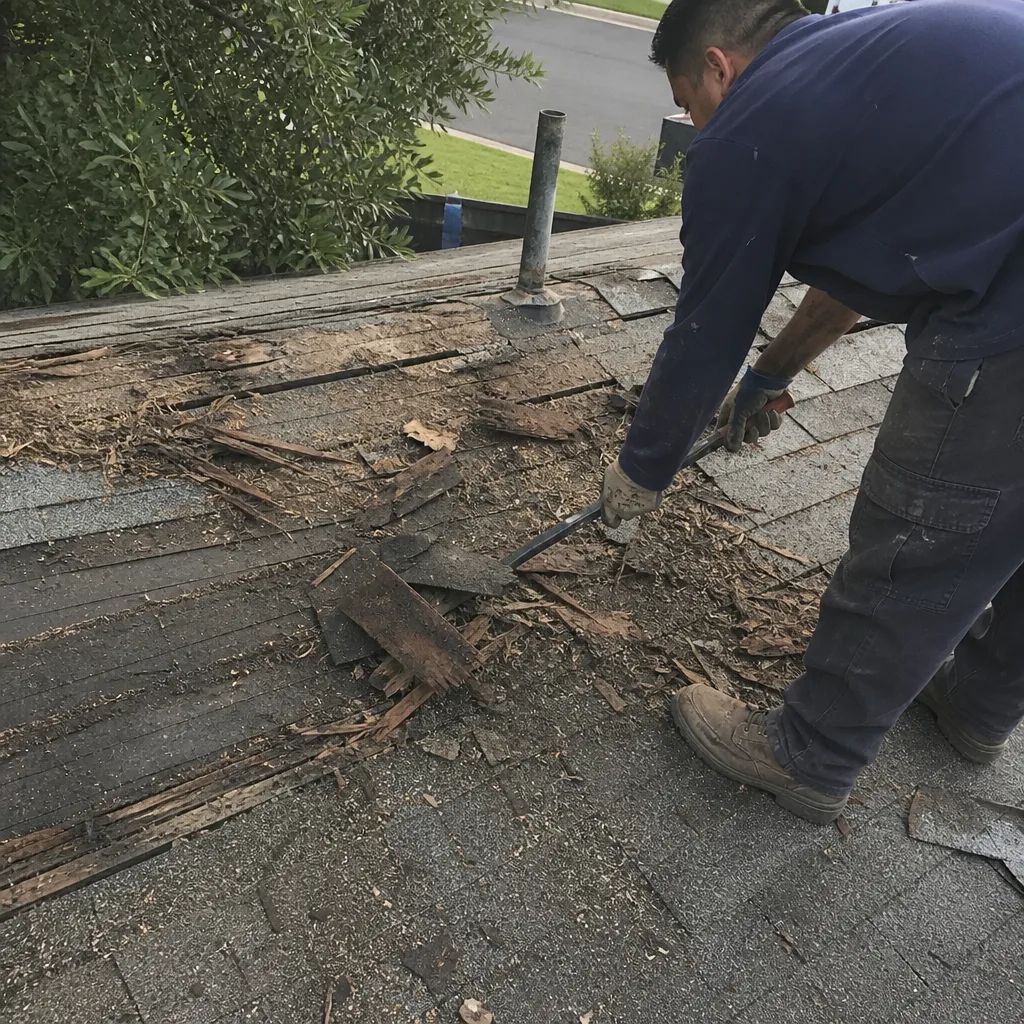 Before
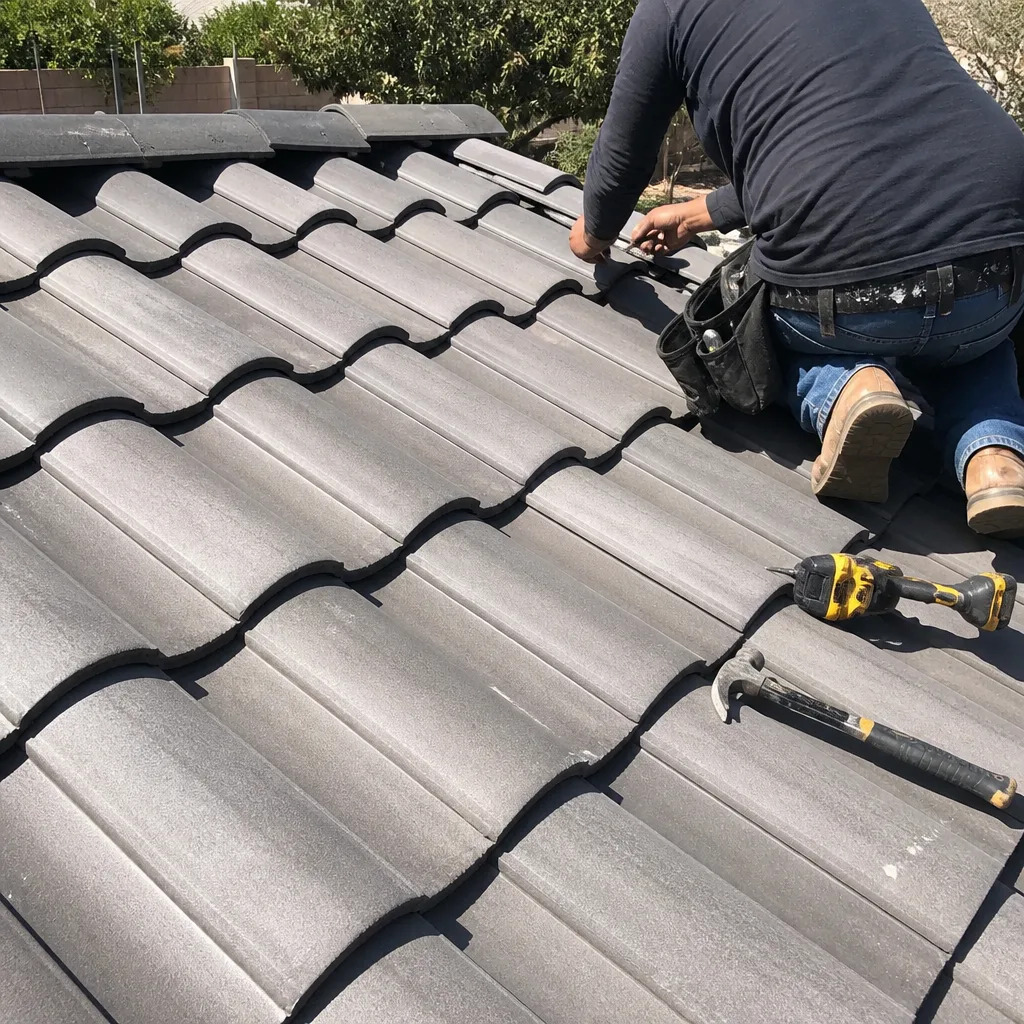 After
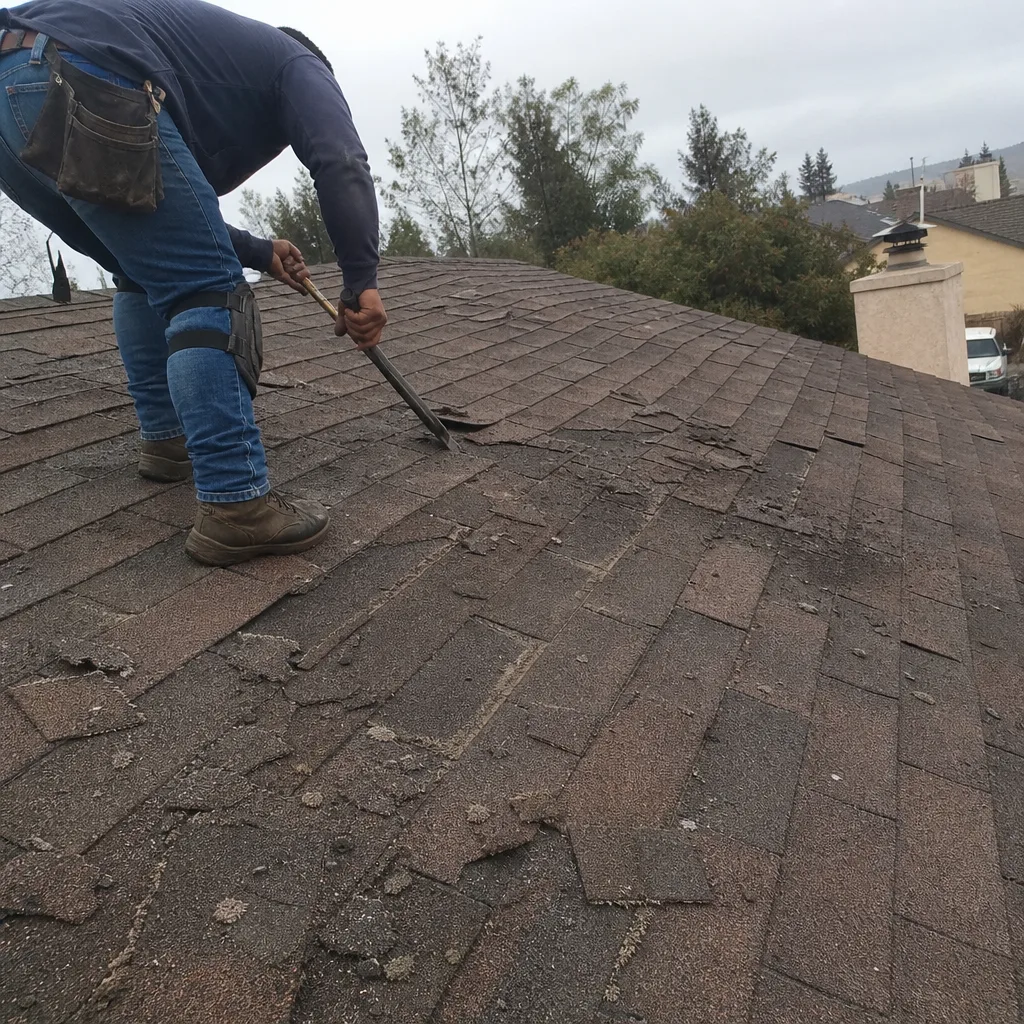 Before
 After