Last updated October 31, 2026
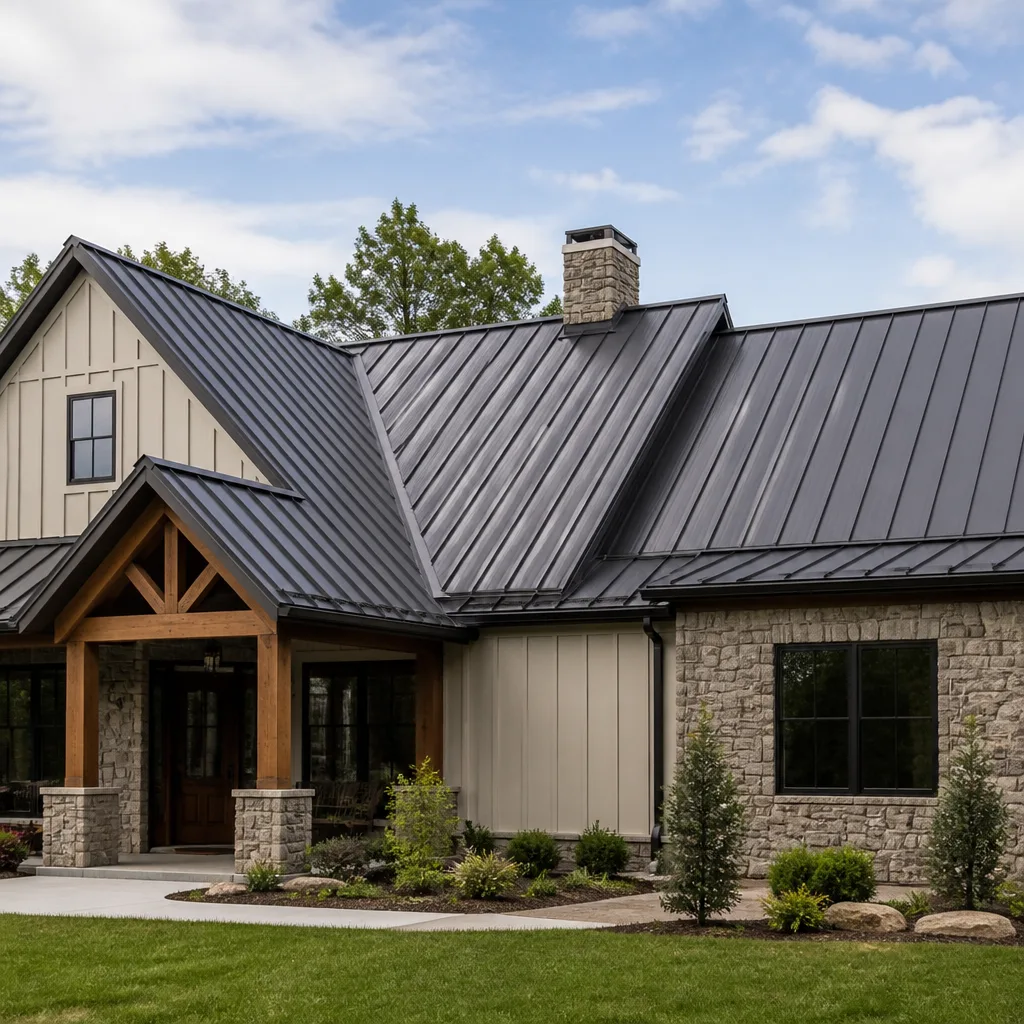 Metal roofing
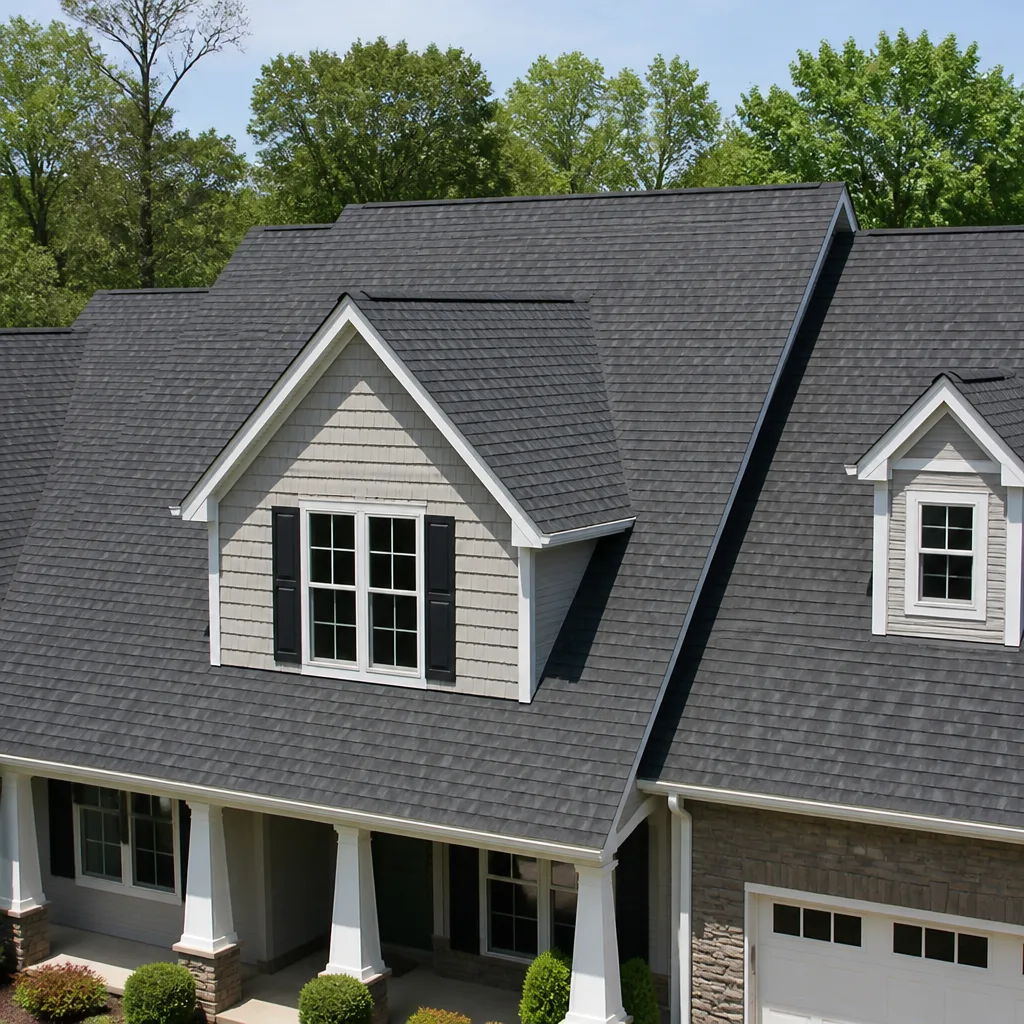 Architectural shingles
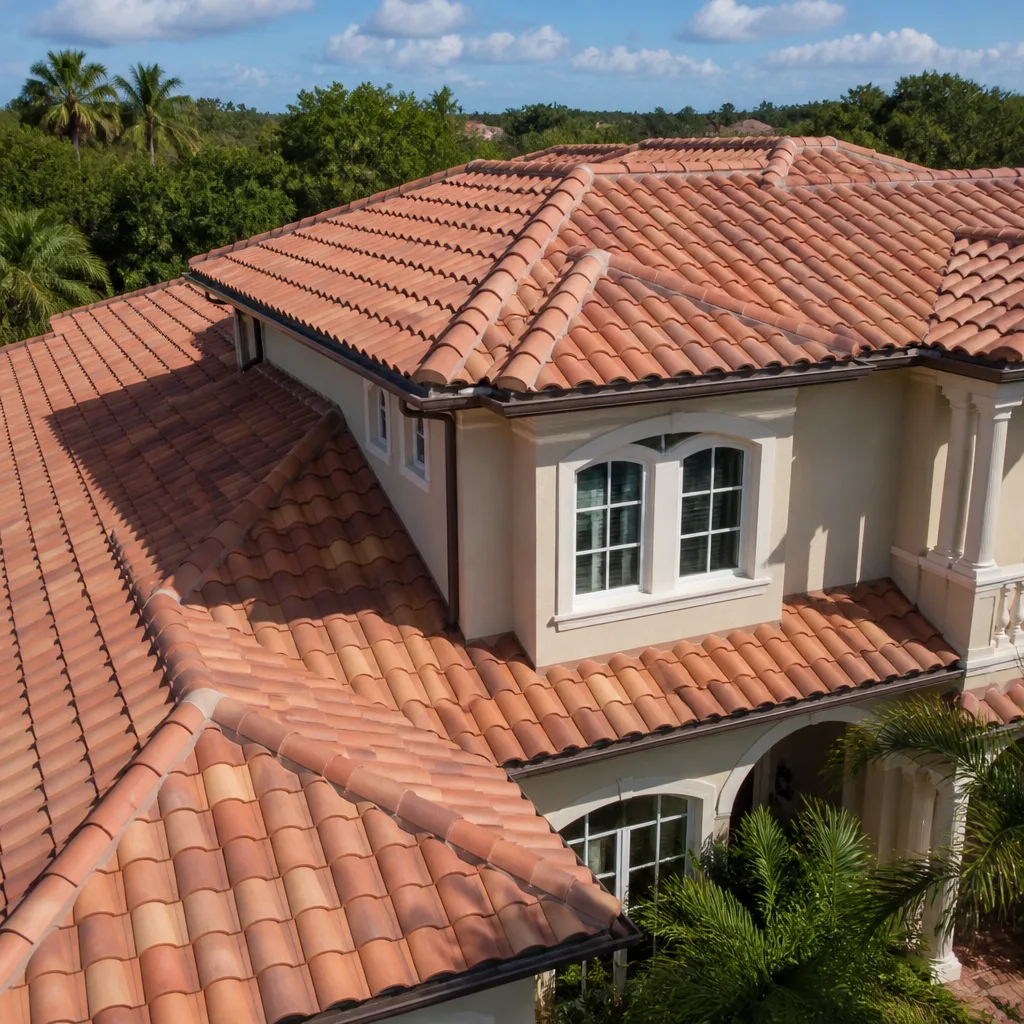 Tile roofing
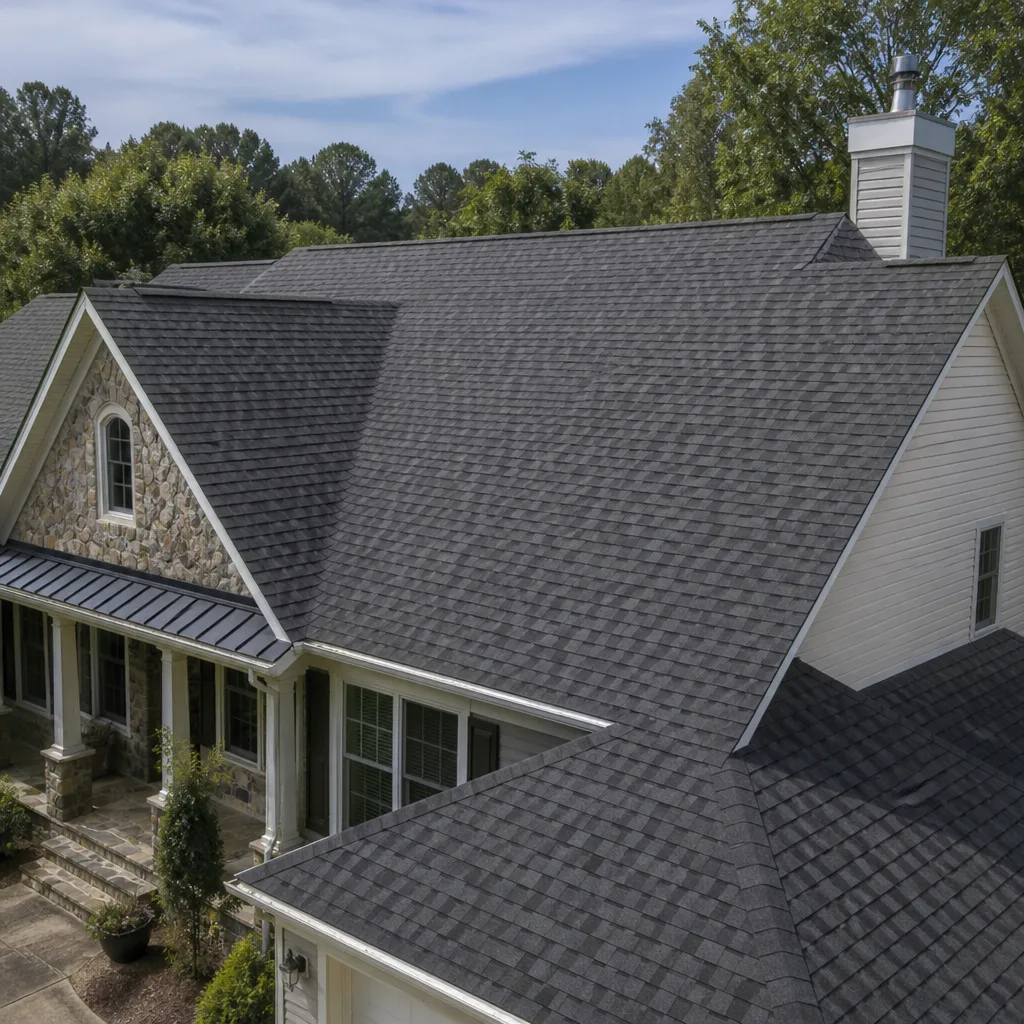 GAF
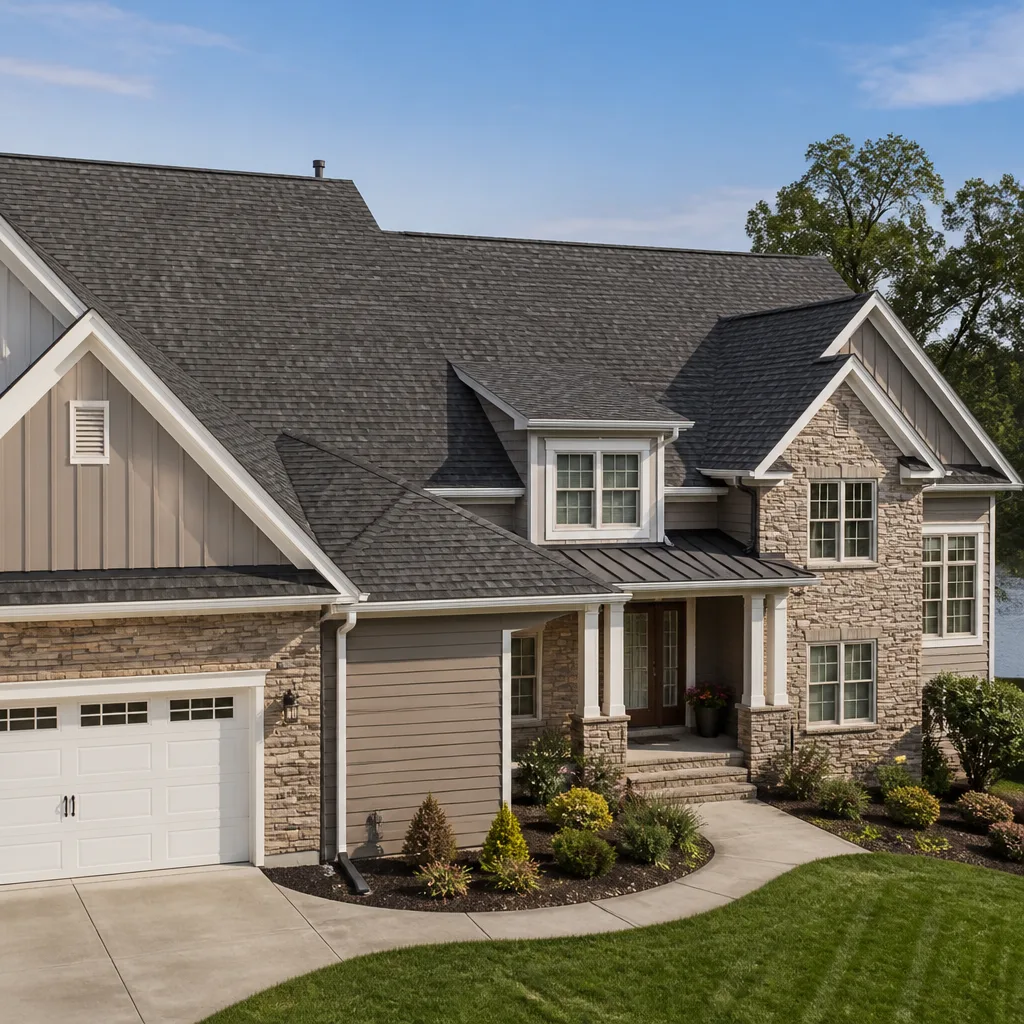 Owens Corning
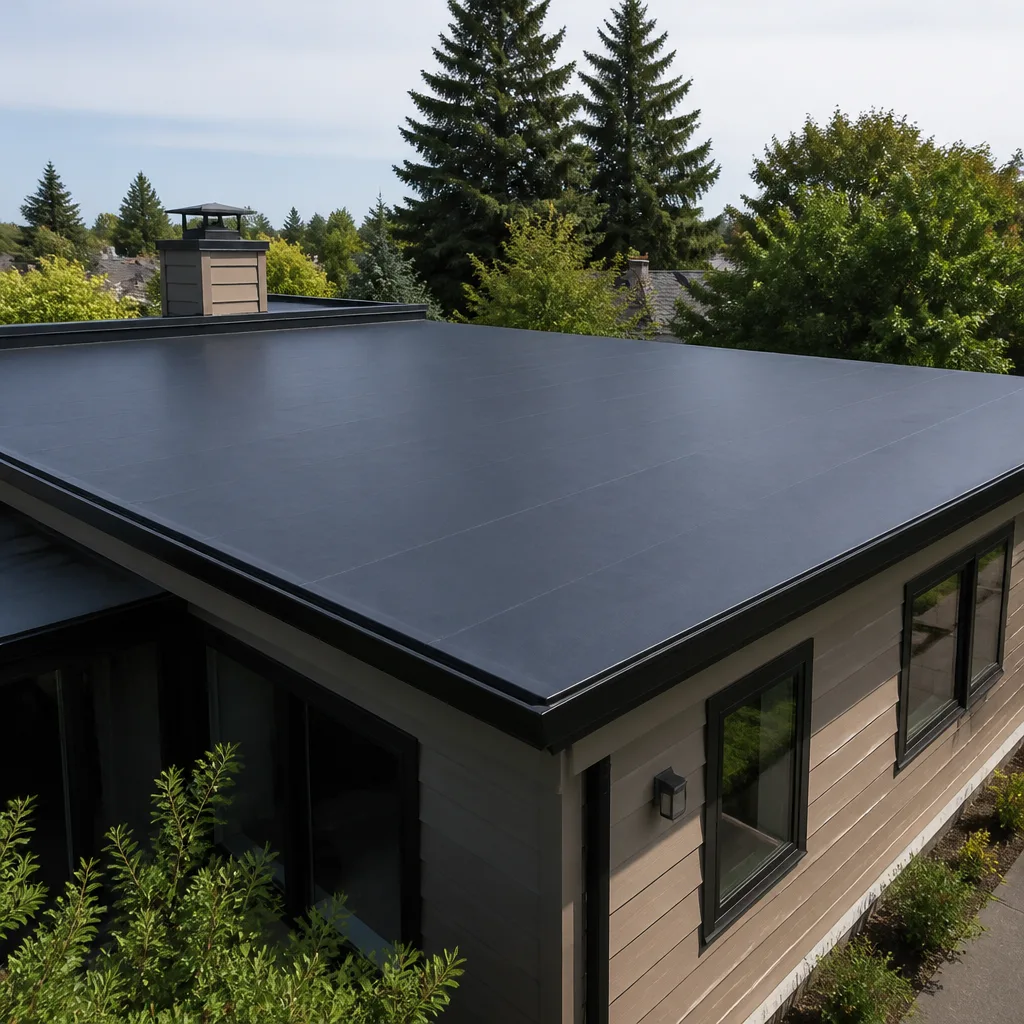 Flat & low-slope
Free roof inspection with deck photos before we talk money - GAF and Owens Corning certified installation
Roofing Cost Breakdown: The Corona Homeowner’s Reference for 2026
Here’s a number most Corona homeowners don’t expect: two roofing contractors can quote the exact same job $14,000 apart. Not because one is greedy. Because one knows what’s under your shingles and the other is guessing. The single largest cost variable in a Corona re-roof isn’t materials. It’s whether your existing deck needs repair, something most contractors won’t know until tear-off, but honest contractors will estimate honestly upfront. This guide walks through every line item on a 2026 roofing invoice in Corona so you can compare bids on substance, not totals, and our Roofing Warning Signs: A Corona Homeowner’s Reference Guide can help you spot trouble before you call for bids.
Styles & brands we work with
Quick Answer
Roofing costs in Corona in 2026 range from $4.50 to $9.50 per square foot for most homes, with a full replacement on a 1,800-square-foot roof typically landing between $14,000 and $26,000 depending on material tier, pitch, deck condition, and tear-off requirements. Repairs run $350 to $1,900 for most scopes. These numbers assume a standard-asphalt-shingle baseline and climb quickly with architectural tile, steep slopes, or structural deck work.
Table of Contents
- How Much Does a Roof Cost in Corona in 2026?
- Material Cost Breakdown by Tier
- The Corona-Specific Cost Triggers
- Labor: What’s Legitimate and What’s Margin
- How to Read a Roofing Quote Line by Line
- Evaluating a Low Bid: The Three Line Items That Get Cut First
- Financing and Insurance Claims: Handling Split Projects
- Common Mistakes to Avoid
- When to Call a Professional
- Frequently Asked Questions
- The Bottom Line
How Much Does a Roof Cost in Corona in 2026?
Most Corona homeowners will pay between $14,000 and $26,000 for a complete roof replacement on a 1,800-square-foot home in 2026. That range exists because of real variables, not contractor whim: material tier, roof pitch, deck condition, tear-off layers, and accessibility all move the number. A simple single-story ranch in South Corona with a 4/12 pitch and healthy decking comes in at the low end. A two-story home near Eagle Glen with a 7/12 pitch, two layers of old shingles, and water-damaged plywood hits the high end fast.
Here’s a practical per-square breakdown for Corona in 2026. Roofing squares are 100 square feet, so multiply these by your roof’s square count (not your home’s floor area; a 2,000-square-foot home often has a 2,400 to 2,800-square-foot roof).
- Basic 3-tab asphalt shingle: $350 to $450 per square installed
- Architectural asphalt shingle (entry tier): $420 to $520 per square installed
- Architectural asphalt shingle (premium tier): $520 to $700 per square installed
- Concrete tile (standard profile): $800 to $1,100 per square installed
- Standing seam metal: $950 to $1,400 per square installed
- Synthetic or composite shake-look: $700 to $950 per square installed
These numbers include tear-off, haul-away, underlayment, basic flashing, and labor for a standard-pitch roof. They do not include deck repair, which we’ll get to because it’s the variable that catches Corona homeowners off guard. Our Orange County Roofing Co home page walks through how we approach these estimates and why we quote deck conditions honestly before work begins.
Material Cost Breakdown by Tier
Roofing materials are not a single expense. They’re a stack: shingles or tiles on top, underlayment beneath, flashing at the transitions, ventilation to keep the attic dry, and fasteners holding it all together. Each layer has its own price band and performance trade-off. Here’s where the money goes for each material tier in Corona.
Asphalt Shingle: The Corona Baseline
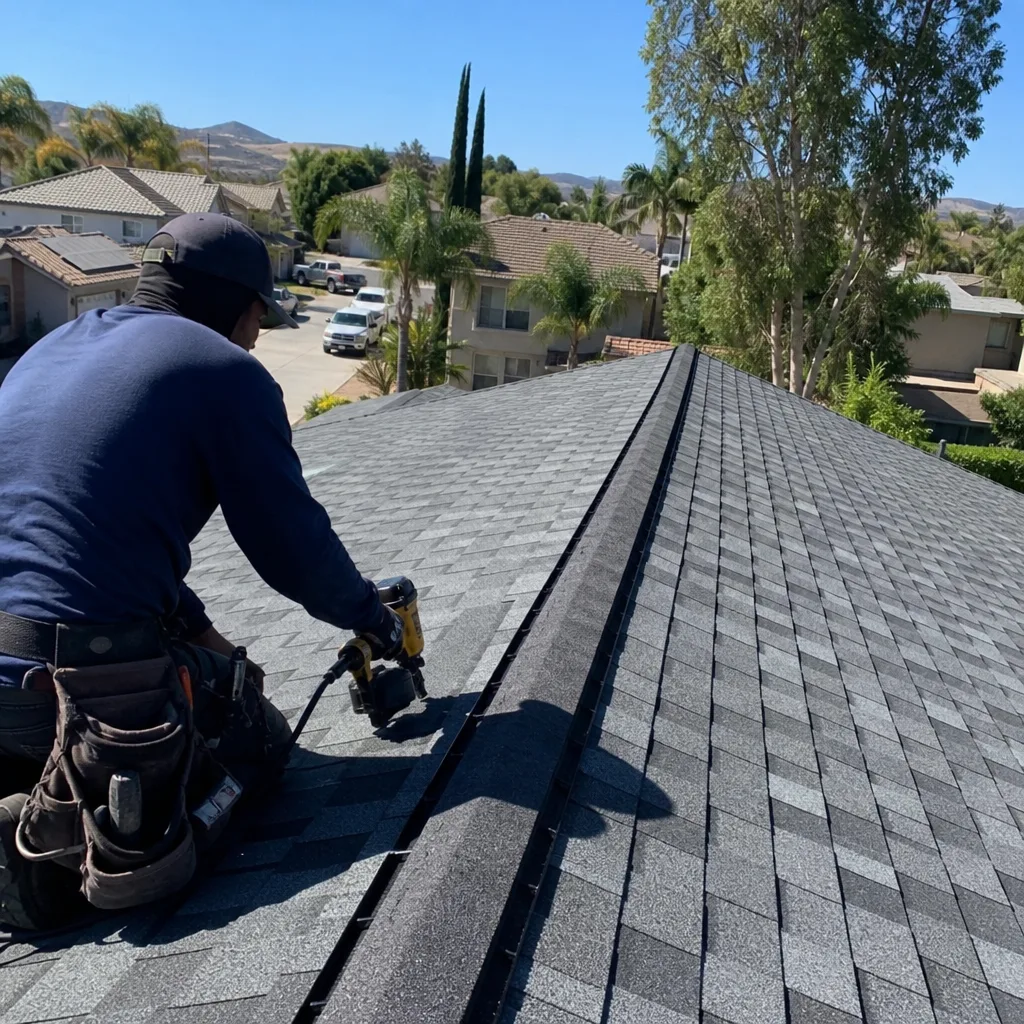
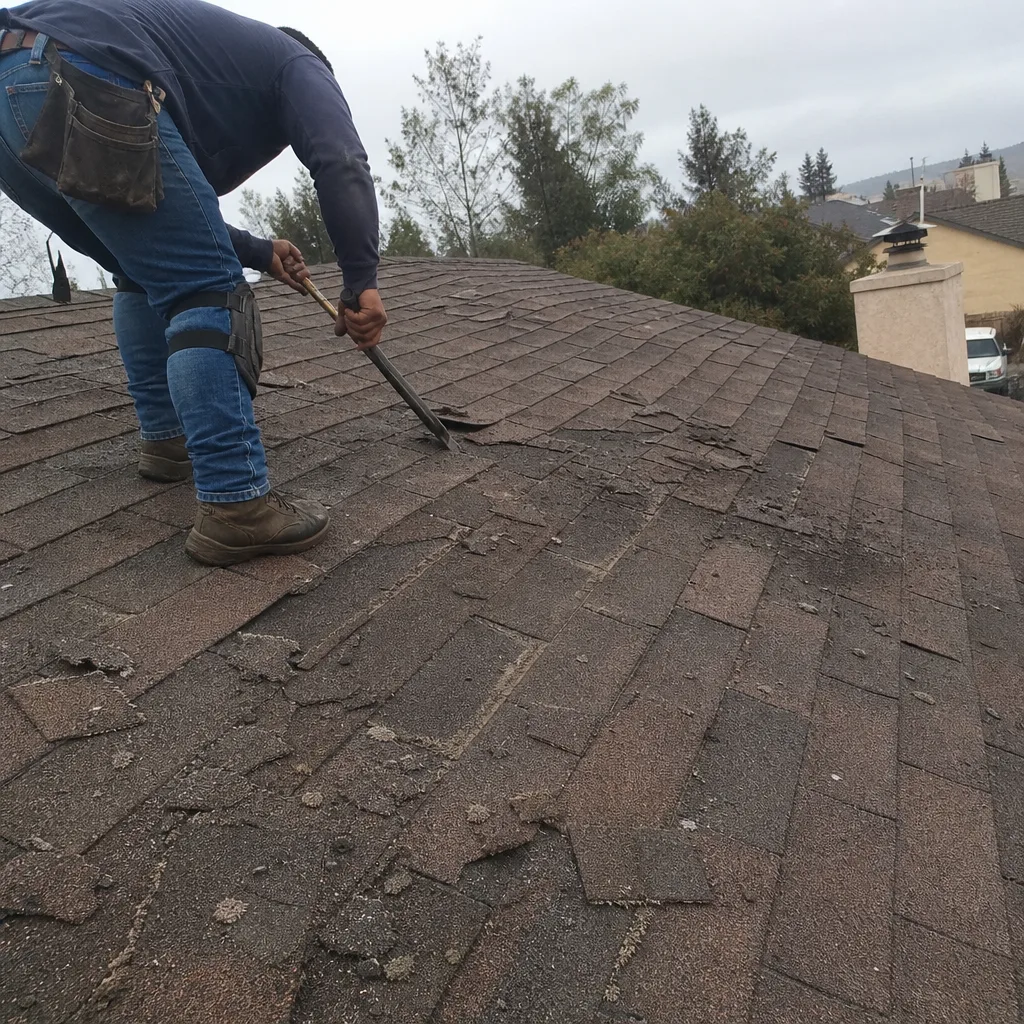
Asphalt shingle dominates Corona residential roofs because it performs well in the inland heat and fits most budgets. Expect $180 to $300 per square in material cost alone before labor. Within this tier, you’ll find distinct grades. Entry-level 3-tab shingles are thinner, lighter, and last 15 to 20 years under Corona’s UV load. Architectural shingles, sometimes called dimensional shingles, run $220 to $300 per square and last 25 to 30 years. Premium architectural lines from brands like Owens Corning and IKO push to $350 per square and add wind ratings up to 130 mph, relevant for Santa Ana wind season. Atlas and Tamko also produce solid architectural lines that compete well on warranty coverage at slightly lower price points.
Concrete Tile: The Corona Aesthetic
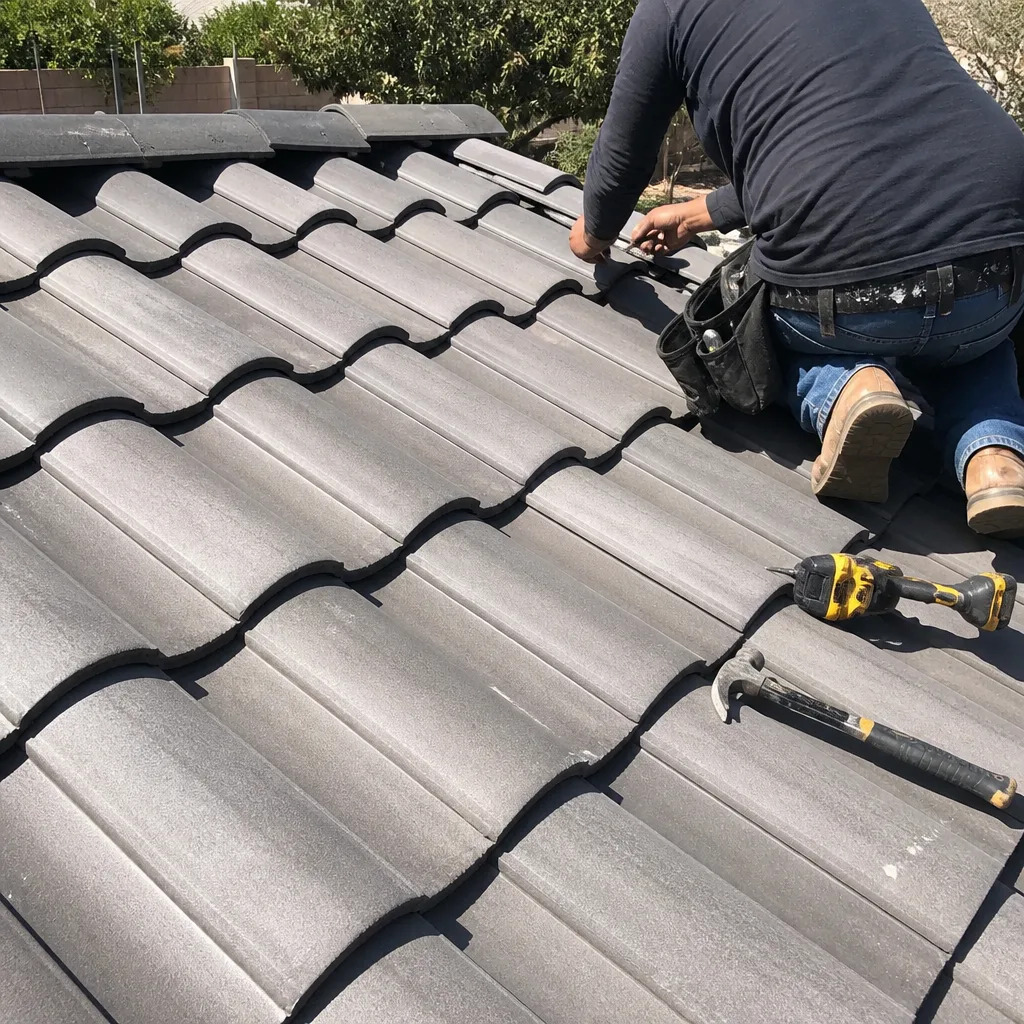
Concrete tile runs $450 to $650 per square in materials. Corona’s Spanish and Mediterranean-style homes often carry tile because it matches the architecture, and homeowners replacing a tile roof usually stay with tile to preserve curb appeal. Tile lasts 40 to 50 years in inland climates, but it’s heavy. A tile roof needs a strong deck and sometimes reinforcement, which adds cost before the first tile is set. Tile also does not forgive a poorly flashed valley or penetration, so labor quality matters more than material price here.
Standing Seam Metal: The Longevity Play
Standing seam metal runs $450 to $650 per square for materials. It’s not common in Corona’s tract-home neighborhoods, but it shows up on custom homes near Green River and on mid-century builds in Corona’s older sections. The payoff is longevity: 40 to 60 years with minimal maintenance. The cost is upfront, and installation requires a crew that knows metal specifically. Not every Corona roofing contractor has that bench; if you want metal, ask for completed metal projects, not just a line item.
Underlayment, Flashing, and Fasteners: The Stack That Matters
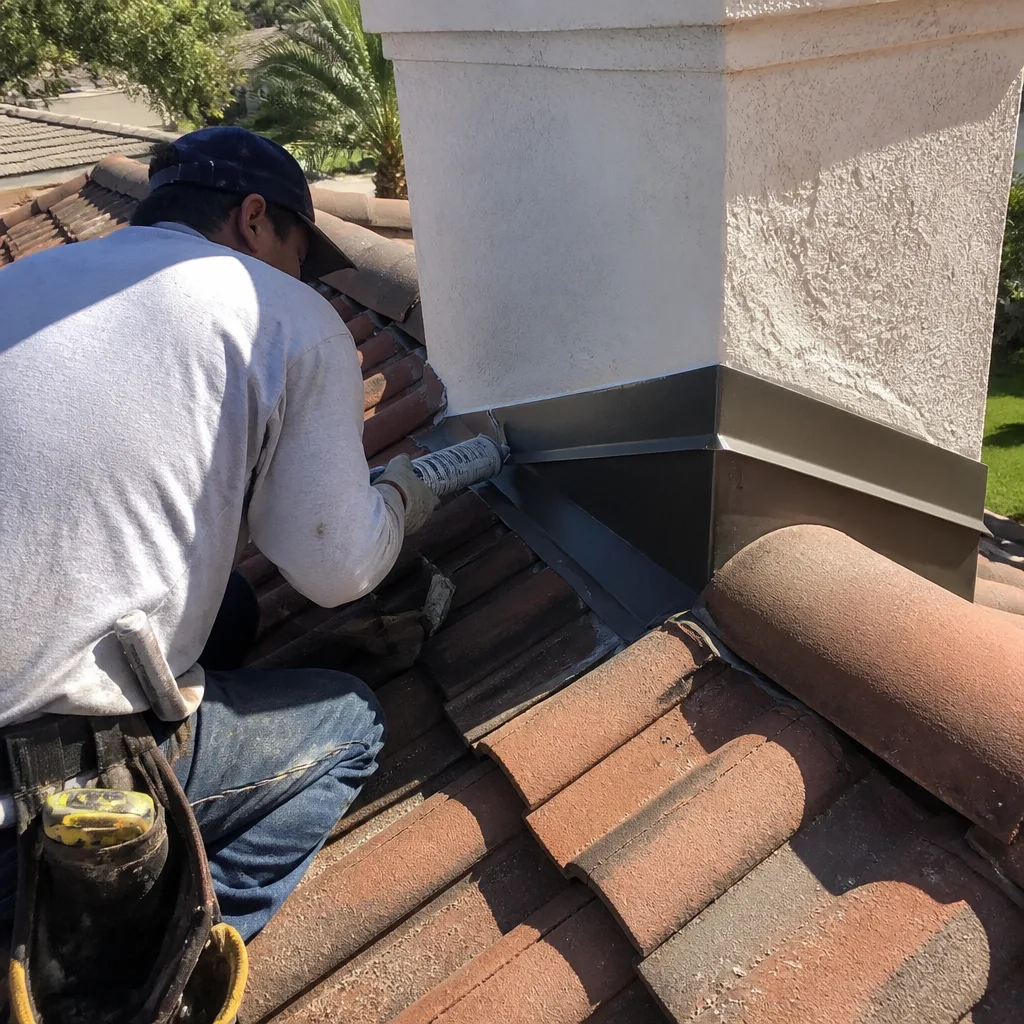
Underlayment runs $25 to $55 per square depending on whether you choose standard felt, synthetic, or self-adhered ice-and-water shield. Corona’s climate does not demand ice-and-water on most roofs, but synthetic underlayment is worth the small premium for tear resistance during installation. Flashing costs $400 to $1,200 depending on how many penetrations, chimneys, skylights, and wall intersections your roof has. Cheap flashing work is the leading cause of leaks we see in Corona homes with roofs under ten years old. If you’re comparing bids and one is $2,000 lower, check the flashing line first.
Read our Roof Replacement in Corona page for a deeper look at how we spec each layer of the stack and why material choice follows project need, not brand affiliation.
The Corona-Specific Cost Triggers
Corona has cost triggers that a national roofing guide won’t cover. These are the variables that move a bid by thousands of dollars before anyone picks up a hammer. Understanding them is the difference between a quote that holds and one that changes the Monday after tear-off, and our Roofing Emergency Preparedness Guide for Corona Homes can help you plan for the unexpected.
- Steep pitch premiums. Anything above a 6/12 pitch adds 8 to 15 percent in labor. Corona’s newer developments in the Eagle Glen and Dos Lagos areas include steep roof lines for architectural character. A 9/12 pitch means crews work slower, need extra safety equipment, and sometimes require a harness system. That cost is real, not contractor padding.
- Story add-ons. A two-story home in Corona costs 10 to 18 percent more in labor than a single-story with the same roof area. Ladders, lift equipment, and material staging all complicate a second-story job. If you’re comparing bids, check that each quote specifies the story count; some low bids quietly assume a single-story layout.
- Tile-to-shingle conversion. Converting a tile roof to asphalt shingle in Corona runs $300 to $500 per square above a standard shingle job. The tile must be removed carefully, hauled, and the deck inspected for damage and re-nailed to meet code for the new material. Some homeowners make this trade to cut weight and cost on an older home; just know it’s not a simple swap.
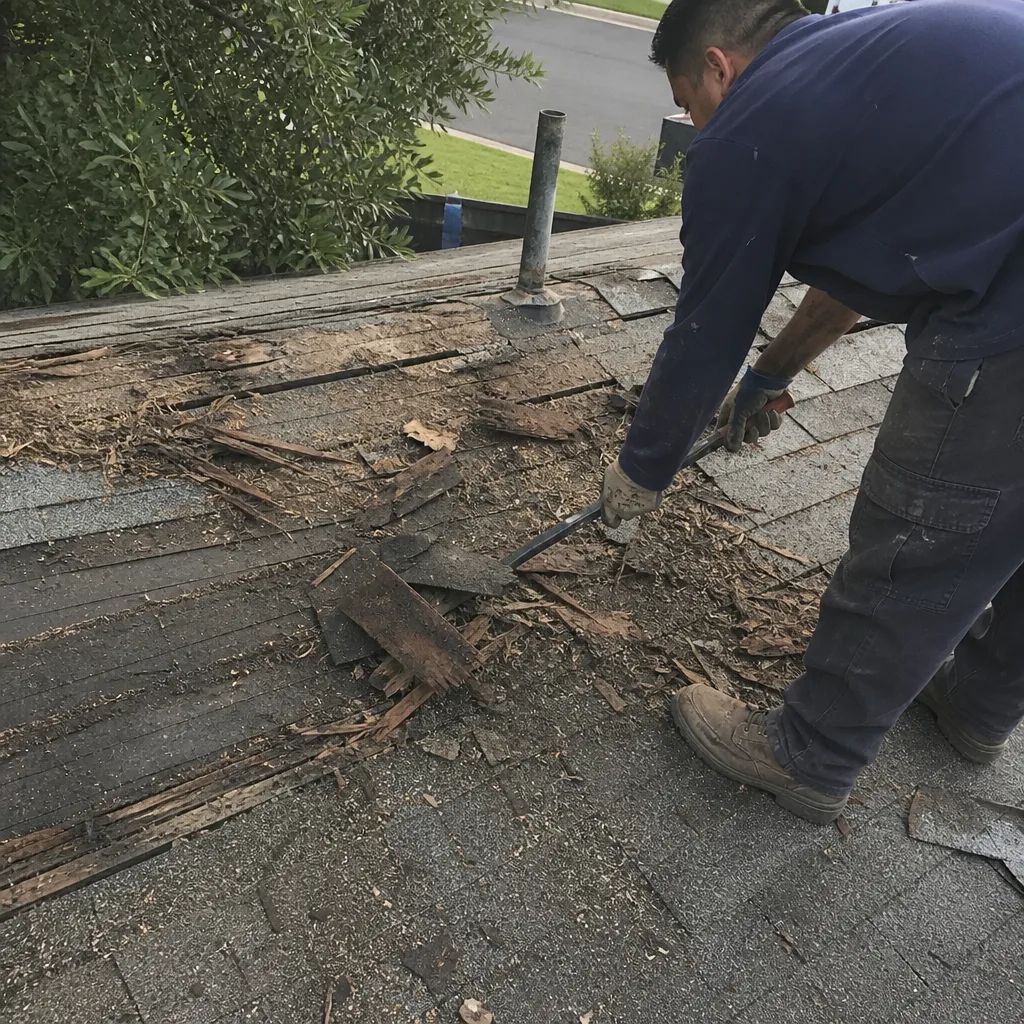
- Deck repair and replacement. Corona’s dry climate is kind to roofing material but brutal on plywood when water does find a way in. Dry rot around chimneys, skylights, and valleys is common. Replacing decking runs $65 to $90 per sheet installed, and a standard home might need 5 to 15 sheets once the shingles come off. An honest contractor will flag this as a likely line item before you sign; a less honest one will “discover” it after tear-off and bill it as a change order.
- Access obstructions. Tight side yards, retaining walls, and homes backed against hillside make material delivery harder. Corona has plenty of all three. These add $300 to $1,000 in staging and delivery costs that a flat-lot quote won’t reflect.
Labor: What’s Legitimate and What’s Margin
Labor is 50 to 60 percent of a Corona roofing invoice. That’s not surprising when you consider what a roofing crew actually does: strip the old roof, haul debris, prep the deck, install underlayment and shingles, flash every penetration, clean the site, and pass inspection. None of that is quick, and none of it should be cheap.
Some labor variables are legitimate differences between bids. Crew size and experience are the big ones. A five-person crew with fifteen years of tile and shingle experience will charge more than a three-person crew learning on your roof. The premium buys speed (a two-day job versus five), precision flashing work, and a lower chance of installation error. Roofing error is expensive; the cheapest labor bid can become the most expensive roof if valleys leak or flashing fails in year two.
Other labor costs are less legitimate. We’ve seen Corona bids where the “supervision” line item is 8 percent of the job, or where a “project manager fee” appears on a straightforward re-roof. Those are margin dressed up as labor. Here’s how to tell the difference on a line-item quote:
- Legitimate: tear-off labor, installation labor, flashing labor, safety equipment, dump fees, permit fees, material delivery.
- Questionable: separate “supervision” fees, “project management” on a single-trade job, administrative fees over 3 percent, fuel surcharges in a local market like Corona.
The fix is simple: ask for a line-item quote and ask what each line covers. A contractor who hesitates to break out labor and materials is protecting a margin, not a standard. We don’t charge separate supervision fees on any Corona job because installing the roof correctly is the service, not an add-on.
How to Read a Roofing Quote Line by Line
Most roofing quotes in Corona arrive as a single number with three or four bullet points. That’s not enough to make a $20,000 decision. A quote you can evaluate has at least ten lines. Here’s what a legitimate, complete Corona roofing quote includes, and what each line should tell you.
- Tear-off and disposal. Lists the layers being removed (one, two, or three), the dump fees, and the haul schedule. Corona requires proper disposal; a quote that’s suspiciously low often skips dump fees.
- Deck inspection and replacement allowance. The honest way to handle the unknown. A $500 to $1,500 allowance with a per-sheet price is reasonable. A quote with no mention of decking is a red flag.
- Underlayment. Specifies the product, brand, and coverage area. If it just says “felt,” ask which grade. If it says “synthetic,” the quote should name it.
- Shingle or tile material. Names the exact product line, not just “architectural shingle.” A specific line means you can verify the warranty and price independently.
- Flashing. Should specify new flashing at all penetrations, valleys, and wall intersections, with the gauge and material. This is where cheap bids hide.
- Ventilation. Lists the intake and exhaust ventilation being installed or confirmed adequate. Corona attics hit 140 degrees in August; skimping here shortens shingle life.
- Permits and inspections. Should include city of Corona permit fees and the inspection schedule. A quote without permits is a quote from someone who doesn’t intend to pull them.
- Warranty registration. Some bids include manufacturer warranty registration as a service. It’s a small line but worth having; unregistered warranties often fail when you need them.
- Site protection and cleanup. Covers tarps, magnetic nail sweep, and final haul. A good cleanup line is $300 to $600 and worth every dollar when your kids play in the yard.
- Total with tax. Corona’s sales tax applies to materials, not labor. A complete quote breaks this out.
When we quote a roof in Corona, we walk the homeowner through every one of these lines. Not because they ask, but because a quote you can’t audit is a quote you can’t trust. Our Roof Inspection in Corona page explains how we start with a detailed inspection, so the estimate we give matches the roof you actually have.
Evaluating a Low Bid: The Three Line Items That Get Cut First
When a Corona contractor needs to win on price, they don’t cut their margin. They cut your roof. Here are the three line items that disappear first in a low bid, and what each cut costs you over the life of the roof.
1. Flashing. The cheapest place to save on a re-roof is flashing. Reusing old flashing or skipping replacement at valleys and wall intersections saves $800 to $1,500 on the bid and creates leak points within five years. Corona’s winter rains may be brief, but they’re intense enough to find a weak flashing transition. We inspect roofs in Corona that are under eight years old with new shingles and failed flashing; the homeowner paid for a roof and got a scheduled leak.
2. Underlayment grade. A low bid often specs the cheapest felt underlayment instead of a synthetic. The savings is $15 to $20 per square, about $300 to $500 on the full job. The cost is a layer that tears during installation, wicks moisture at edges, and degrades faster under Corona’s heat. Synthetic underlayment costs slightly more and performs dramatically better for a roof that’s expected to last 25 years.
3. Deck replacement allowance. The lowest bids simply omit any mention of decking. When tear-off reveals rot under the old shingles, the change order arrives, and the homeowner either pays it or signs a waiver and gets shingles nailed to rotted plywood. The honest approach is an upfront allowance with a clear per-sheet price. Our quotes always include it because we’d rather be slightly higher on estimate day than significantly higher on day two of the project.
If a bid comes in 20 percent or more below the next closest quote, ask those three questions: Will you replace all flashing? What underlayment are you using? What happens if the deck is rotted? The answers tell you whether the low bid is competitive or dangerous.
Financing and Insurance Claims: Handling Split Projects
A surprising number of Corona roofing projects are partially insurance-covered and partially out-of-pocket. Maybe a storm ripped off a section of roof, and the insurance adjuster approved replacement for the damaged slope only. Or a homeowner wants to upgrade from 3-tab to architectural shingle while the insurance check covers the base material. These split projects are manageable if you understand how the numbers work.
What you should know is this: insurance payouts are based on the damaged area, the depreciated value of the existing roof, and the carrier’s standard material pricing. They pay what they pay. If you want a material upgrade or need extra decking replaced that isn’t covered, that cost is yours. A contractor experienced with Corona insurance claims can help you submit a supplement when the adjuster missed something, but no legitimate contractor can guarantee a specific claim outcome.
Financing covers the gap. Most major roofing material manufacturers offer financing programs through their contractor networks, and some include deferred-interest options for qualified buyers. A $22,000 roof with an $11,000 insurance payout leaves $11,000 to finance; at typical rates that’s under $250 a month on a 60-month term. The key is separating the claim portion from the out-of-pocket portion on paper so there’s no confusion about what’s covered, what’s financed, and what’s paid in cash.
We’ve helped Corona homeowners navigate this split many times. The cleanest process is a detailed inspection, a clear scope of work, and an estimate that breaks out the insurance-covered portion from the homeowner portion. It keeps everyone honest and the claim moving. Our Roof Repair in Corona page covers how smaller storm-damage repairs get scoped and quoted when a full replacement isn’t warranted.
Common Mistakes to Avoid
- Accepting a bid without a decking line item. Any Corona roof over 15 years old has some chance of deck damage. A quote that doesn’t address it will bill you for it later, at change-order prices, when you have no leverage to negotiate.
- Choosing shingles by price per square alone. A $220-per-square shingle that fails at 18 years under Corona’s UV load costs more per year than a $300-per-square shingle that lasts 30. Annual cost, not upfront cost, is the number that matters.
- Skipping the permit because the contractor says it’s optional. Corona requires permits for re-roofs. An unpermitted roof complicates a future home sale and may not meet current code for underlayment or fastening. The permit fee is a small price for an inspected job.
- Matching a tile patch instead of inspecting the whole roof. A missing tile after a wind event often means the underlayment beneath was already compromised. Patching the tile and skipping the inspection pushes the real repair down the road at higher cost.
- Ignoring ventilation in the quote. Corona’s summer attic temperatures cook shingles from below, shortening their life. A quote that doesn’t address ventilation is a quote for a roof that will underperform its warranty.
- Comparing bids without normalizing scope. A $17,000 bid with new flashing, synthetic underlayment, and a deck allowance is a better deal than a $15,000 bid with reused flashing, felt, and no deck line. Compare line items, not totals.
- Assuming the highest bid is best. High price does not guarantee high quality. It can also mean the contractor is overbooked and pricing jobs to see what sticks. Ask for the same line-item detail from every bidder and let the numbers talk.
When to Call a Professional
Some roof problems announce themselves with a drip on the kitchen counter; others sit quietly in the attic until the deck rots. You should call a roofing professional in Corona when you see water stains on ceilings or walls, shingles in the yard after a Santa Ana wind event, visible sagging in the roofline, granule accumulation in gutters, or when your roof passes 20 years without an inspection. Attic inspection is not a DIY job; walking on a questionable Corona roof without proper training can cause damage to the roof and serious injury to you. A professional inspection costs less than a single plywood sheet replacement and can catch deck rot, failed flashing, or ventilation problems before they become structural. Orange County Roofing Co offers free estimates in Corona, call (866) 942-4187 to schedule one.
Frequently Asked Questions
A full roof replacement in Corona costs $14,000 to $26,000 for most residential homes in 2026, with per-square pricing of $420 to $700 for architectural asphalt and $800 to $1,100 for concrete tile. The exact number depends on roof size, pitch, material tier, and deck condition. Call (866) 942-4187 for a detailed, line-item estimate on your specific roof.
It should not, if the quote included a deck replacement allowance and the contractor walked the roof before estimating. Price changes after tear-off happen when the original quote omitted decking or the contractor underbid deliberately. Ask for a per-sheet deck price in writing before signing.
Most asphalt shingle replacements in Corona take 2 to 4 working days for a standard single-story home, while tile replacements run 5 to 8 days. Weather, scope changes, and city inspection scheduling can extend that by a day or two. Your contractor should give you a schedule in the quote and stick to it.
Yes, the city of Corona requires a permit for roof replacement, and the contractor should pull it and schedule all required inspections—see our Roofing Permits, Codes & Inspections in CA: What You Need to Know for full details. A legitimate quote includes permit fees as a line item. Not pulling a permit is a signal the contractor is cutting corners elsewhere too.
Yes, in many cases Corona homeowners can have the tile removed, the underlayment replaced, and the original tile reinstalled. This saves material cost but adds labor for careful tile removal and reinstallation. The economics work best when the tile is still in good shape and the roof structure is sound; an inspection will confirm whether the existing tile is worth reinstalling.
Several roofing material manufacturers offer financing programs through their contractor networks, with terms up to 60 or 72 months depending on credit. Homeowners with a partial insurance claim can finance the out-of-pocket portion separately from the claim amount. Ask your contractor what manufacturer financing they can access, and get the terms in writing before committing.
The Bottom Line
Roofing quotes in Corona vary by 40 percent or more for the same visible scope because the real differences hide in the details: flashing, underlayment, deck repair, ventilation, and permit compliance. A cheap roof is not one that costs less upfront; it’s one that fails early, leaks often, and costs more per year than the premium option would have. The framework in this guide gives you what you need to request a line-item quote, evaluate what each line covers, and choose the roof that fits your home and budget. For more guides & resources on protecting your home, explore our blog, or if you’re ready for an honest, detailed estimate on your Corona roof, call (866) 942-4187. The estimate is free, and you’ll know exactly what you’re paying for before you sign anything.
Written by the team at Orange County Roofing Co, serving Corona since 2015.
See the difference
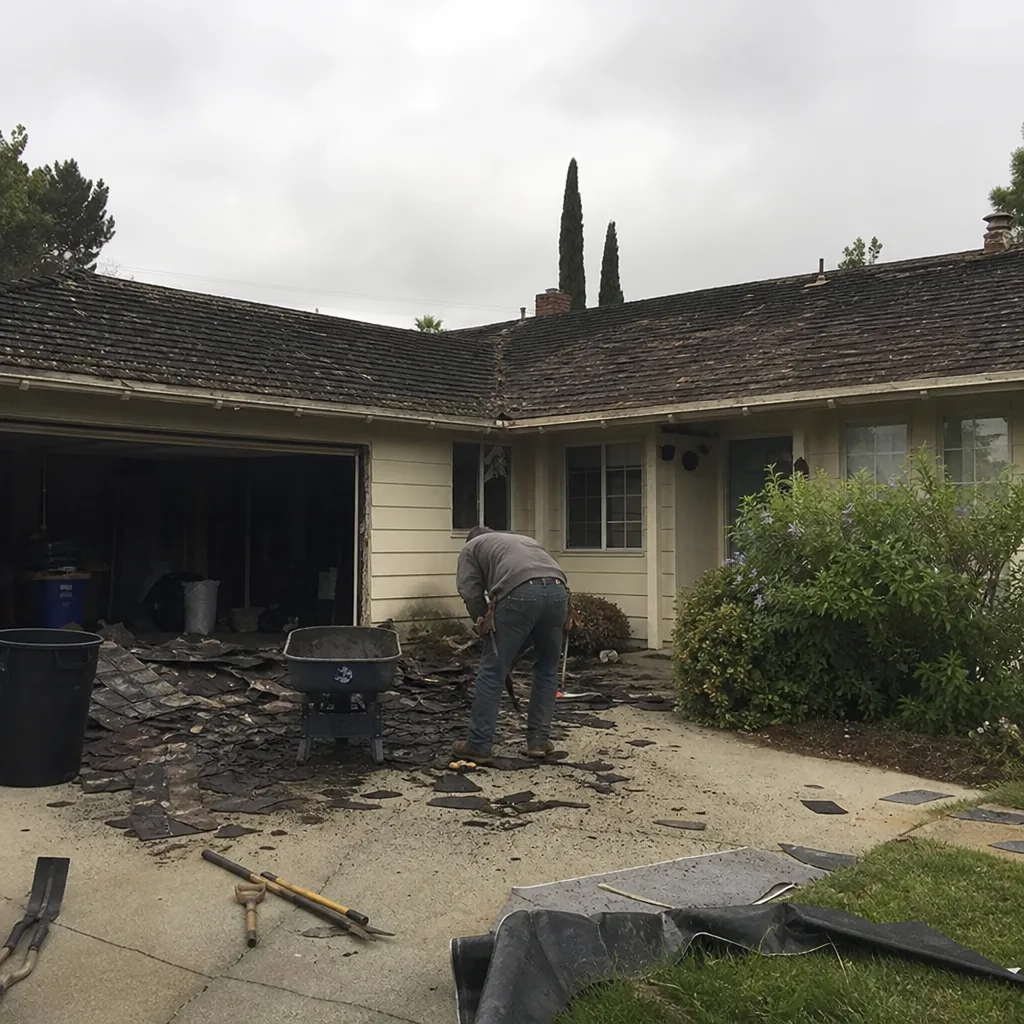 Before
 After
 Before
 After
 Before
 After